Paleontology: When Dinosaurs Took Flight (Sort Of)
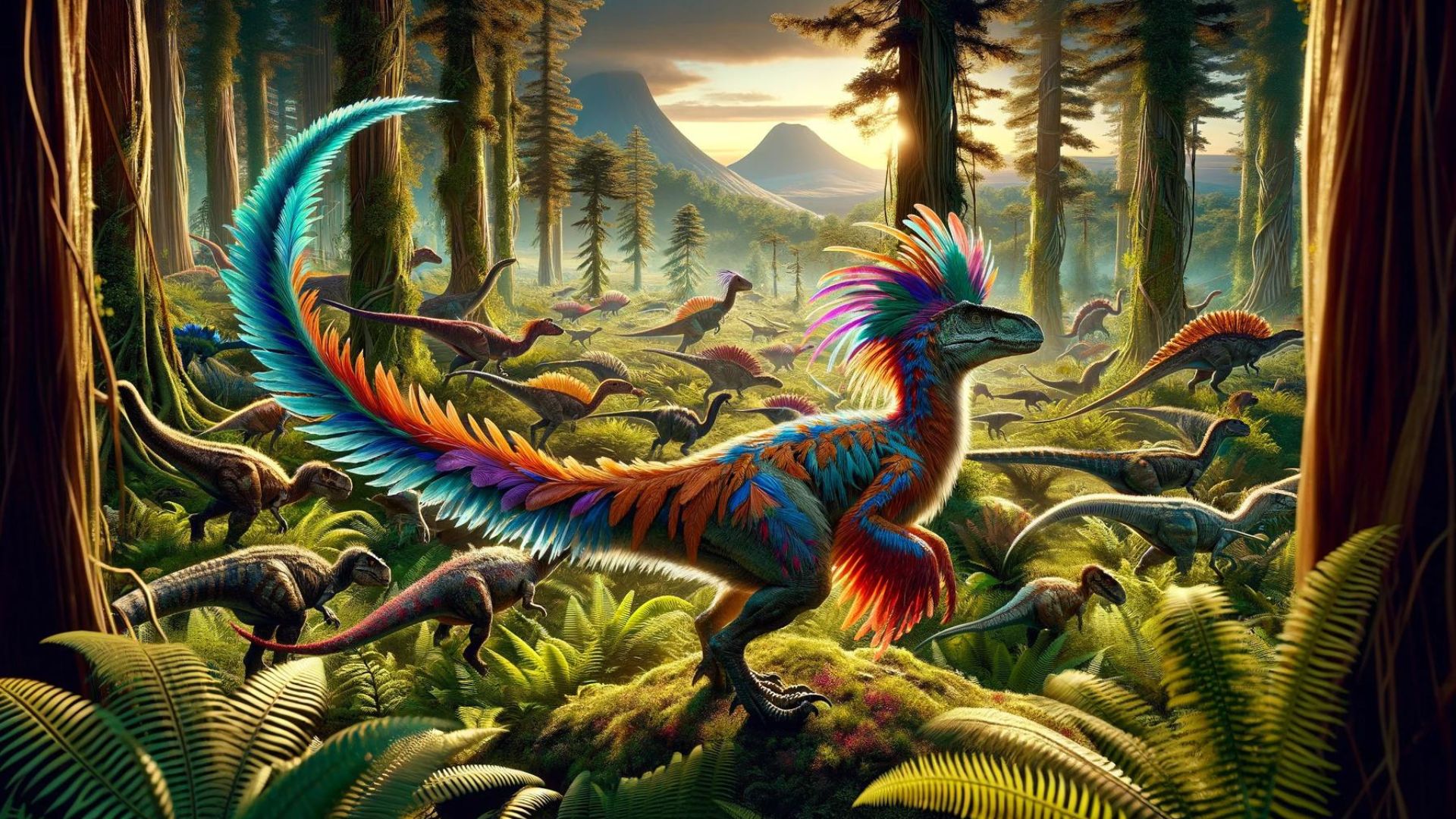
For decades, our image of dinosaurs was dominated by visions of scaly, reptilian creatures. However, incredible fossil discoveries have shattered this perception, revealing that many dinosaurs were, in fact, feathered! This revelation transformed our understanding of the link between dinosaurs and modern birds.
The Evidence is in the Feathers
It's not just speculation – paleontologists have unearthed numerous dinosaur fossils with clear evidence of feathers:
- Preserved Imprints: Fossils showing detailed feather outlines, similar to those of modern birds.
- Quill Knobs: Bumps on dinosaur bones corresponding to feather attachment points in living birds.
- Dinosaur "Fuzz": Simple, hair-like proto-feathers found on some species, likely for insulation.
Why Did Dinosaurs Have Feathers?
Feathers likely served various functions for dinosaurs, just as they do for birds today:
- Warmth: Feathers offered insulation, crucial for smaller dinosaurs in colder climates.
- Display: Brightly colored or patterned feathers may have attracted mates or intimidated rivals.
- Flight…Maybe: While some feathered dinosaurs couldn't fly, their feathers could have assisted with gliding, running, or balance.
- The Bird Connection: Feathered dinosaurs reinforce the evolutionary link between ancient theropods (meat-eating dinosaurs) and modern birds.
Famous Feathered Friends
Some stars of the feathered dinosaur world include:
- Velociraptor: Yes, the Jurassic Park raptor likely sported feathers, making it even more intimidating.
- Microraptor: This small dinosaur had four wings – two on its arms and two on its legs!
- Yutyrannus: A relative of T-rex, this large predator was covered in a downy coat of feathers.
The Science Continues
The discovery of feathered dinosaurs revolutionized paleontology. As researchers unearth more fossils, we continue to learn about the incredible diversity of dinosaurs and their close ties to our feathered friends in the sky.
Did You Know?
- Not every dinosaur had feathers. It depended on the species and their evolutionary needs.
- Some feathered dinosaurs may have even changed their plumage colors seasonally!
In Conclusion
Feathered dinosaurs remind us that nature is full of surprises! These discoveries highlight the importance of ongoing research and challenge our assumptions about the prehistoric world. The next time you see a bird, remember – it might share a surprisingly close heritage with those scaly giants of the past.









0 Comments