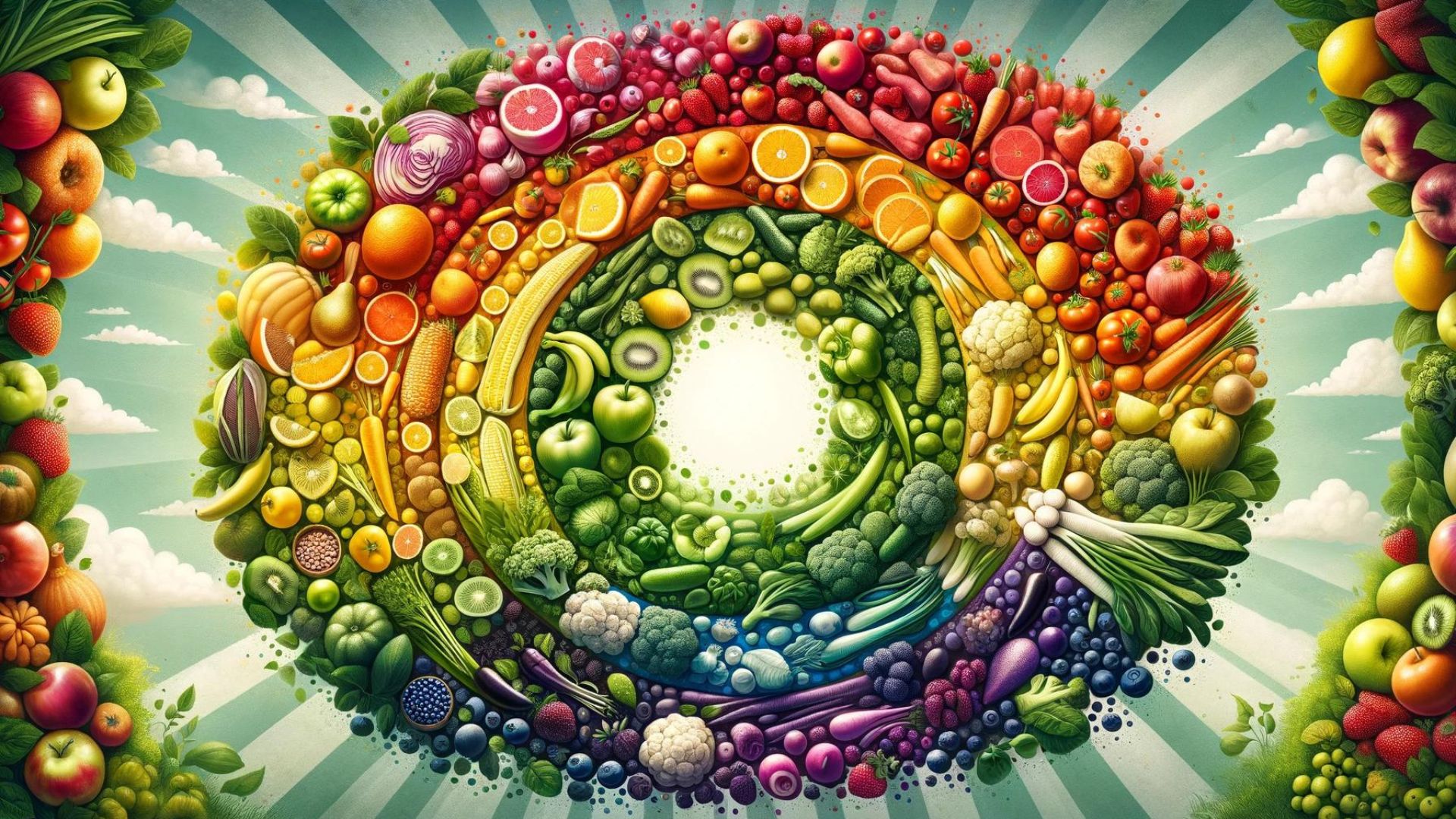
What Does 'Eating the Rainbow' Mean for Your Health?
Forget restrictive fad diets – the key to good health might be as simple as aiming for a vibrant array of fruits and vegetables on your plate every day. But why the focus on colors?
It's all about phytonutrients!
- Not Just Vitamins: Sure, fruits and veggies are packed with vitamins and minerals, but they offer so much more!
- Phyto-Power: Phytonutrients are natural plant compounds. They act like antioxidants and help protect our bodies against diseases.
- Color is Key: Different colored fruits and vegetables contain different phytonutrients. Each color offers unique benefits!
The Benefits of the Rainbow
Let's take a colorful tour of the amazing things phytonutrients do for your body:
- Red: Think tomatoes and strawberries These often contain lycopene, which supports heart health and may reduce the risk of certain cancers.
- Orange & Yellow: Hello, carrots and citrus! Many are rich in beta-carotene, boosting your immune system and promoting healthy eyes and skin.
- Green: Leafy greens, broccoli, you know the drill! Loaded with nutrients that support detoxification and might protect against cell damage.
- Blue & Purple: Think blueberries, grapes Powerhouses with antioxidants that help keep your mind sharp and may improve heart health.
- White: Garlic, onions, etc. Might sound boring, but offer benefits for blood pressure regulation and immunity.
Eating the Rainbow Made Easy
"But," you might think, "I do NOT like kale!" Don't panic – you don't have to become a health food fanatic. Here's how to make it delicious:
- Start Small: Add a handful of berries to your oatmeal, toss some bell peppers into your stir-fry, even a side salad counts!
- Experiment: Roast veggies to bring out their sweetness, blend a colorful smoothie, try a new veggie recipe each week.
- All Forms Count: Fresh, frozen, canned (low sodium) – they all offer benefits. Find what works for your lifestyle.
Action Time!
This week, challenge yourself to think in terms of color:
- Make a rainbow chart: Track what colors you eat each day. Notice where you're lacking, and aim for improvement.
- One new thing: Commit to trying one new vibrantly colored fruit or veggie you've never had before. You might be surprised!
Remember, vibrant colors are nature's way of saying "this is good for you"! Embrace the rainbow, eat with your eyes, and enjoy the delicious journey towards boosted health and wellbeing.
Why Should You Care?
- Health is empowering: Understanding how food impacts your body empowers you to make the choices that help you feel your best, physically and mentally.
- Ditch the diet mentality: "Eating the rainbow" emphasizes adding in goodness, not restriction. It's a sustainable and enjoyable approach to healthy eating.
- Preventive power: Good nutrition isn't just about how you look; it's about reducing your risk of chronic disease and living a long, vibrant life.
Key Takeaways
- Focus on color diversity: Aiming for a variety of colorful fruits and vegetables every day ensures you're getting a broad spectrum of powerful nutrients.
- Phytonutrients: the unsung heroes: It's not just about vitamins and minerals; the unique plant compounds in colorful produce offer a host of health benefits.
- Delicious, not difficult: "Eating the rainbow" can be simple and enjoyable. Start with small changes and explore new foods gradually.
- Health in every color: Each color group offers unique perks - red for heart health, green for detox, blue for brainpower, and so on!
Keywords
- Eating the rainbow: A phrase emphasizing consuming a variety of colorful fruits and vegetables to maximize nutrient intake.
- Phytonutrients: Natural plant compounds (think pigments, antioxidants) that offer health benefits beyond basic vitamins and minerals.
- Antioxidants: Substances that protect cells against damage from free radicals (unstable molecules linked to disease).
- Lycopene: A red-colored phytonutrient found in tomatoes and other foods, linked to heart health and reduced cancer risk.
- Beta-carotene: A yellow-orange pigment in produce, our bodies convert it to vitamin A for eye health, immunity, and more.
- Leafy greens: Nutrition powerhouses like spinach, kale, loaded with vitamins, minerals, and phytonutrients supporting various bodily functions.
- Detoxification: The body's natural processes of eliminating toxins. Certain foods (like leafy greens) may support these processes.
- Mindfulness: Focusing on the colors of your food helps you eat more consciously and appreciate the variety that nature offers.
- Fresh, frozen, canned: All forms of fruits and vegetables can be nutritious choices - choose those that fit your budget and lifestyle.
- Sustainable healthy eating: Prioritizing colorful produce is an enjoyable way to improve your diet, without rigid dieting or deprivation.
Frequently Asked Questions
- Do supplements replace the need for colorful food? No! Whole foods offer a complex mix of nutrients that work synergistically, not as easily replicated in pills.
- What about fruits high in sugar? Fruits offer fiber and nutrients, so they're okay in moderation. If concerned, prioritize berries and lower-sugar choices.
- I'm a picky eater; where do I start? Start small! Blend spinach into a smoothie, add peppers to pizza, try one new veggie a week.
Myth Buster
- Myth: "Eating the rainbow" is only for vegetarians/vegans. Reality: Everyone benefits from more color on their plate, whether you eat meat or not.
Let's Talk
- Do you track the colors in your diet? If so, what methods work for you?
- What's the most surprising and delicious colorful food you've tried recently?
- How can we encourage kids to eat more colorfully?
Let's keep the conversation flowing! Share your opinions in the comments below.









0 Comments