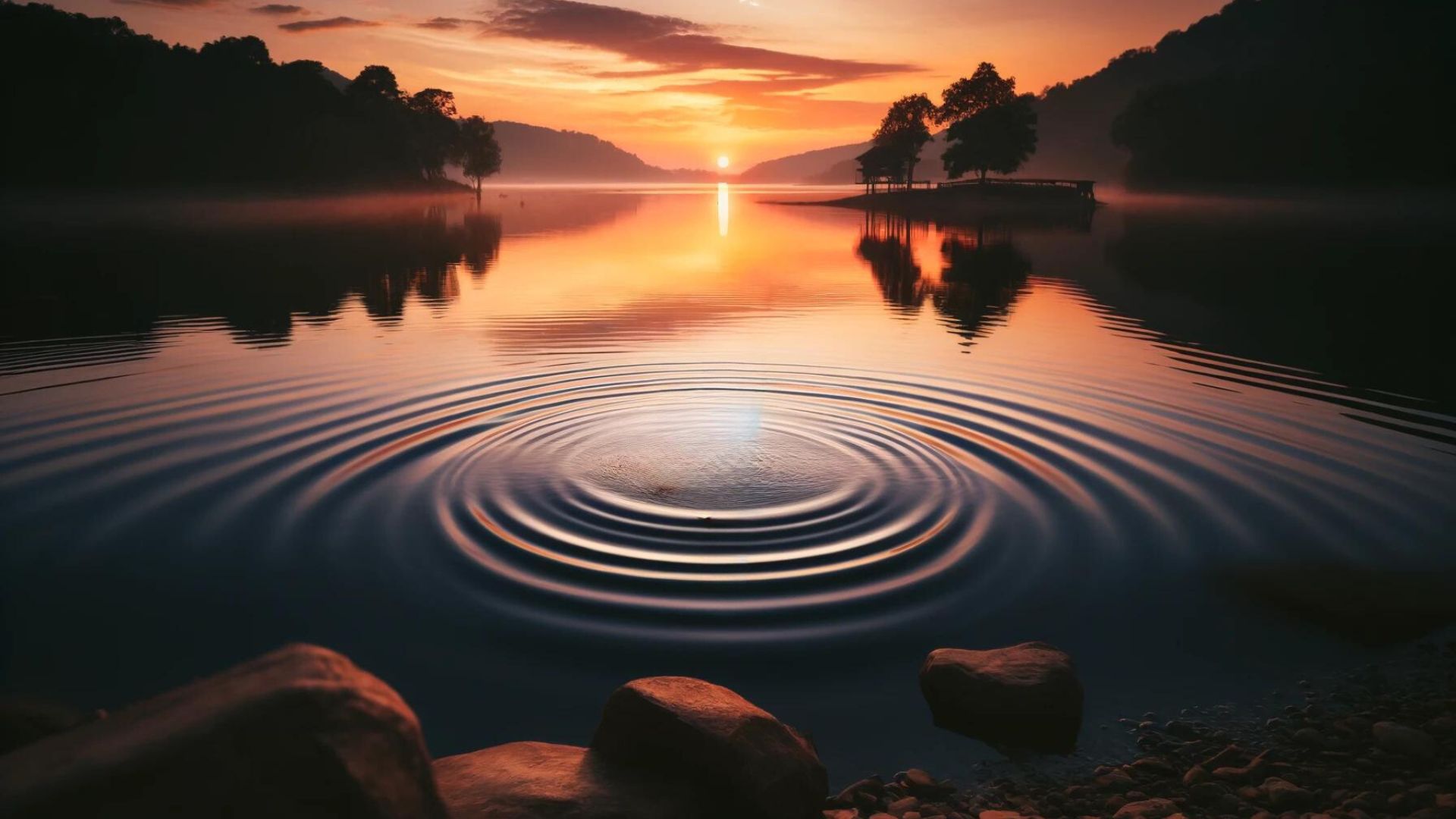
Mother Teresa's quote, "I alone cannot change the world, but I can cast a stone across the waters to create many ripples," embodies the essence of individual impact and collective change. This powerful statement encourages us to recognize the value of our actions, no matter how small they may seem. In this article, we'll explore the meaning and significance of this quote, discuss its practical applications, and examine when it is appropriate or inappropriate to use, all through engaging examples and insights.
Meaning and Significance
Mother Teresa's quote highlights the idea that while one person may not be able to change the entire world alone, their actions can inspire and influence others, creating a ripple effect of positive change. This perspective emphasizes the importance of individual contributions and the potential for these contributions to lead to significant, collective impact over time.
When to Use the Quote
Encouraging Individual Effort
The quote is particularly appropriate when encouraging individuals to take action, no matter how small, and to understand the potential impact of their efforts. It serves as a reminder that every positive action counts.
Example: "Volunteering at your local shelter might seem like a small act, but remember Mother Teresa's words: 'I alone cannot change the world, but I can cast a stone across the waters to create many ripples.' Your kindness can inspire others to join the cause."
Motivating Collective Action
In contexts where collective action is needed, the quote can be used to inspire groups to understand the power of their combined efforts. It underscores the idea that individual contributions, when added together, can lead to substantial change.
Example: "As we launch this community clean-up project, let's keep in mind Mother Teresa's wisdom. Each of us can cast a stone across the waters, and together, we can create ripples that make a real difference in our environment."
Highlighting the Importance of Small Actions
When discussing the significance of small, everyday actions, the quote is a powerful reminder that even the simplest acts of kindness or generosity can have far-reaching effects.
Example: "Donating a few dollars to a charity might seem insignificant, but as Mother Teresa said, 'I alone cannot change the world, but I can cast a stone across the waters to create many ripples.' Your contribution can inspire others and make a larger impact."
When Not to Use the Quote
Minimizing the Need for Larger Systemic Change
The quote may be less appropriate in discussions that require addressing large-scale systemic issues. While individual actions are important, they may not be sufficient to tackle deep-rooted problems that require comprehensive, collective solutions.
Example: "In advocating for policy change on climate action, relying solely on individual efforts might not be enough. While casting stones can create ripples, we also need large-scale systemic changes to address the crisis effectively."
In Situations Requiring Immediate and Significant Action
When immediate and significant action is needed, using the quote might underplay the urgency and scale of the required response. In such cases, it is essential to focus on mobilizing extensive resources and efforts quickly.
Example: "In the face of a natural disaster, emphasizing small individual actions might not capture the urgency of the situation. Coordinated and large-scale relief efforts are crucial to effectively address the immediate needs of affected communities."
Balancing Individual and Collective Impact
The key to effectively using Mother Teresa's quote lies in understanding the balance between individual actions and collective impact. While individual efforts are crucial, recognizing when and how they can be combined to address larger challenges is equally important. This balanced approach allows for meaningful contributions at both personal and systemic levels.
Example: "Promoting sustainability requires both individual actions, like reducing plastic use, and collective initiatives, such as advocating for corporate responsibility. As Mother Teresa's quote suggests, our individual ripples can join together to create waves of change."
Mother Teresa's quote, "I alone cannot change the world, but I can cast a stone across the waters to create many ripples," offers profound wisdom on the power of individual actions and their potential to inspire broader change. By understanding when to use this quote, we can appreciate the significance of our contributions while recognizing the need for collective efforts to tackle larger issues. Embracing this balance can lead to a more impactful and fulfilling approach to creating positive change in the world.
By casting our stones and creating ripples, we contribute to a greater tide of transformation, one small act at a time.






0 Comments