Article Audio
The Villain’s Spotlight: Why Your Antagonist Matters
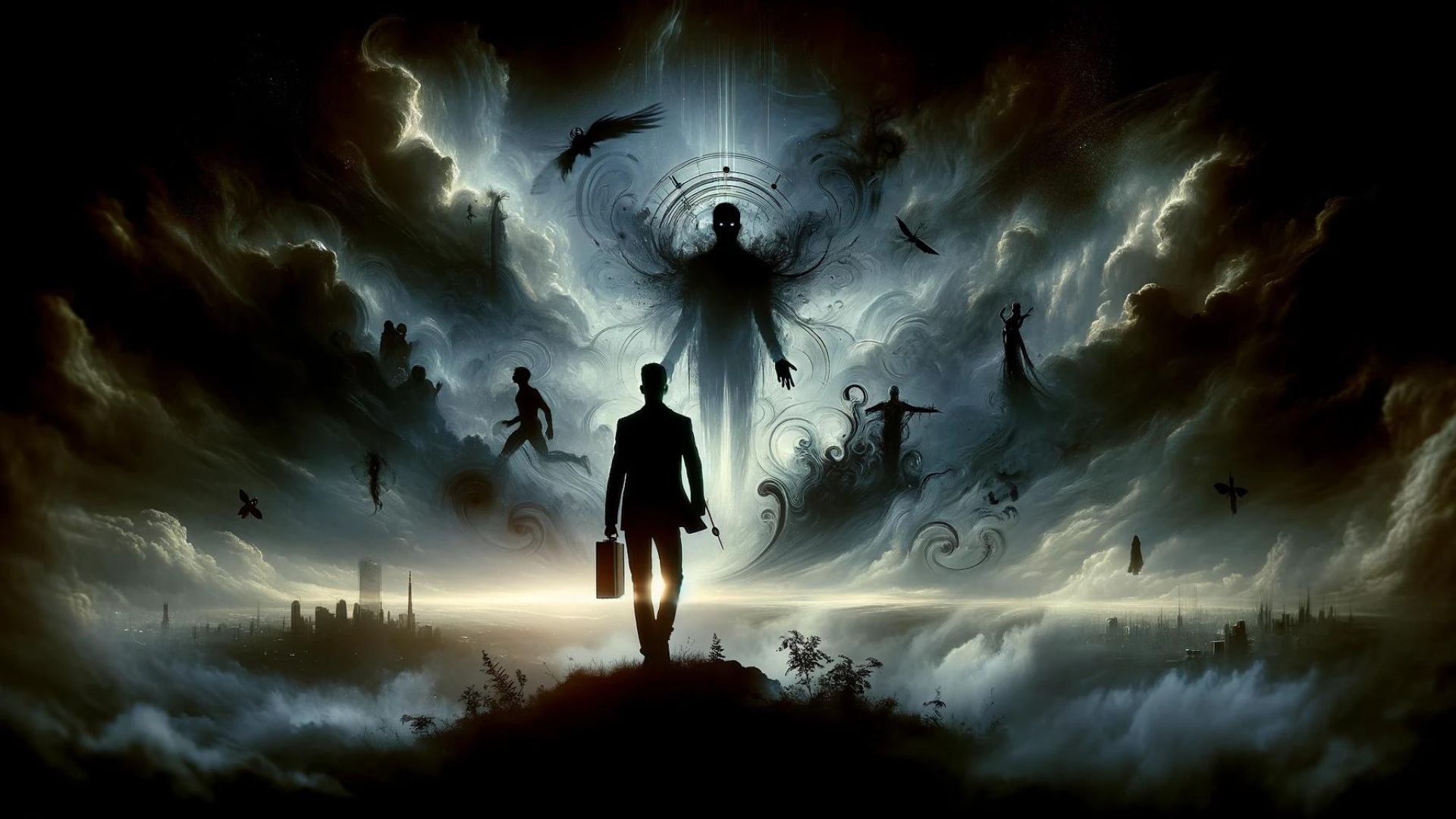
Think of your favorite stories. Chances are, a great villain lurks in the shadows, making the hero’s journey even more thrilling. A well-crafted villain isn’t just a mustache-twirling embodiment of pure evil; they’re a force of opposition that tests the hero, raises the stakes, and keeps the reader hooked.
Let’s explore why your villain deserves just as much attention as your protagonist and how to shape them into unforgettable characters.
The Villain’s Purpose
- The Obstacle: A great villain presents a formidable challenge the hero must overcome. Their actions propel the plot and create the tension that keeps readers on the edge of their seats.
- Theme Embodiment: Your villain can represent the story’s core themes or the antithesis of what the hero stands for. Think about an environmental activist battling a greedy industrialist – the villain symbolizes the destructive impact on nature.
- Foil to the Hero: A villain’s actions and beliefs often highlight the hero’s positive qualities by contrast. Facing a ruthless dictator makes the hero’s kindness and compassion shine even brighter.
Shades of Grey: Beyond Pure Evil
The most compelling villains are more than cardboard cutouts. Give them:
- Believable Motivations: Rarely does a villain wake up and choose evil for breakfast. They might have warped logic, a tragic past that twisted them, or an unwavering belief in their cause, however misguided it is.
- Strengths and Weaknesses: A flawless villain becomes predictable and boring. Give them vulnerabilities, whether it’s arrogance, shortsightedness, or a hidden soft spot. This makes them more relatable, paradoxically.
- A Touch of Humanity: Even the worst of villains can have flashes of complexity—a moment of regret, a longing for connection, or love for a pet. These glimpses add depth and make them eerily fascinating.
The Villain in Your Story: Get Writing!
Ready to breathe life into your antagonist? Try these exercises:
- The Opposing Agenda: Define exactly what your villain wants in direct conflict with your hero’s goals. This is the fuel for the story’s central conflict.
- Mirror, Mirror: List some traits your hero possesses. Can you twist some of these to create your villain’s personality? A compassionate hero might face a ruthless villain who believes compassion is a weakness.
- The Villain’s Voice: Write a short monologue from your villain’s perspective. How do they justify their actions? What drives them?
Remember: A great story needs conflict, and a compelling villain is at the heart of it. Don’t shortchange your antagonist – their ambition, ruthlessness, or tragic flaw can elevate your writing and leave readers captivated.
Why Should You Care?
- Stronger Stories: Well-developed villains create conflict, raise the stakes, and elevate a story from ‘good’ to ‘unforgettable.’
- Understanding Human Nature: Exploring villainous motivations forces us to consider the complexities of human behavior, good and evil, within a fictional context.
- Empathy Development: Even by understanding a villain’s twisted logic, we can gain a greater appreciation of how perspective shapes actions.
Key Takeaways
- Villains serve essential purposes in a story: providing an obstacle, embodying a theme, and acting as a foil to the hero.
- The most compelling villains are complex, with believable motivations, strengths, weaknesses, and even glimpses of humanity.
- A villain’s goals should be in direct opposition to the hero’s, setting up the central conflict of the story.
Keywords
- Villain: A character in a story who opposes the hero (protagonist), presenting obstacles and conflict.
- Antagonist: A broader term for a character or force creating opposition for the protagonist, not necessarily driven by evil.
- Motivation: The underlying reasons driving a character’s actions and goals.
- Foil: A character who highlights the qualities of another by contrasting with them.
- Theme: The central idea, message, or recurring concept explored in a story.
- Conflict: The driving force of a narrative, arising from opposing forces clashing.
- Character Development: The process of creating a well-rounded, believable character with depth and complexity.
- Monologue: A long speech delivered by a single character, often revealing their thoughts and feelings.
- Point of View: The perspective through which a narrative is told.
- Complexity: The layered nature of a character, presenting a more complete picture beyond a single trait.
Frequently Asked Questions
Should my villain be relatable?
Relatable doesn’t equal likable. Readers should understand the villain’s motivations even if despising their actions.
How do I balance making a villain powerful and believable?
Even great villains should have flaws that can be exploited, creating a more realistic conflict.
Can I write a story without a clear villain?
Yes! Stories can focus on internal conflict, battles against nature, or societal struggles, rather than a single villainous character.
Myth Buster
Myth: Villains must be pure evil.
Reality: The most fascinating villains are complex and nuanced. They might have good intentions with terrible methods or be driven by a past trauma that warped their worldview.
Let’s Talk!
- Who is your favorite fictional villain and why are they so compelling?
- Can you think of a story where the ‘villain’ is more sympathetic than the ‘hero’?
- Do you find it harder to write heroes or villains? Share your experiences!
Let the debate begin in the comments below!








0 Comments