When was the last time you were truly awestruck? We’re exploring the science and magic of wonder, that powerful feeling of being humbled and amazed by the world. Let’s rediscover how to find it in our everyday lives.


When was the last time you were truly awestruck? We’re exploring the science and magic of wonder, that powerful feeling of being humbled and amazed by the world. Let’s rediscover how to find it in our everyday lives.

It’s more than just the longest or shortest day of the year. We explore the science, the history, and the beautiful human meaning of the word solstice, a powerful moment when the sun itself seems to pause.

Explore the beautiful and precise word “lassitude.” It’s more than just being tired or lazy; it’s a profound state of weariness in body and spirit. Discover what it means and why naming this feeling is so powerful.

We live in the age of one-click everything, but what are we actually paying for all this ease? From eroded attention spans and vanishing communities to invisible gig workers absorbing our friction, this deep dive explores the hidden human toll of modern convenience and asks the uncomfortable question: is effortless living making our lives worse?
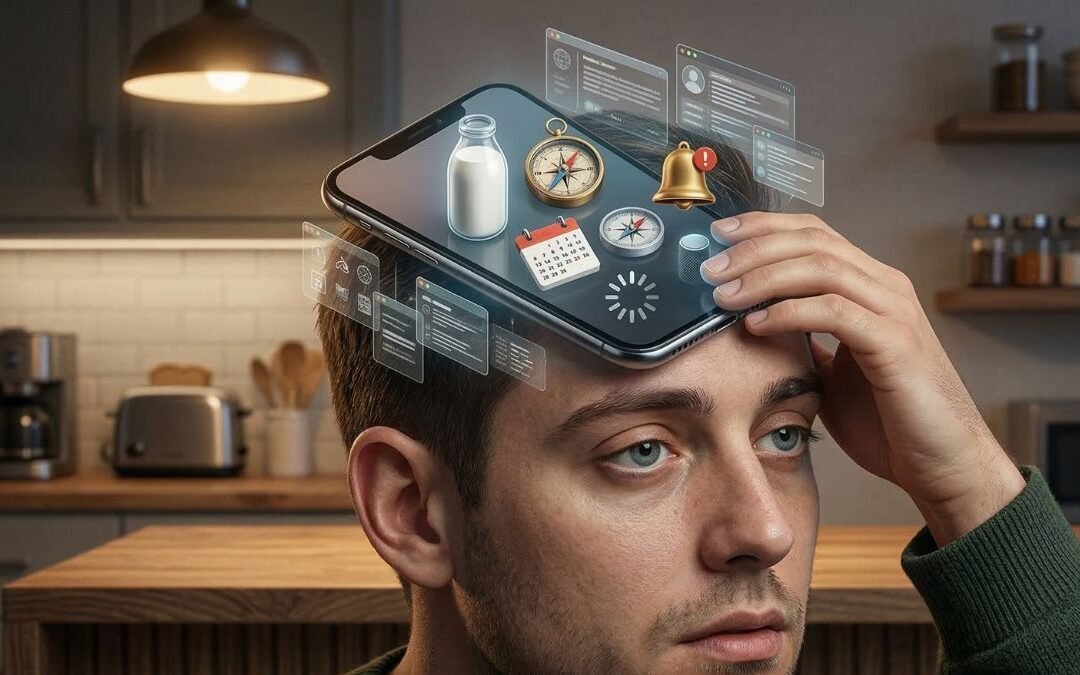
We’ve engineered a world so convenient it’s quietly making us helpless. Danny explores the absurdity of smart fridges, dopamine loops, and a civilization that can’t survive a Tuesday afternoon power cut — with the dry wit and uncomfortable honesty the topic deserves.

A deeply emotional and satirical editorial undressing the hypocrisy of the war in Lebanon. When global powers and local factions fight for their own gain, who should we really root for?

An emotional, stream-of-consciousness editorial exploring the human psyche behind the conflict in Lebanon. Walk in the shoes of all parties—soldiers, strategists, and civilians—to find the tragic irony, cognitive dissonance, and shared fear that drive the endless cycle of violence.
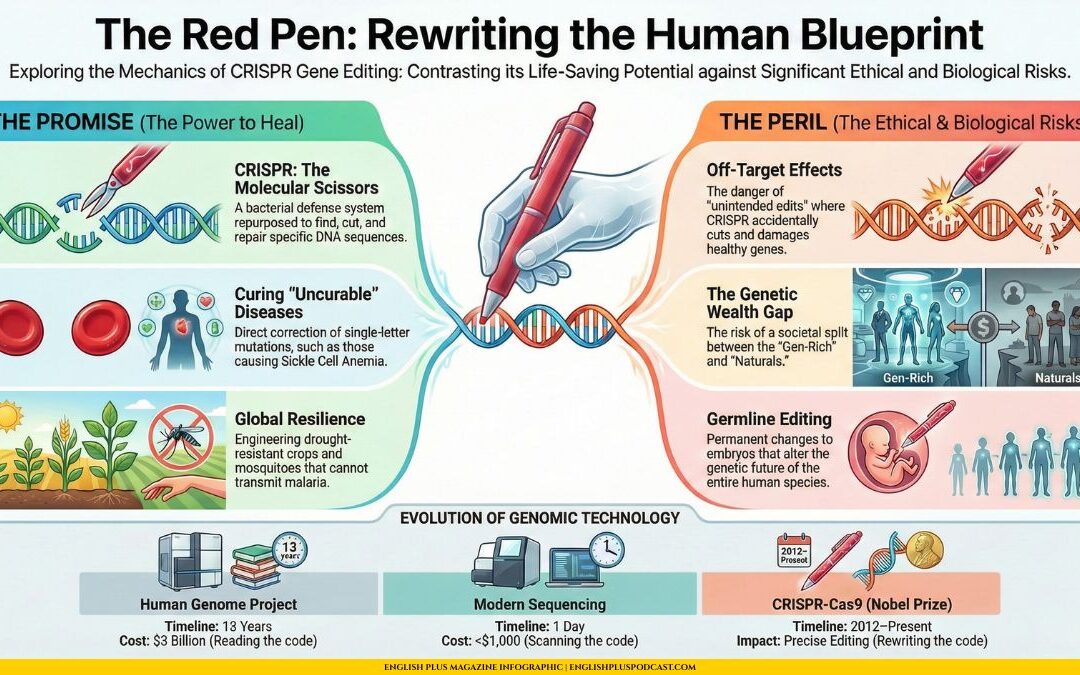
Explore the revolution of CRISPR and Genetics. From the Human Genome Project to designer babies, discover how we are learning to edit the code of life.
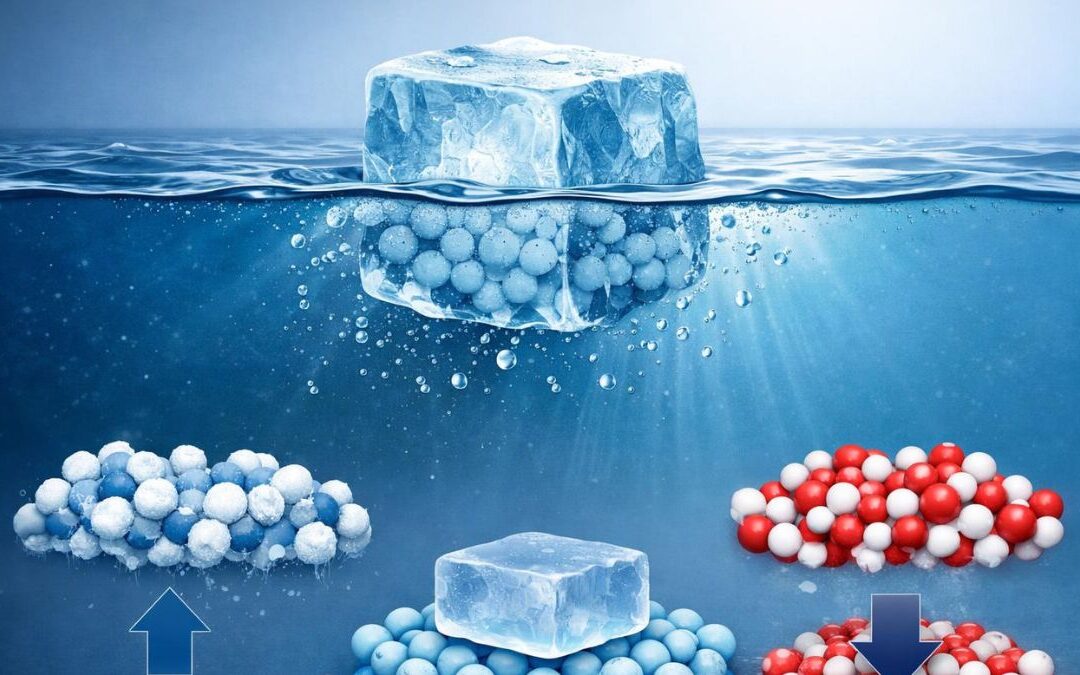
Why does ice float? It defies the laws of physics that apply to almost everything else. We dive into the density anomaly of water to reveal how a simple ice cube is actually a molecular miracle keeping life alive.