If you could sit down with the person you used to be, what would you say? This episode explores the profound question of how you would mentor your younger self, unpacking the wisdom, regrets, and compassion that come with hindsight.
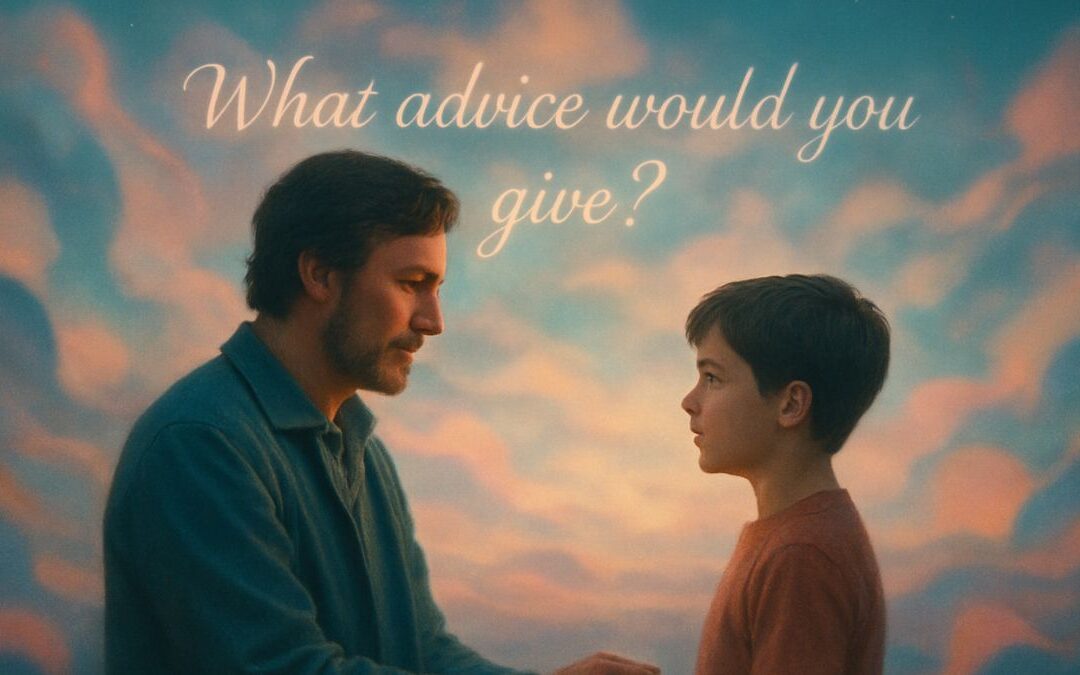

If you could sit down with the person you used to be, what would you say? This episode explores the profound question of how you would mentor your younger self, unpacking the wisdom, regrets, and compassion that come with hindsight.
What’s the one dream you’d chase if you weren’t afraid? We’re diving into the neuroscience of fear to understand the one fear that holds you back, and how you can finally start to tame that ancient, powerful dragon in your brain.
It’s more than a buzzword. How do you define authenticity for yourself? Let’s explore what it truly means to be you and how to courageously close the gap between who you are and who you pretend to be.

Explore the surprising power that comes from embracing vulnerability. This isn’t about weakness; it’s about the courage to be seen and how that courage can transform your relationships and your life. What role does vulnerability play for you?
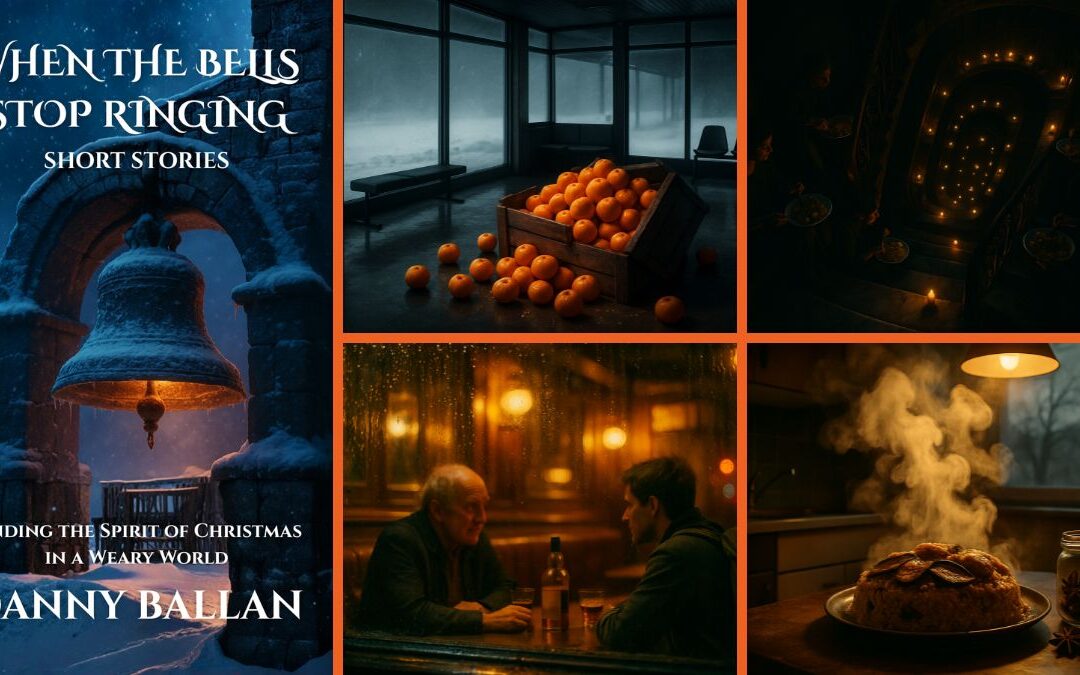
In this episode, we explore the danger of hoarding our grief and our joy. Through stories set in Dublin, Beirut, Hokkaido, and Berlin, we ask: What happens when we invite a stranger to the table, and why must we “break the seal” before the moment rots?
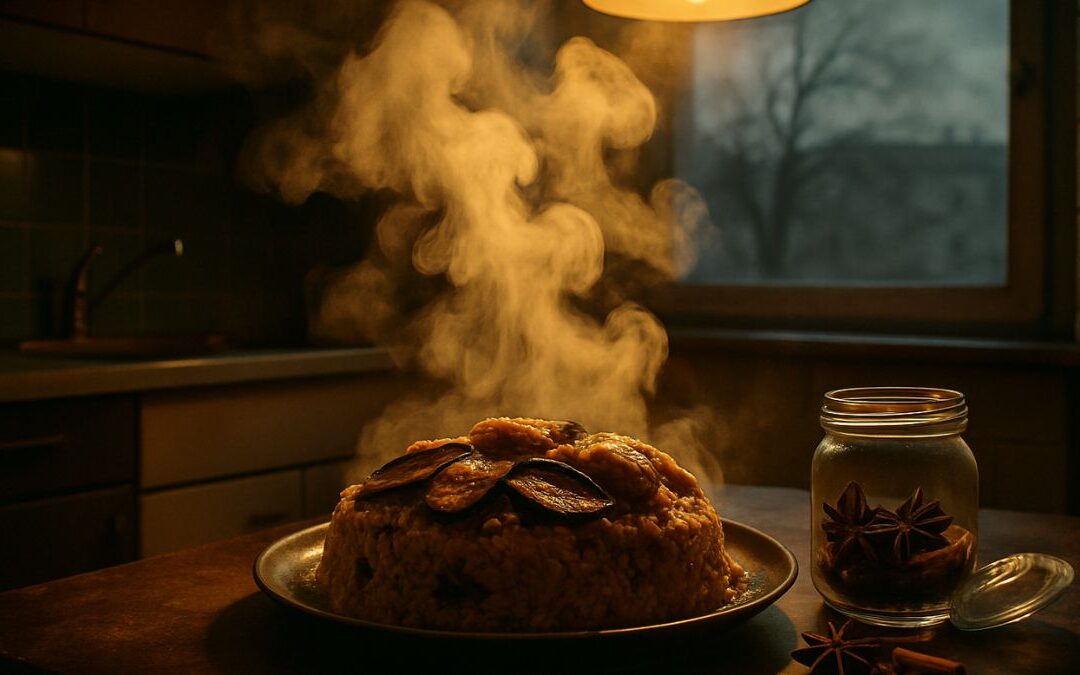
Berlin in December is gray, damp, and smells of wet wool. For Fatima, a refugee from Aleppo, the city feels impossibly cold and distant. Desperate for a sense of home on Christmas Eve, she opens a jar of seven-spice and begins to cook Maqluba, filling her apartment building with the rich, loud scents of the Levant. But when a sharp knock comes at the door, Fatima fears the worst. On the other side stands her stern German neighbor, Frau Weber. What follows is a story about the flavors that divide us, and the unexpected tastes that bring us together.

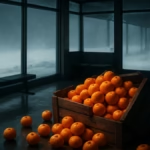
A blizzard has erased the highways of Hokkaido, trapping a diverse group of travelers in a roadside station on Christmas Eve. There is a businessman with a deadline, a crying toddler, and a truck driver named Kenji hauling a perishable cargo of sunshine—mandarin oranges. As the power flickers and the vending machines die, the tension in the room rises. With the road closed and hunger setting in, Kenji looks at his sealed cargo and faces a choice: follow the rules of the logbook, or break the seal to feed the strangers stranded with him.
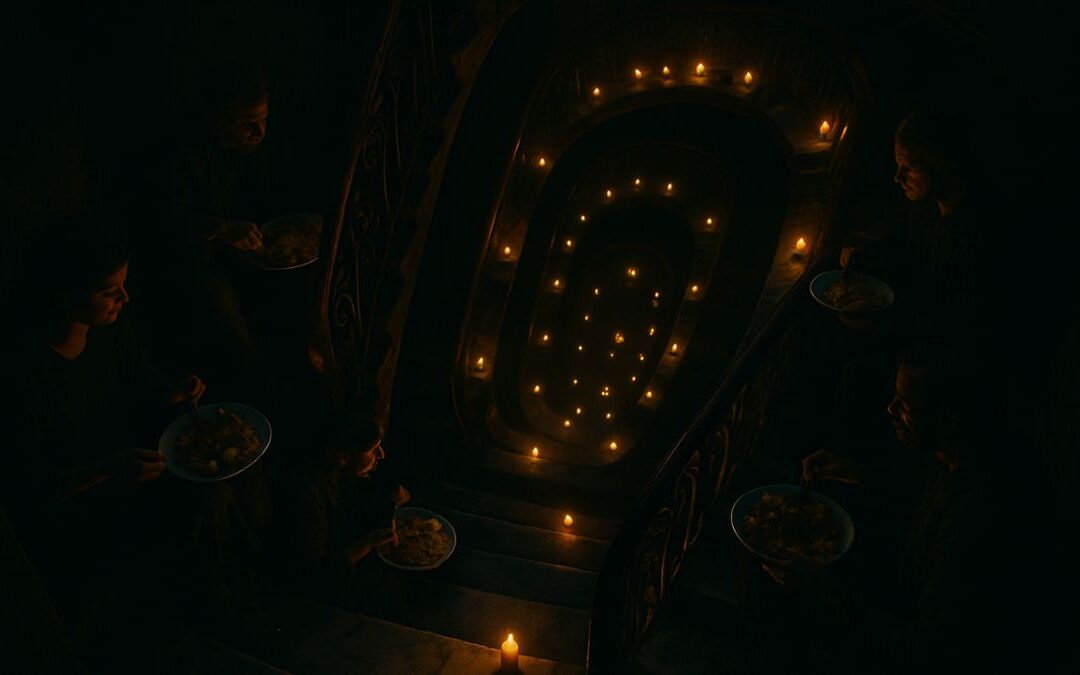
In Beirut, the darkness doesn’t fall gently; it seizes the city. On Christmas Eve, the power grid fails, leaving twelve-year-old Nour and her neighbors in a suffocating blackout. In a building where iron doors are usually triple-locked and neighbors rarely speak, the silence is heavy. But Nour remembers her grandmother’s beeswax candles and makes a choice. Instead of huddling in her own apartment, she heads for the dark stairwell. This is a tale about what happens when the lights go out, and we are forced to become the light for one another.
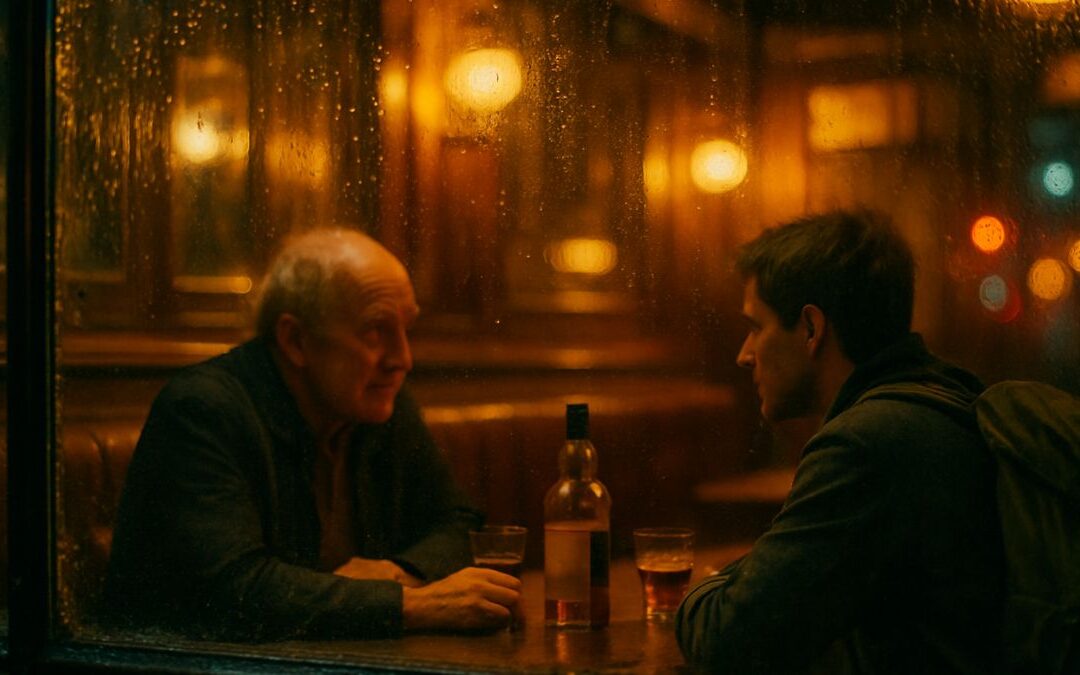
In Dublin, the rain drifts rather than falls, turning the streetlights of Temple Bar into blurred halos. Cillian sits alone in a pub, avoiding the deafening silence of his own home—a house that has been too quiet since his wife, Siobhan, passed away. He has set a place at the table out of habit, a monument to his loss. But when a soaking wet traveler stumbles into the pub with a backpack and a ruined plan, Cillian is forced to decide whether to guard his grief or open the door. Join us for a story about the ’empty chair’ and the courage it takes to fill it.

In this reflective session, we explore the barriers separating us from strangers—glass windows, headphones, borders, and social status—and ask what it truly costs to offer dignity instead of just charity.