Explore a thought-provoking look at how society would change if we didn’t have to work. Discover the potential social, economic, and cultural impacts of a world without traditional labor.


Explore a thought-provoking look at how society would change if we didn’t have to work. Discover the potential social, economic, and cultural impacts of a world without traditional labor.

Explore the meaning of being a “good person” through the lenses of morality, ethics, and personal values. Discover the complexities of defining goodness in today’s world and how we can strive to live more meaningful lives.
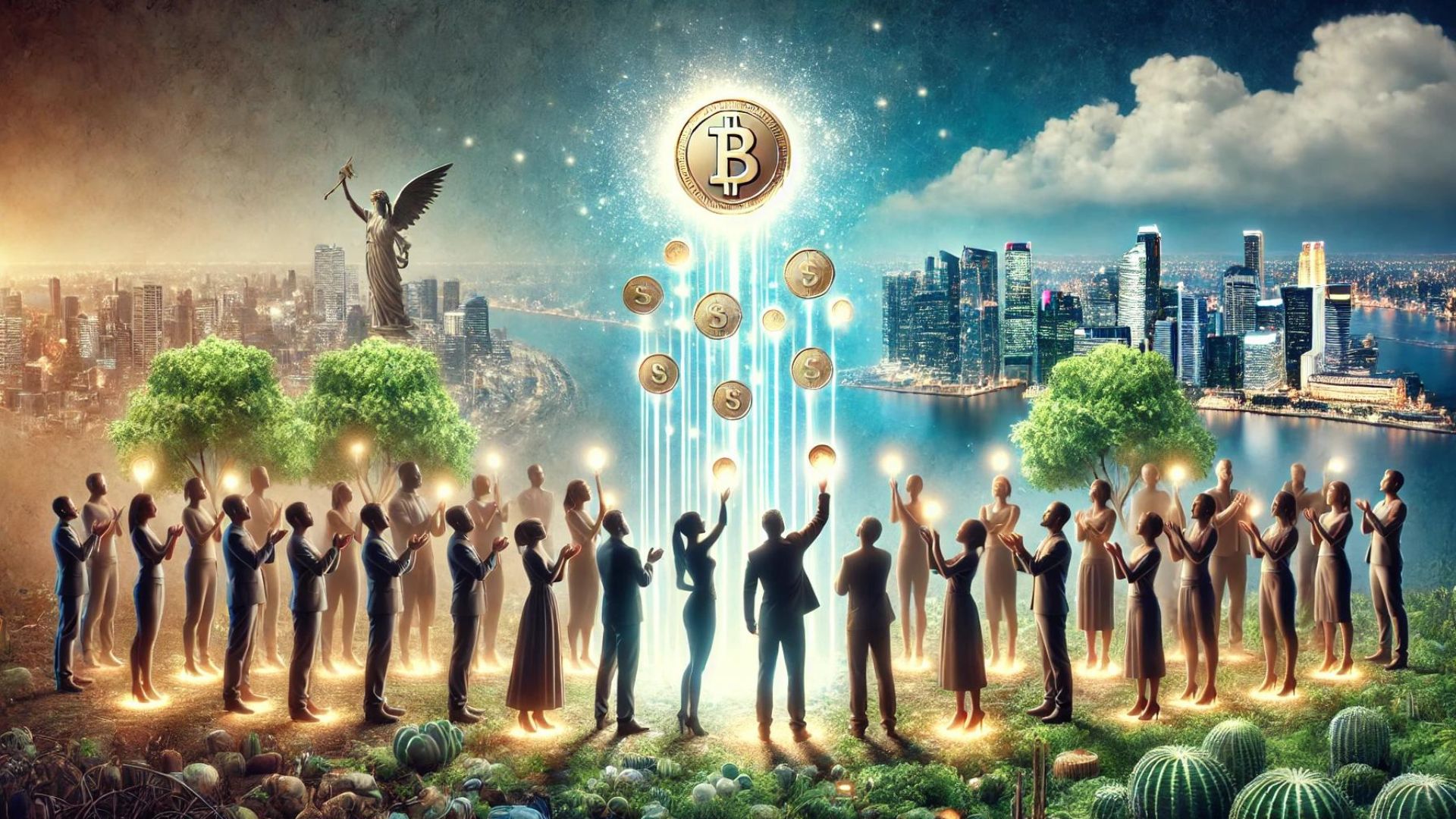
Explore the debate on universal basic income (UBI), discussing whether everyone should receive a basic income, regardless of employment. Consider the potential benefits and challenges of UBI in today’s society.

Explore the future of social media and its impact on human interaction. Discover how evolving platforms will continue to shape our relationships, communication, and society.

Explore the complex nature of love, from its psychological and biological roots to its cultural impact, and discover what makes love a powerful human experience.

Explore the ethical dilemmas surrounding the justification of war. This thought-provoking article delves into historical examples and philosophical perspectives on whether war can ever be morally justified.

Explore how studying history influences patriotism. Discover if historical knowledge fosters national pride or critical reflection. Thought-provoking insights and perspectives on the impact of history education on patriotism.

Explore the difference between justice and fairness, two fundamental concepts in ethics and law. Understand their unique roles and implications in creating a just society.

Discover the profound life lessons from chess and how the game imparts wisdom and strategies applicable to everyday challenges. Learn the importance and influence of chess over the years.

Delve into the philosophical debate on whether justified beliefs can exist without evidence. Explore different perspectives and their implications in our understanding of knowledge and belief.

A poetic dive into the Italian good-luck phrase in bocca al lupo — “into the mouth of the wolf” — the argument Italians are still having about the correct reply, and what predators actually do to a landscape.

A poetic dive into “dirge” — a word for the music of grief, which turns out to be the crumpled remains of a Latin word meaning guide me.

Medieval Europeans knew the Earth was round. Columbus knew. His critics knew, and they were right about the part that mattered. So where did the flat Earth story come from? A novelist, two Victorian polemicists, and our deep appetite for feeling smarter than the dead.

Washington Irving invented the flat Earth myth in 1828. Danny puts him on trial for the lie that made Columbus a hero and the Middle Ages a joke.

A poetic dive into the German idiom auf dem Zahnfleisch gehen — “to walk on the gums” — and what the suspended architecture of a single tooth reveals about the first thing exhaustion takes from you.

Learn the English of networking — question forms, the echo responses that keep a conversation alive, question tags, and the graceful exit nobody teaches. Plus why the people who help your career are rarely your closest friends.