Why do we light candles in winter? Explore the anthropology of the Advent candle, Menorah, Diya, and Yule log. Discover the shared human history of combating darkness with light.


Why do we light candles in winter? Explore the anthropology of the Advent candle, Menorah, Diya, and Yule log. Discover the shared human history of combating darkness with light.
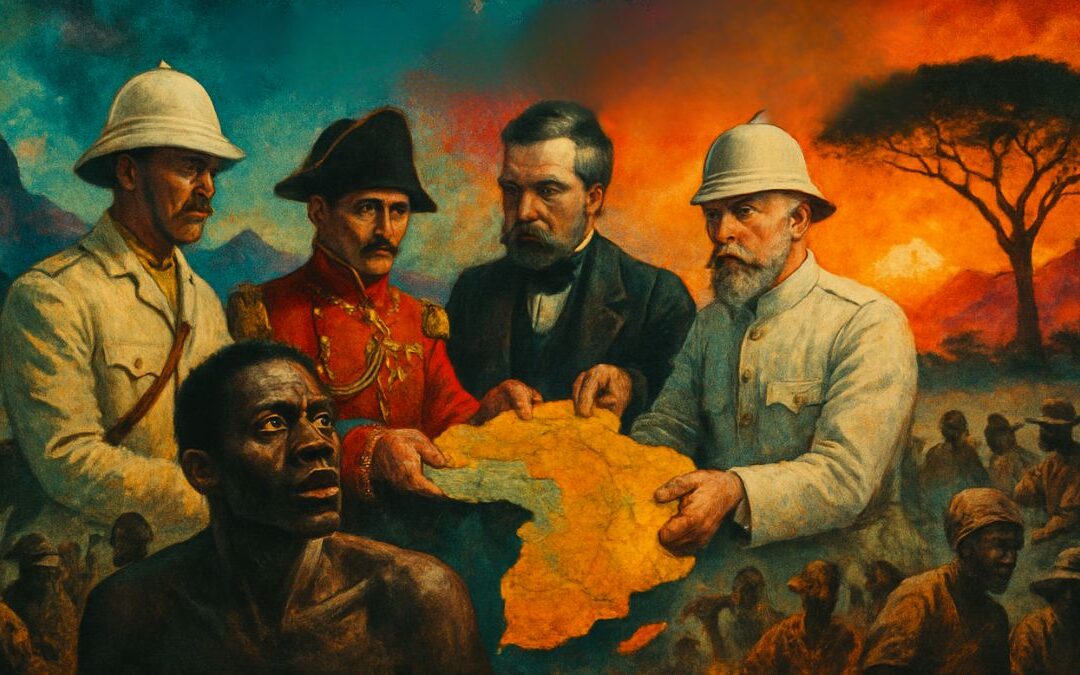
The “Scramble for Africa” & Sykes-Picot created borders that sparked conflict. This article pivots to the solutions: cross-border economic zones, the AU, and cultural festivals that are making those lines irrelevant.
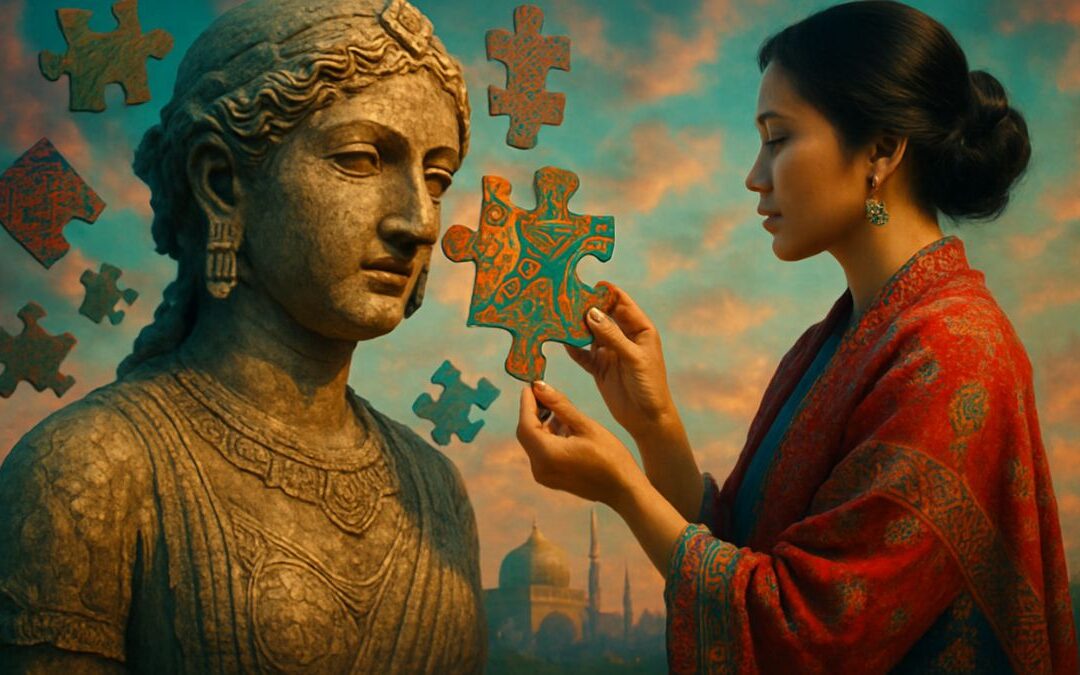
Move beyond the “stolen art” debate. Discover how cultural repatriation is not an end, but a beginning for healing cultural trauma, building mutual respect, and forging new, equitable global partnerships.
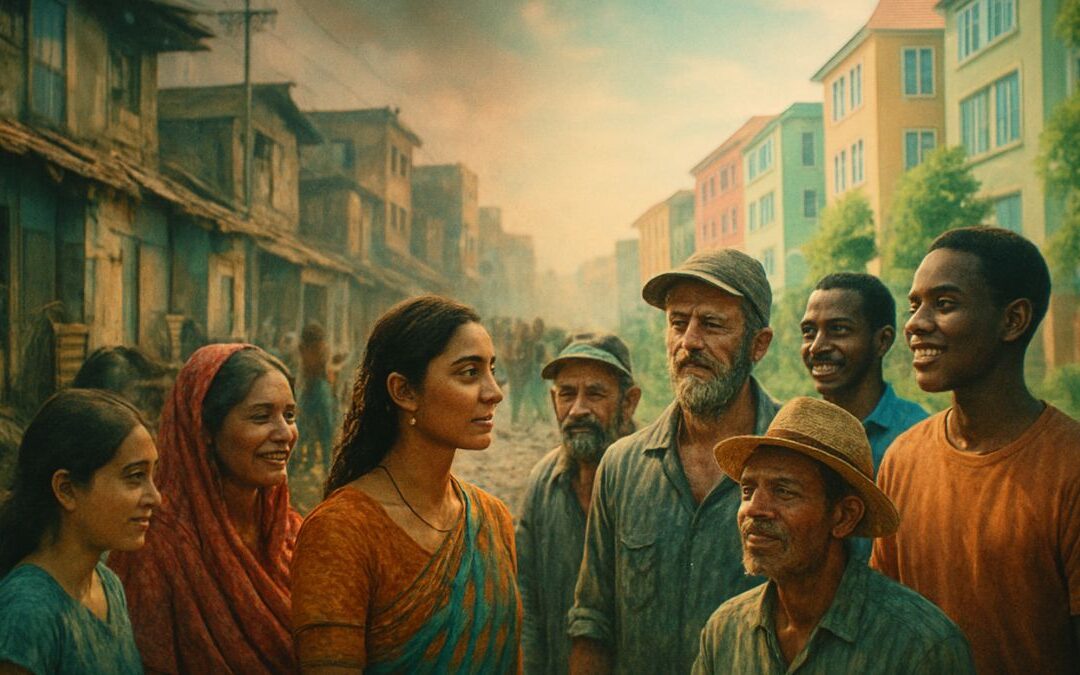
Fighting poverty isn’t just charity; it’s a smart investment. Discover how eradicating poverty boosts economic growth, creates new markets, and builds a more stable and prosperous society for everyone.
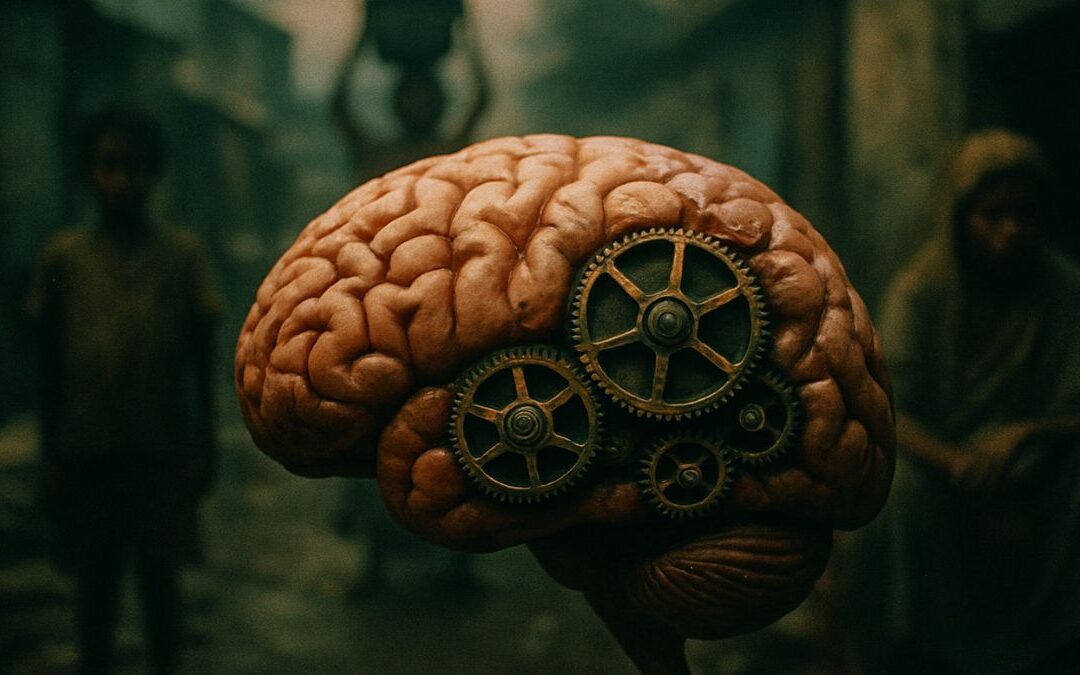
Poverty isn’t a character flaw; it’s a cognitive burden. Explore the science of how chronic stress and scarcity impact brain function, decision-making, and the ability to plan for the future.
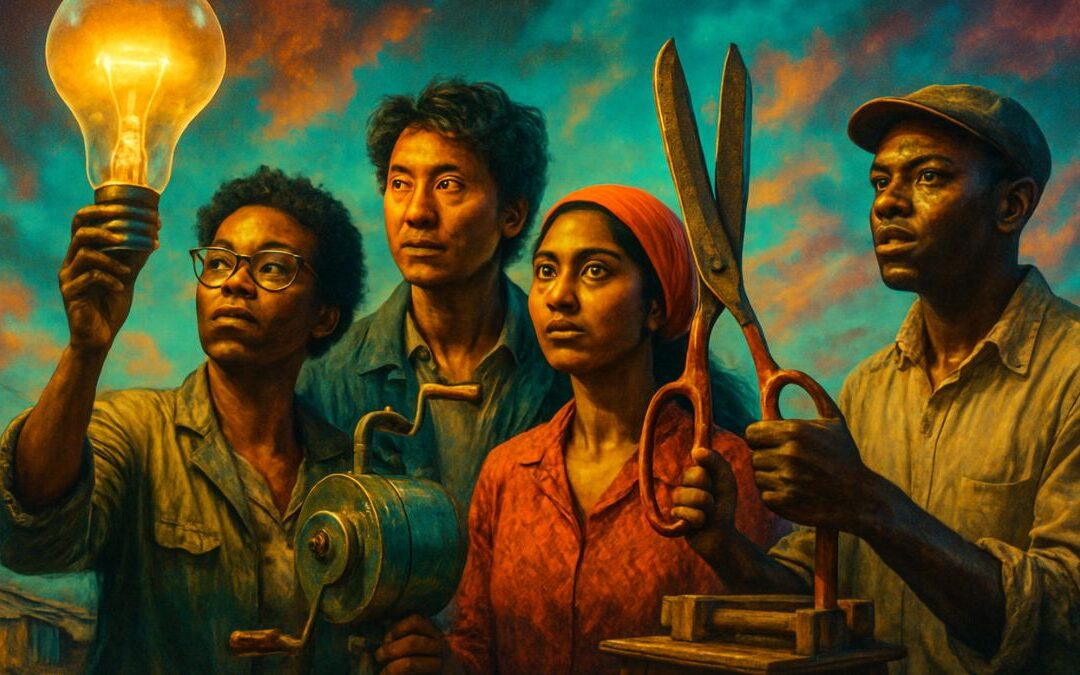
Discover the groundbreaking solutions changing how we fight global poverty. Learn about microfinance, Universal Basic Income (UBI), and mobile money—unconventional tools that empower, not just aid.
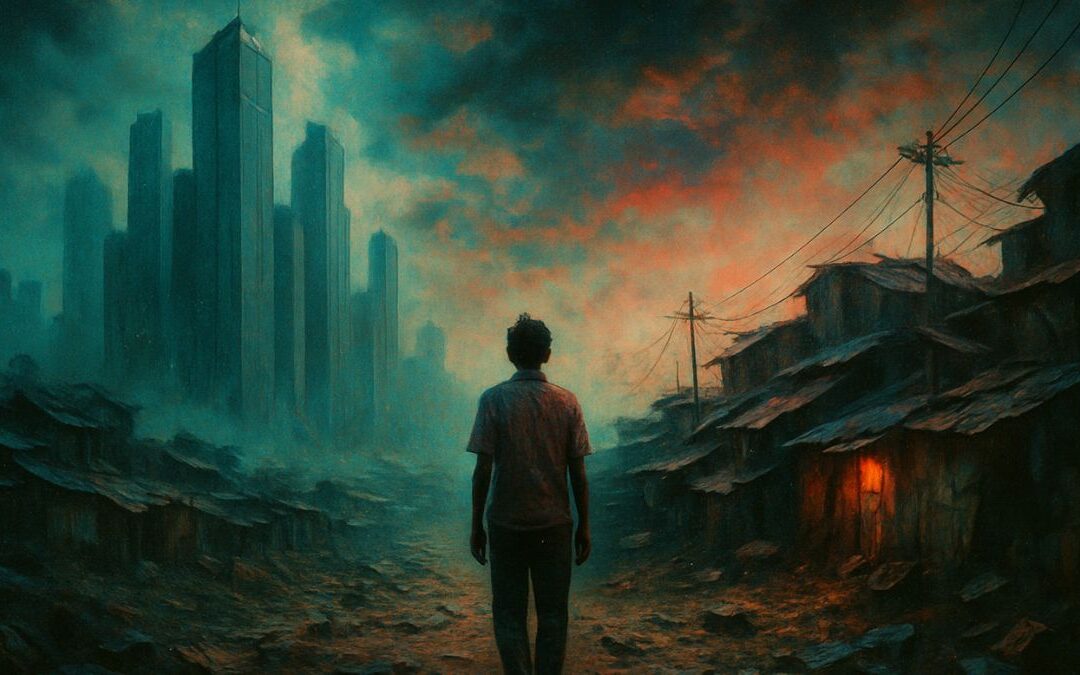
Why do poor countries stay poor? Explore the systemic reasons, from colonialism’s economic legacy and unfair trade rules to debt traps, and discover how the global economy can perpetuate poverty.
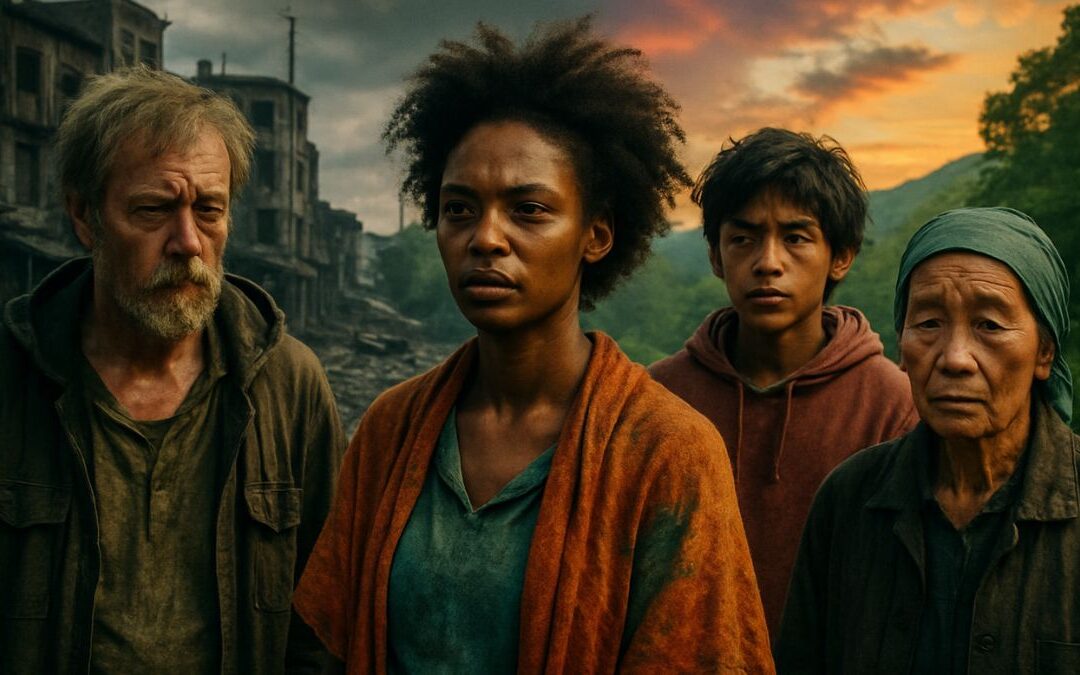
Poverty isn’t just about a lack of money. Explore the concept of multidimensional poverty and discover why access to healthcare, education, and clean water reveals the true reality of global inequality.

Explore how the decline of critical thinking fuels political polarization and social media echo chambers. Discover how intellectual humility and good-faith arguments can help heal our divisions and strengthen democracy.
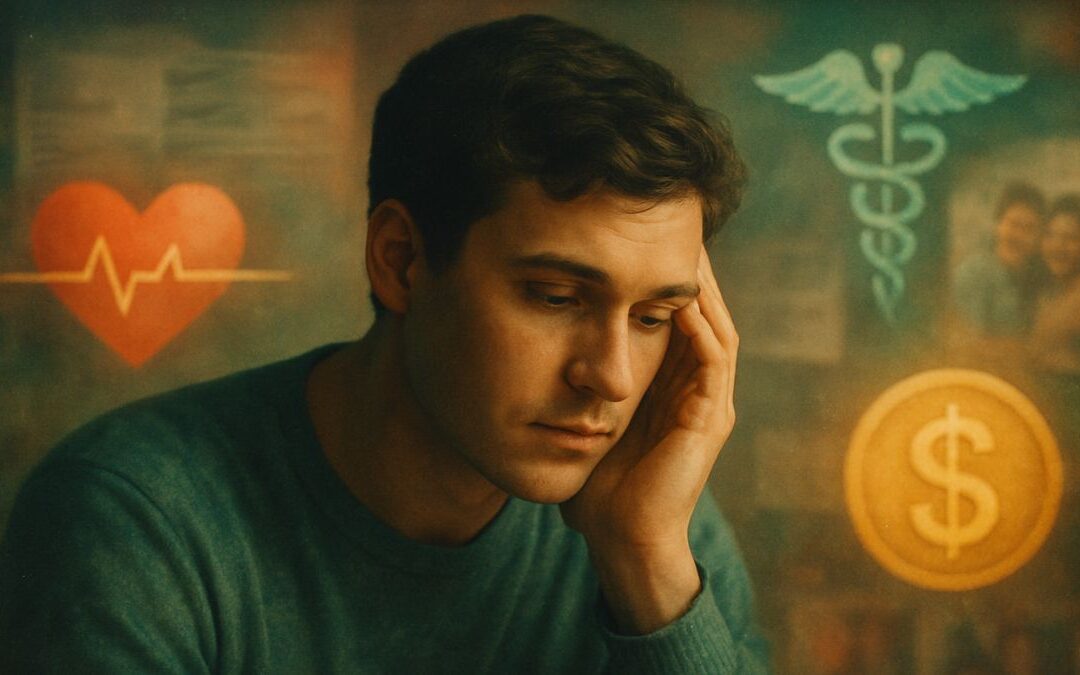
Take critical thinking out of the abstract and into your daily life. Learn to evaluate wellness fads, avoid financial biases, and use self-reflection to improve your health, wealth, and happiness.
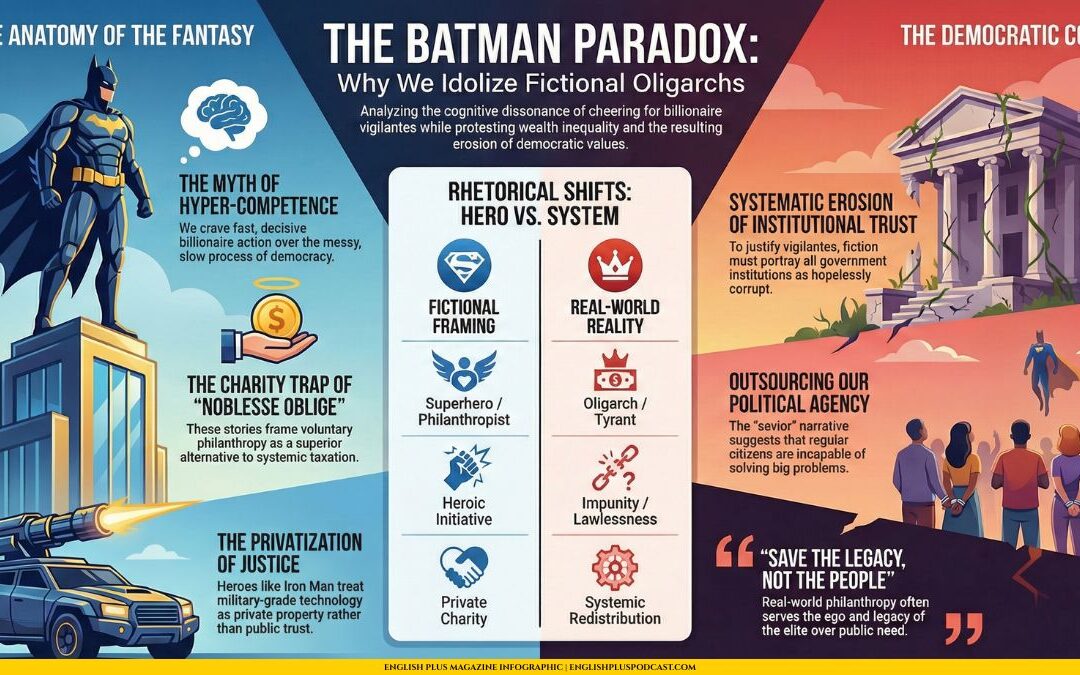
Why do we cheer for billionaire vigilantes in movies but protest them in real life? Explore the “Batman Paradox” and what it reveals about our views on democracy, justice, and power.
Uncover the secrets of the “Shell Game” in Episode 2 of Shadow Games. We explain how shell companies work, the truth about offshore tax havens, and how “Dark Money” influences politics without leaving a trace. A guide to financial opacity.
Dive into the Renaissance, the explosive era that bridged the medieval and modern worlds, transforming art, science, and the very essence of human potential.
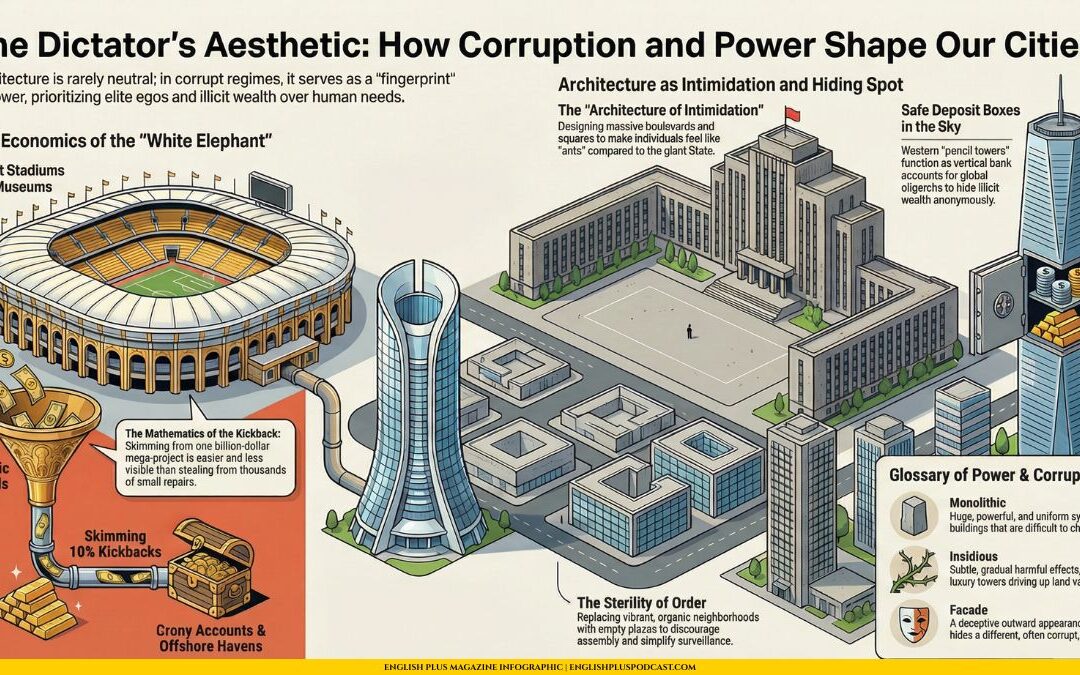
Explore the link between architecture and corruption. From ghost stadiums to pencil towers, discover how authoritarianism and money laundering shape our skylines in this deep-dive article.
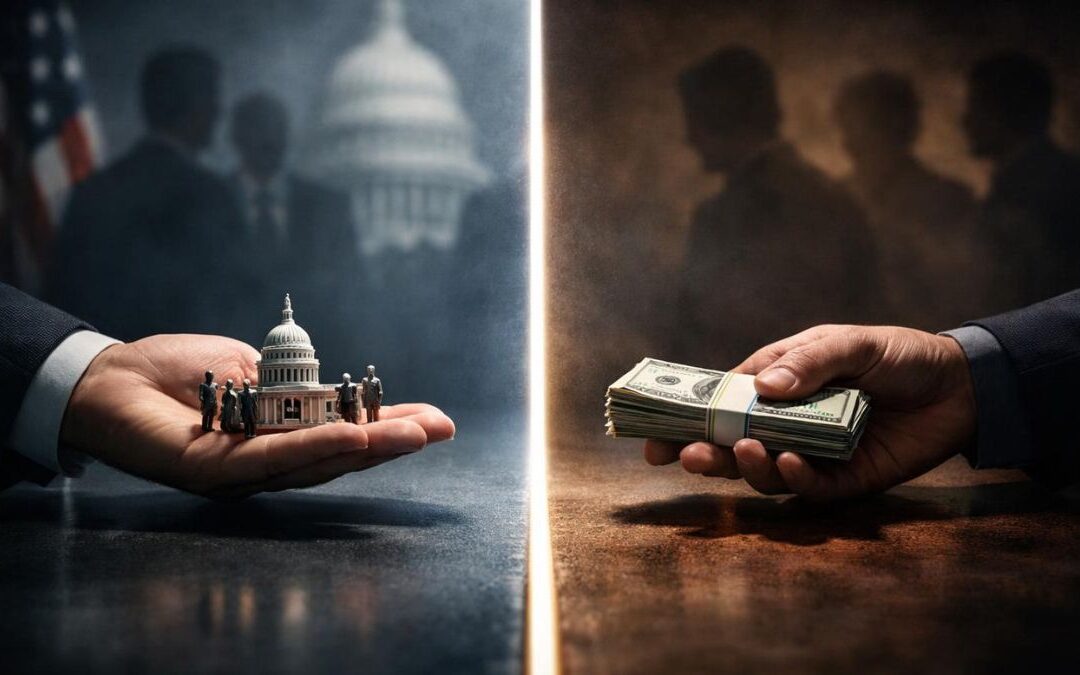
Explore the murky world of political influence in Shadow Games Ep 1. We breakdown the fine line between legal lobbying and bribery, the revolving door, and the pay-to-play reality of modern power. Essential reading for understanding how governments really work.
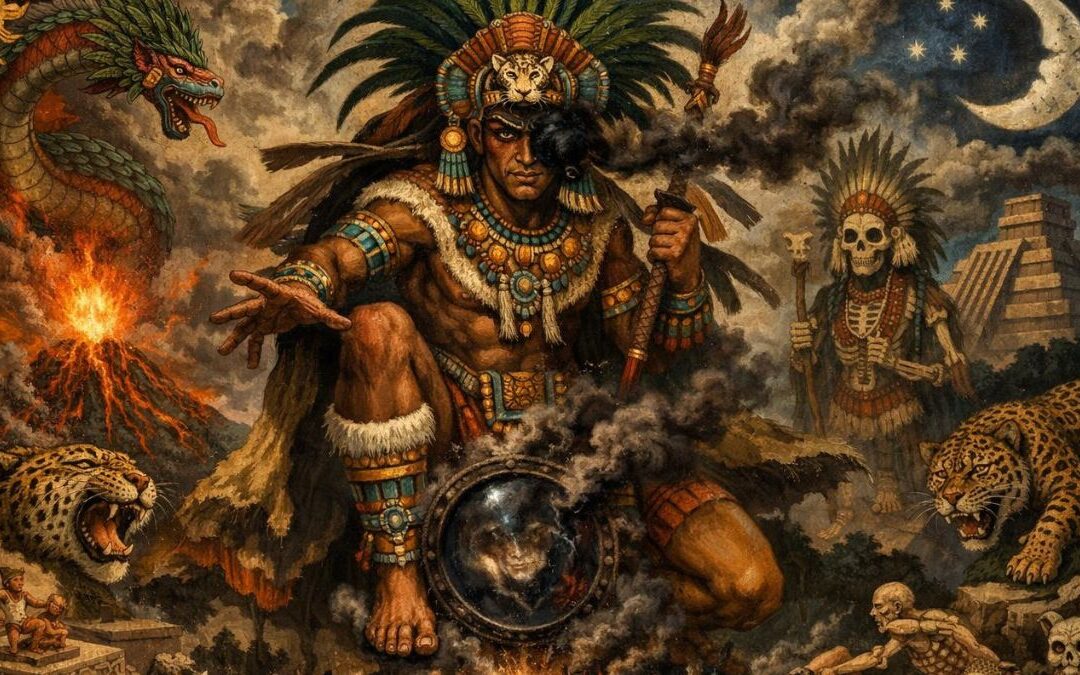
Discover the chaotic allure of Tezcatlipoca, the Aztec god of destiny and sorcery. We dive into the myths of the Smoking Mirror to uncover ancient wisdom about fate, duality, and the unpredictable nature of life.