Discover why humans are inherently biased towards stories and narratives over raw data. Learn about the psychological reasons behind this preference and its impact on communication and decision-making.


Discover why humans are inherently biased towards stories and narratives over raw data. Learn about the psychological reasons behind this preference and its impact on communication and decision-making.

Discover how learning new skills can boost brain health by increasing the density of white matter. Explore the benefits of skill acquisition on cognitive function and overall mental well-being.
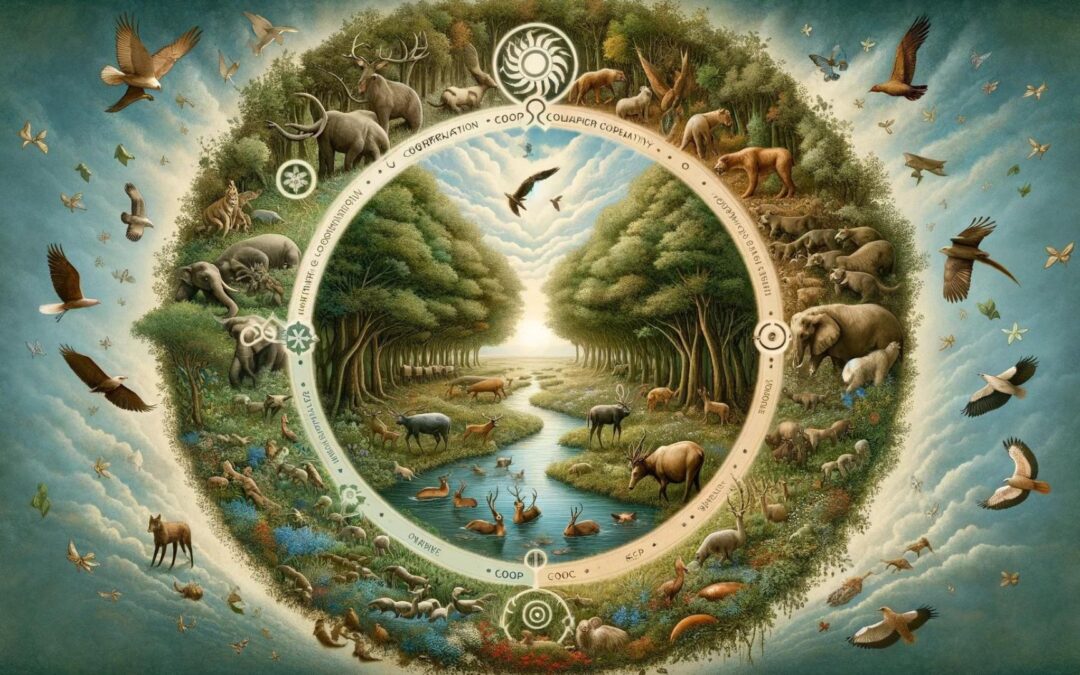
Discover how the belief in karma may offer evolutionary advantages by promoting cooperation and social harmony. Learn about the psychological and social benefits of this ancient concept.

Discover how simple rituals can provide a sense of control and order in chaotic situations. Learn about the psychological benefits and practical applications of rituals in daily life.

Discover the concept of the “shadow self” in psychology, which refers to the unconscious parts of your personality. Learn about its significance, origins, and how to integrate it for personal growth.

Discover the power of mindset in shaping your potential. Learn how to cultivate a growth mindset to overcome challenges, embrace learning, and unlock your true abilities.

Discover the science-backed benefits of spending time in nature for your mental well-being. Learn how connecting with the natural world can reduce stress, improve mood, and enhance overall mental health.

Discover the surprising link between social rejection and physical pain. Learn how your brain processes rejection, its potential consequences, and strategies for coping.

Discover how physical touch releases a powerful hormone called oxytocin, boosting your mood and helping to combat feelings of loneliness.

Ever feel stressed by incomplete tasks? Learn about the Zeigarnik Effect – the psychological reason unfinished business lingers in your thoughts and how to use it to your advantage.
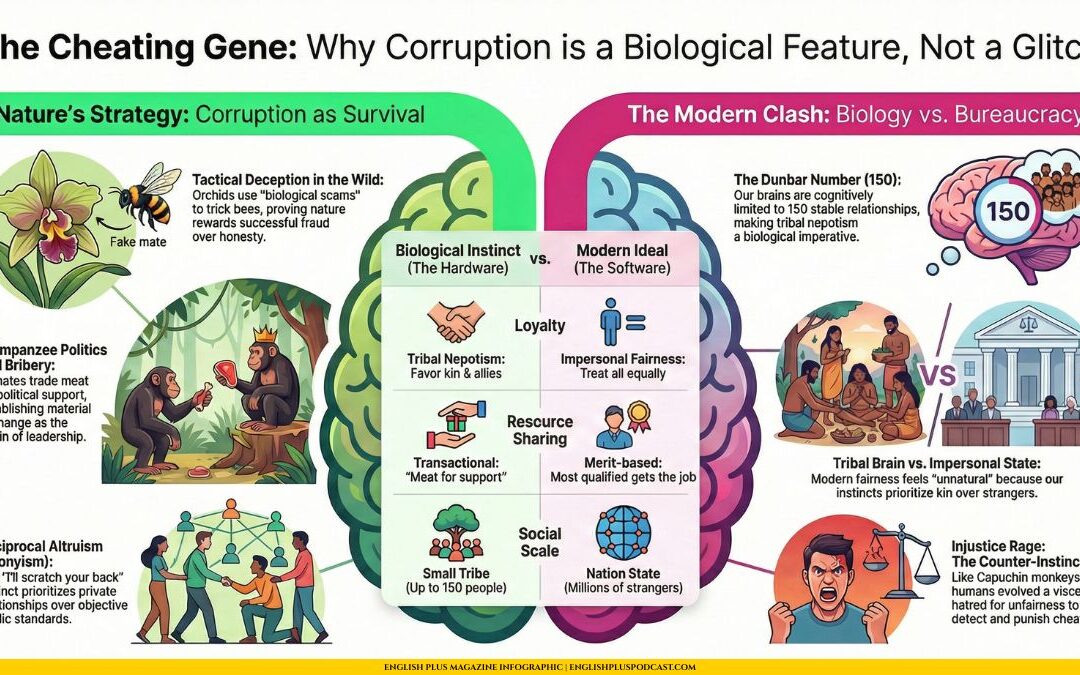
From orchids lying to bees to chimps trading meat for votes, we explore the biological roots of corruption. Is bribery a human flaw or an evolutionary survival strategy?

Discover how the ultra-wealthy consolidate power in Episode 3 of Shadow Games. We explore the Media Monopoly, Regulatory Capture, and the “Too Big to Fail” phenomenon. A deep dive into the mechanics of modern oligarchy.

Did Nero really play music while Rome burned to ash? We dig into the historical evidence to separate fact from fiction and discover why this ancient rumor still shapes our view of power and truth today.

Can suffering actually be good for you? We explore the uncomfortable truth that pain, while unpleasant, is often the secret ingredient for wisdom, resilience, and a truly meaningful life.
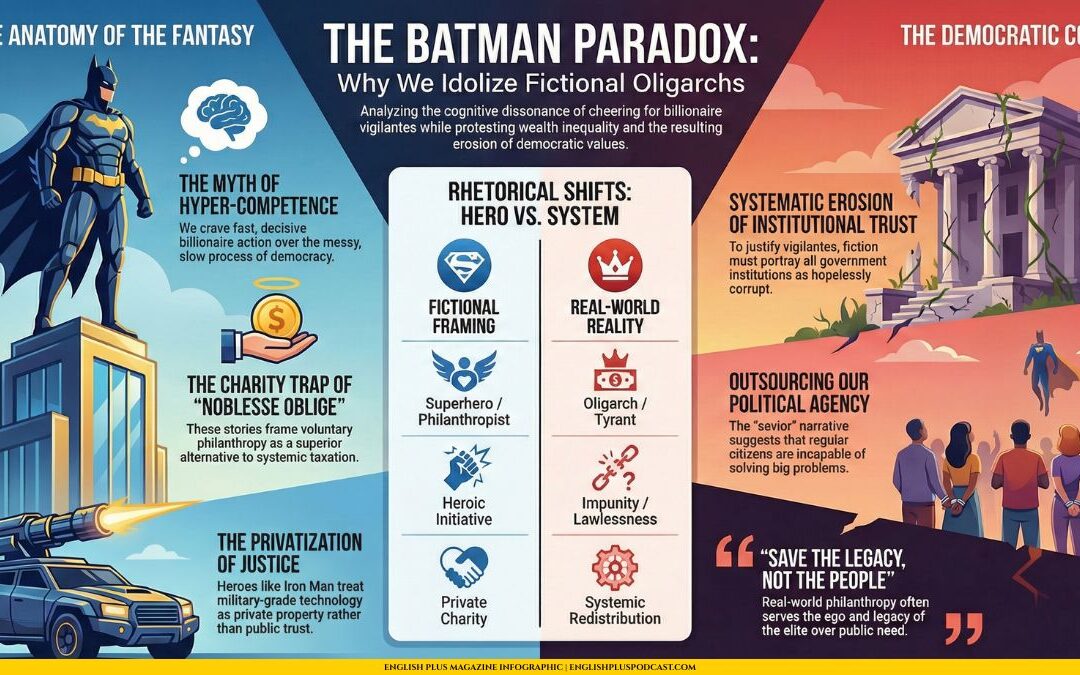
Why do we cheer for billionaire vigilantes in movies but protest them in real life? Explore the “Batman Paradox” and what it reveals about our views on democracy, justice, and power.

Uncover the secrets of the “Shell Game” in Episode 2 of Shadow Games. We explain how shell companies work, the truth about offshore tax havens, and how “Dark Money” influences politics without leaving a trace. A guide to financial opacity.