Explore the intriguing question of who would be your first guest if you had your own talk show. Delve into the significance of this choice, the impact of first impressions, and how to select a guest that sets the tone for your show.


Explore the intriguing question of who would be your first guest if you had your own talk show. Delve into the significance of this choice, the impact of first impressions, and how to select a guest that sets the tone for your show.
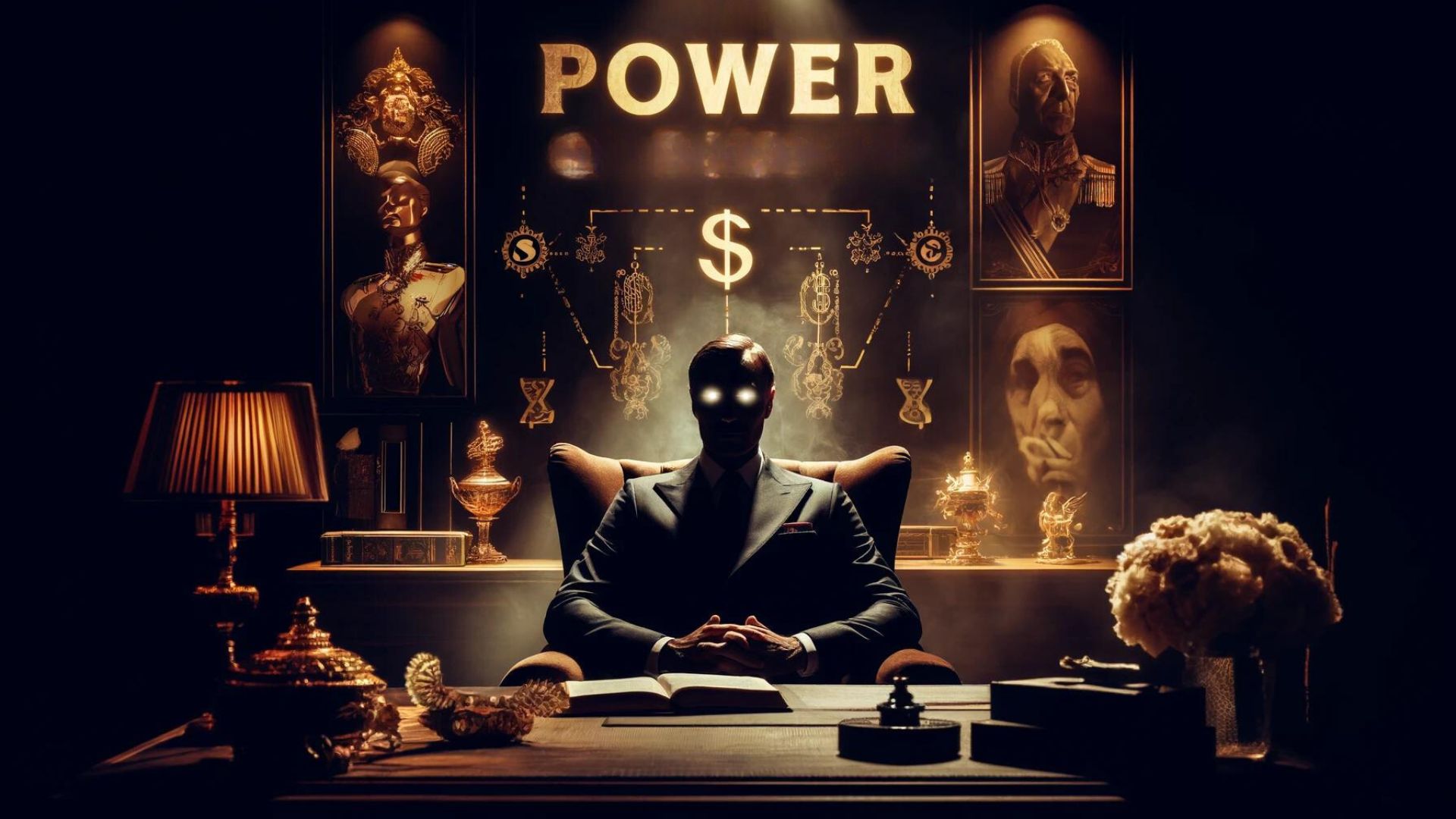
Explore the mechanisms of how power corrupts individuals and institutions. Understand the psychological, social, and ethical dimensions of power’s impact on behavior and integrity.
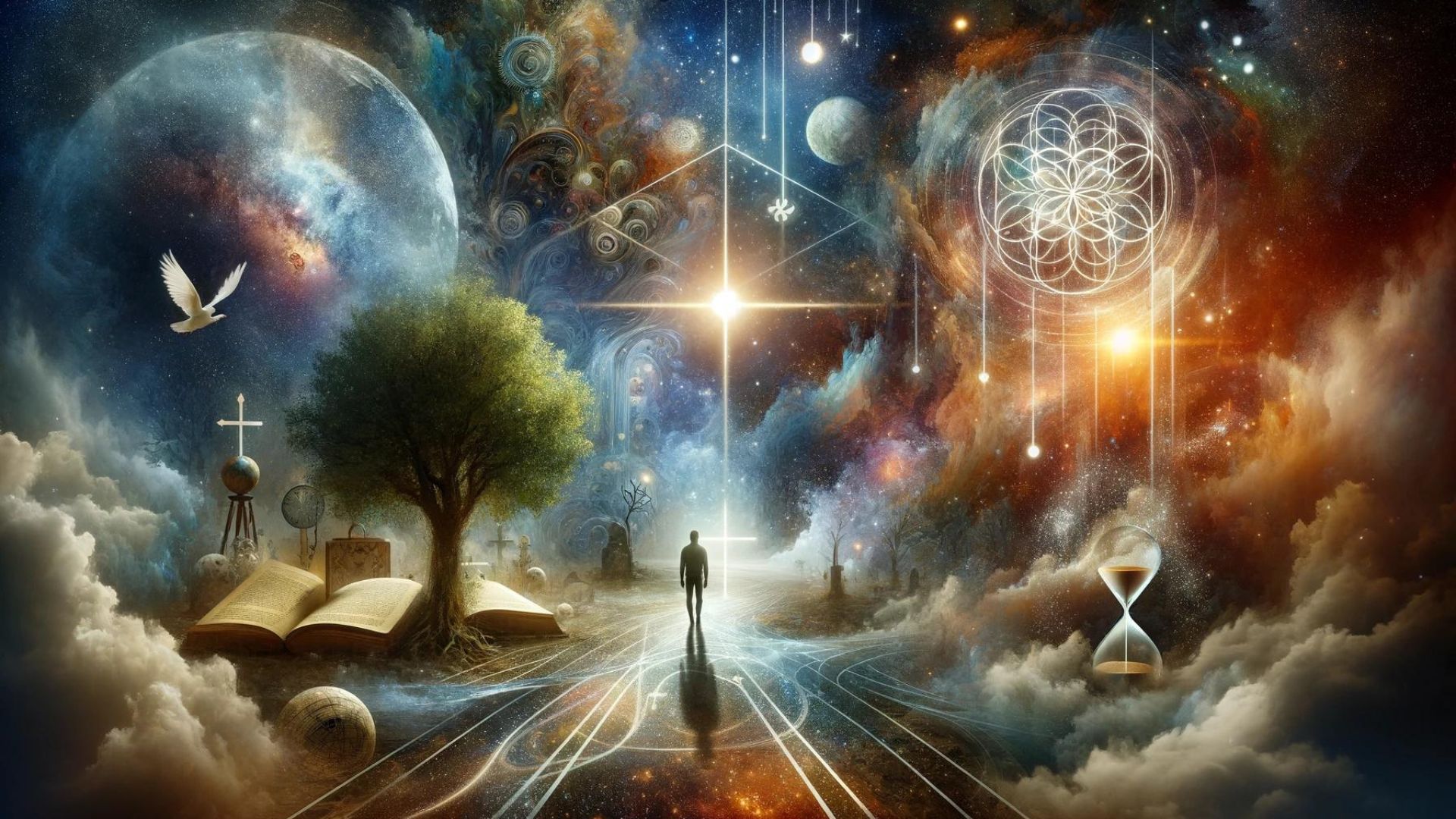
Delve into the age-old question: What is the meaning of life? Explore philosophical, religious, and personal perspectives to gain a deeper understanding of this profound and thought-provoking topic.
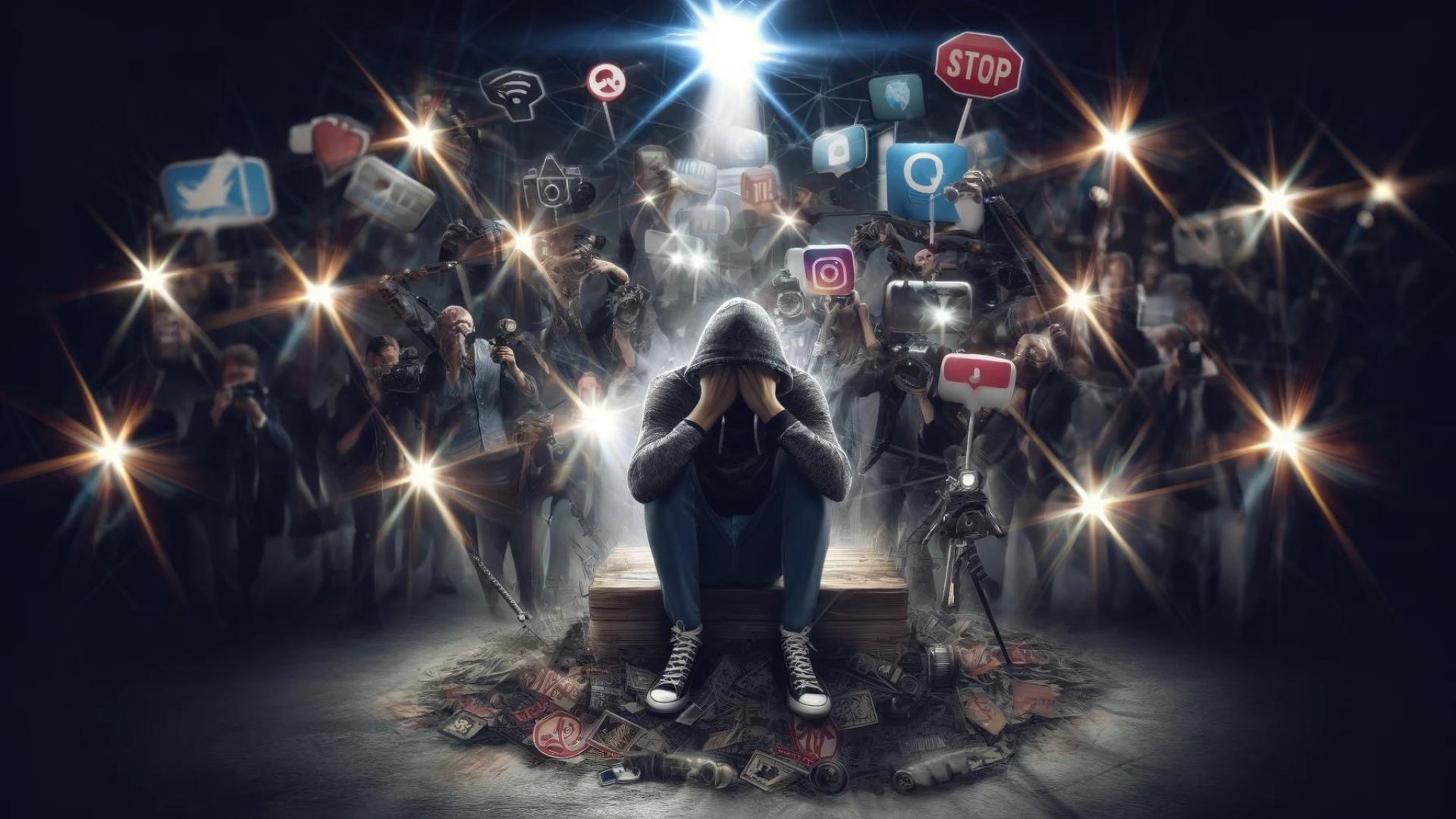
Explore the impact of celebrity culture on society. This thought-provoking article examines whether the obsession with celebrities is harmful, considering mental health, social values, and more.

Explore the profound question of whether a meaningless life is truly possible. Delve into philosophical perspectives, psychological insights, and personal experiences to uncover the meaning we create for ourselves.

Dive into the profound connection between self-awareness and well-being. Discover how understanding your thoughts, emotions, and behaviors can lead to a happier, more fulfilling life.

Explore potential scientific breakthroughs poised to revolutionize our lives. From medical advancements to environmental solutions, discover the cutting-edge research shaping our future.

What are a state’s obligations to its citizens? This article examines the debate over the government’s role in providing essential services and promoting social well-being.

Is your job just a paycheck or can it bring deep satisfaction? Explore the debate on work as a means to an end versus a potential source of personal fulfillment.
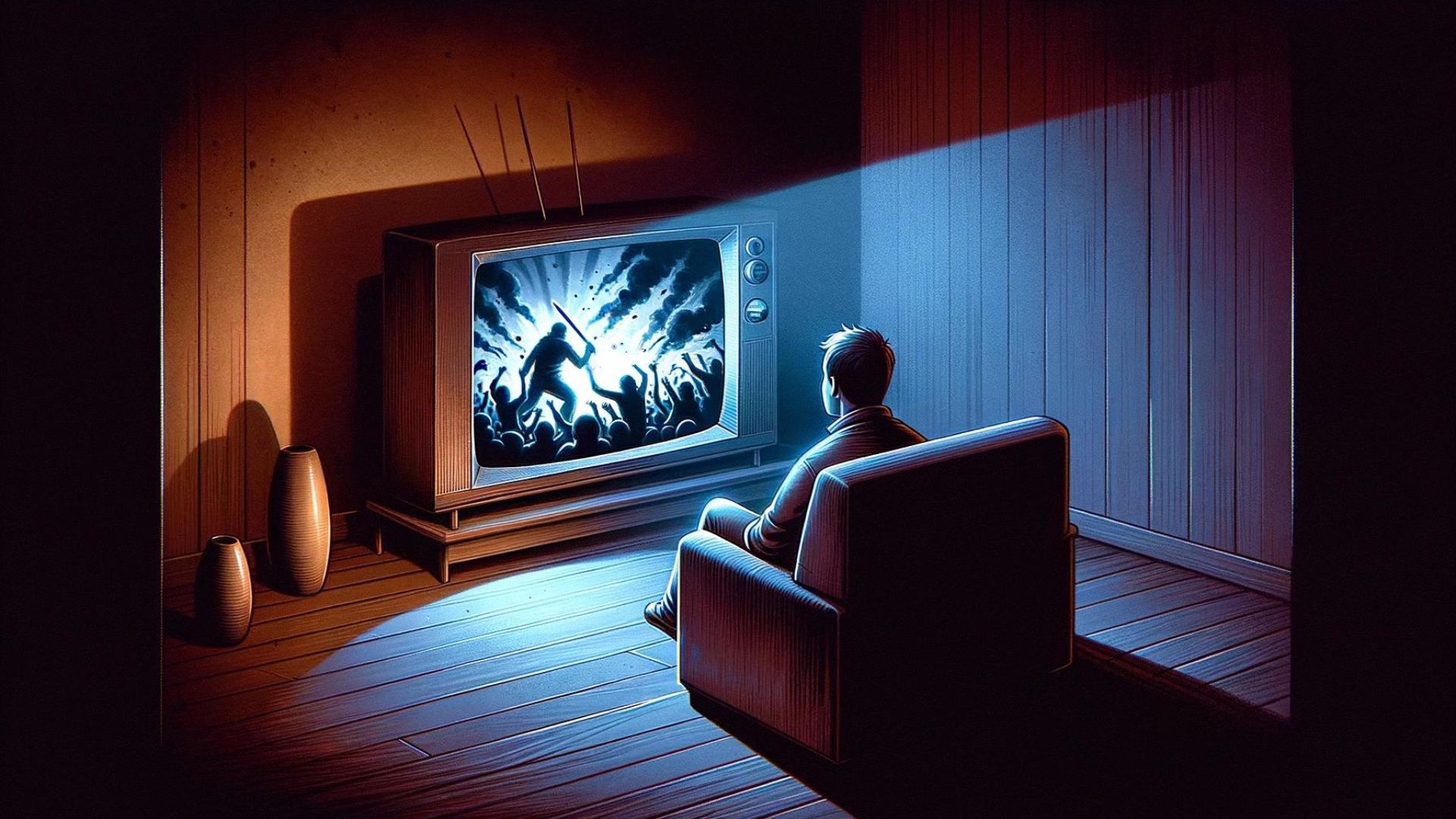
Is it okay to enjoy movies, shows, or games with violence or questionable themes? Explore the ethics of consuming problematic media.

The Sun blows a bubble bigger than the solar system, and we live inside it. Explore the heliosphere, the two Voyagers that flew out of it, and why leaving is so hard to define.
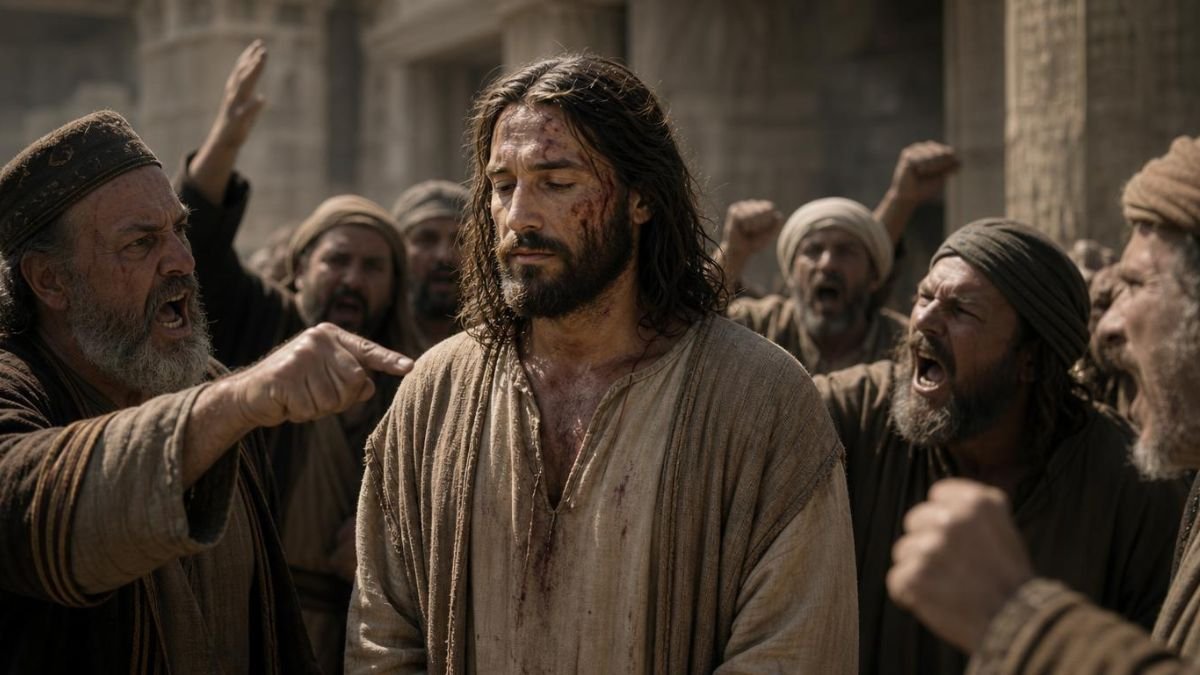
A poetic dive into the Portuguese expression engolir sapos, to swallow toads, and what amphibian skin reveals about the price of keeping the peace.
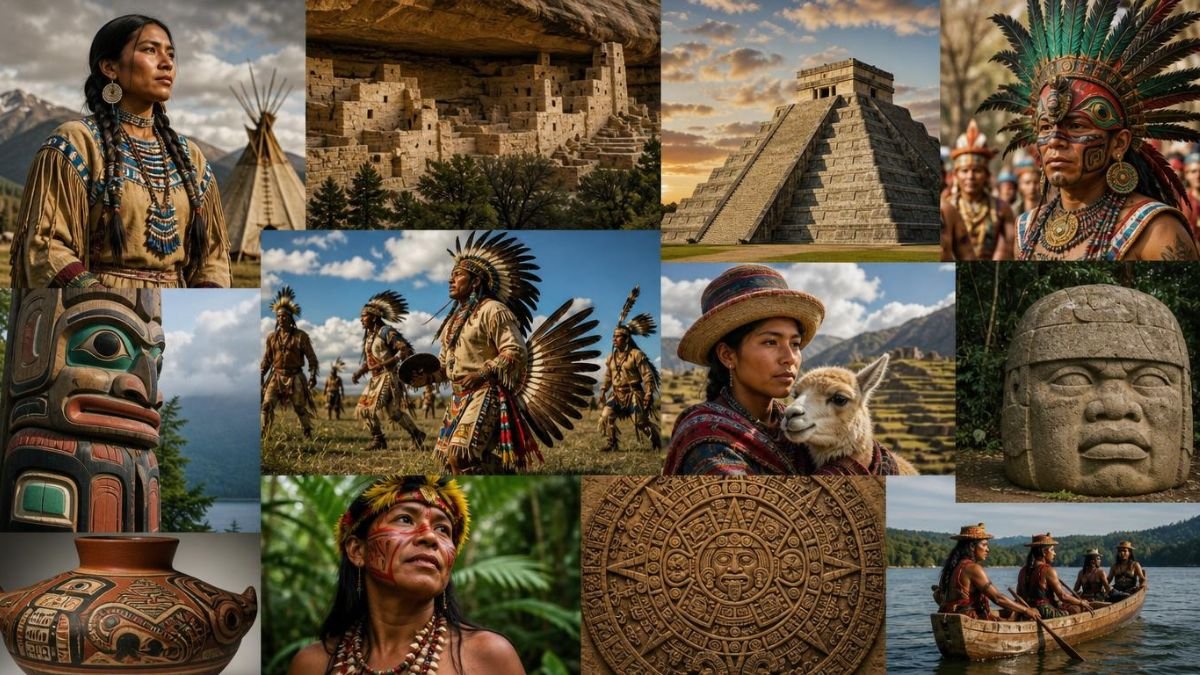
Advanced English listening practice for IELTS, TOEFL, and SAT. Listen to an academic lecture on Indigenous American civilizations and answer 10 exam-style questions.

A poetic exploration of “forgive and forget” — a phrase whose two halves have almost nothing to do with each other, and why the second one may be quietly ruining the first.
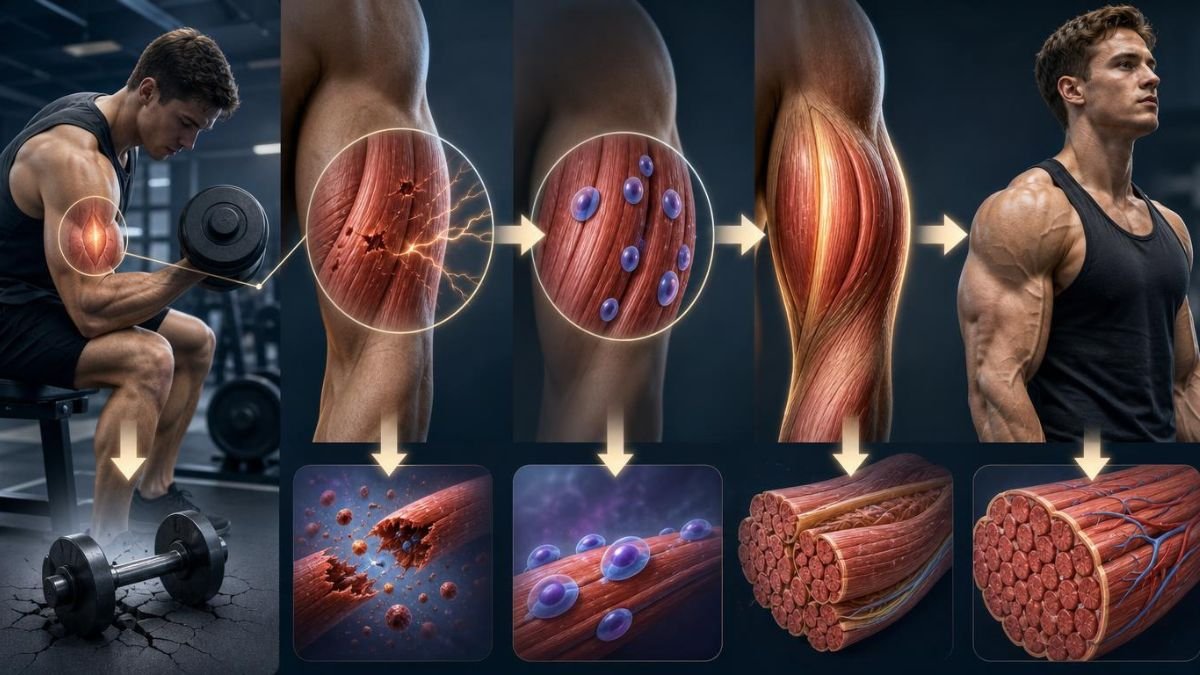
Soreness isn’t the signal. Lactic acid isn’t the culprit. What actually builds muscle is stranger and slower than you were told, and the English for it is worth having.

A poetic dive into 忍, the Japanese character for endurance, which draws a knife directly above a heart, and what a swordsmith’s clay can teach you about surviving the pressure.