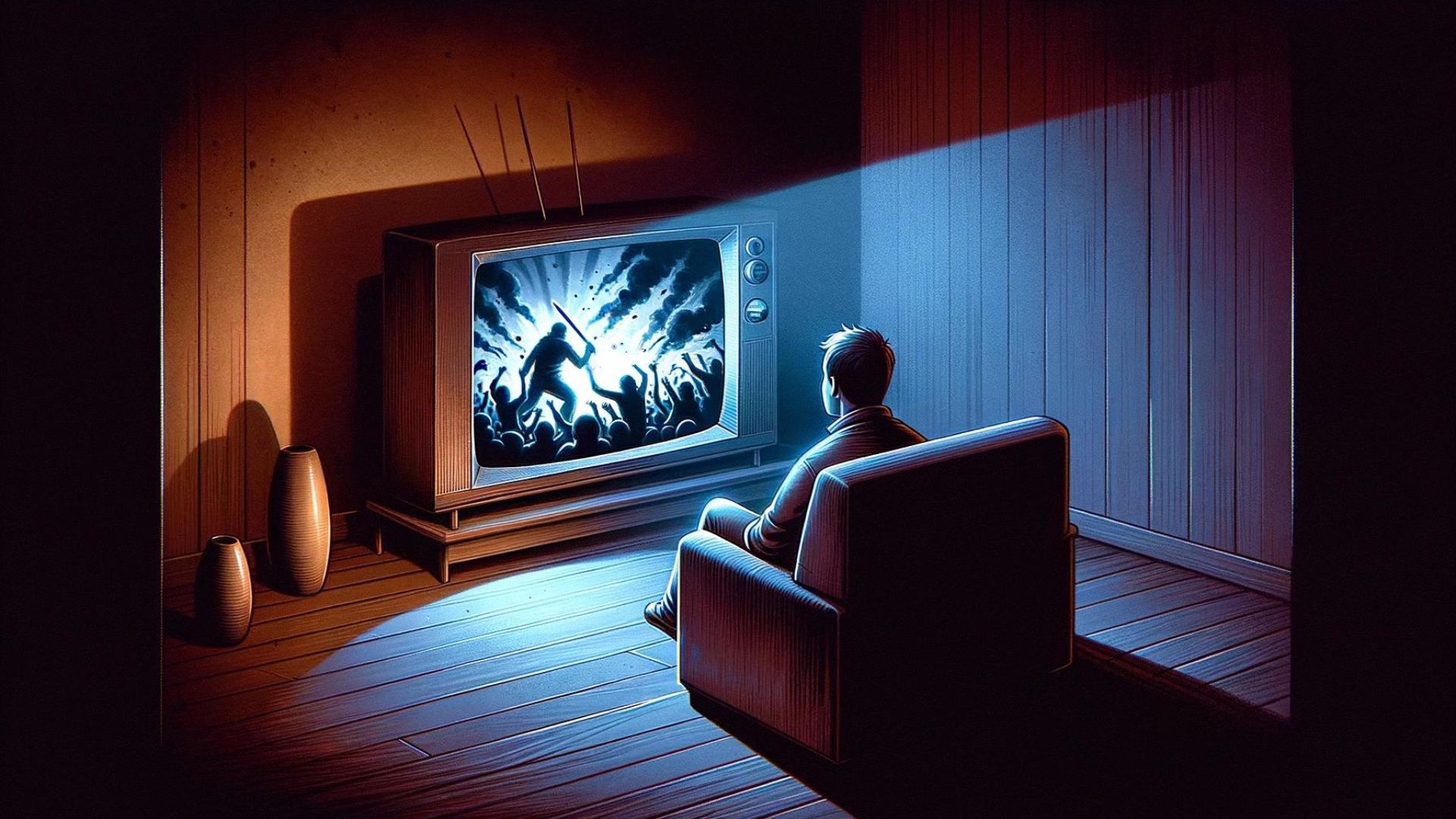
The Dilemma of Problematic Media: Can We Separate Art from Morality?
From Quentin Tarantino's blood-soaked films to video games glorifying violence, we're constantly confronted with media that pushes boundaries. Can we appreciate these works while acknowledging their potentially harmful elements? This question has sparked ongoing debates about the ethics of media consumption.
The Appeal of the Dark Side
There are various reasons why we might be drawn to morally questionable media:
- Thrill and Excitement: Violence, transgression, and the exploration of darker themes can create adrenaline-fueled experiences, offering an escape from the mundane.
- Catharsis: Fictional violence might provide a safe outlet for aggressive impulses or allow us to confront difficult emotions.
- Artistic Value: Some works may skillfully depict violence to make a broader commentary on society or human nature.
Potential Concerns
However, there are legitimate concerns about the impact of problematic media:
- Desensitization: Repeated exposure to violence or morally ambiguous content might desensitize us to real-world suffering.
- Normalization of Harmful Behaviors: The portrayal of violence, cruelty, or exploitation could normalize these behaviors, especially for impressionable viewers.
- The Line Between Fiction and Reality: Some individuals may struggle to distinguish between fantasy and reality, potentially leading to harmful actions.
A Case-by-Case Approach
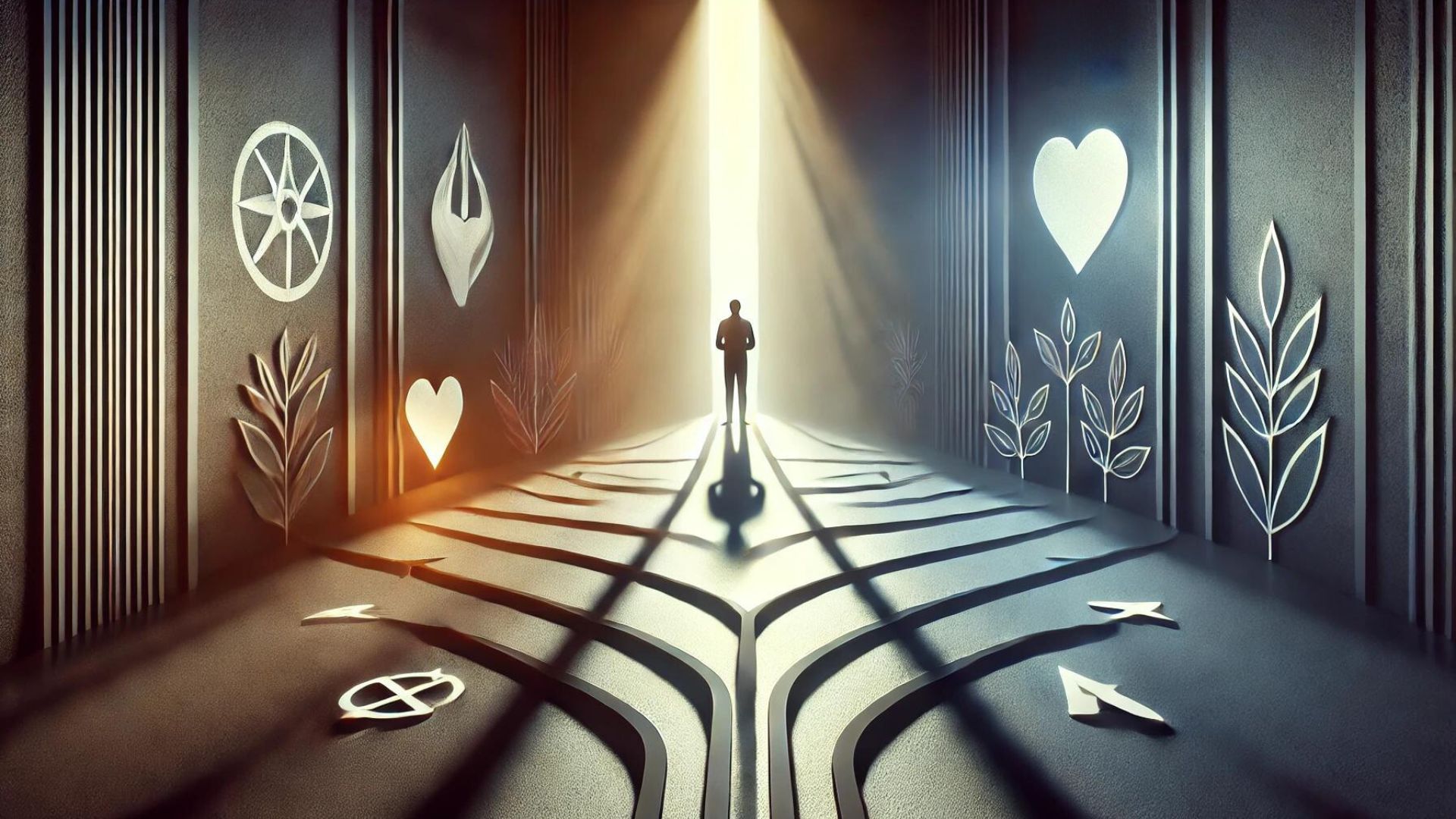
It's impossible to issue a blanket statement on whether consuming problematic media is right or wrong. Instead, a mindful and critical approach is crucial:
- Context Matters: The intent behind a work, the way violence is portrayed, and whether it's used merely for shock value or for thoughtful social commentary can influence our ethical stance.
- Media Literacy: Cultivating media literacy skills helps us analyze and deconstruct what we consume, rather than passively accepting messages.
- Personal Boundaries: It's important to be aware of your own sensitivities and limits. If something makes you deeply uncomfortable, it's okay to disengage.
The Ongoing Conversation
The debate surrounding media ethics isn't going away anytime soon. As consumers, we have a responsibility to engage with the issue critically. Here are some questions to ponder:
- Do the creators intend to glorify harmful behaviors, or are they seeking to provoke critical thought?
- Can I separate my enjoyment of a work from acknowledging its problematic elements?
- How might this media influence my own behaviors and those of others?
In Conclusion
There's no simple answer on whether to enjoy problematic media. Rather than seeking a definitive yes or no, it's a matter of thoughtful engagement, self-awareness, and recognizing the potential power of the stories we consume to shape our perceptions.





0 Comments