Get a grip on the confusing words “hard” and “hardly.” Learn their meanings, how to use them correctly, and see real-life examples.

Get a grip on the confusing words “hard” and “hardly.” Learn their meanings, how to use them correctly, and see real-life examples.

Get beach-smart! Learn the difference between “beach,” “shore,” and “coast,” with plenty of examples to avoid seaside confusion.

Confused about the difference between “alone” and “lonely?” Explore the subtle meanings of these words and others like “solitary” with real-life examples.
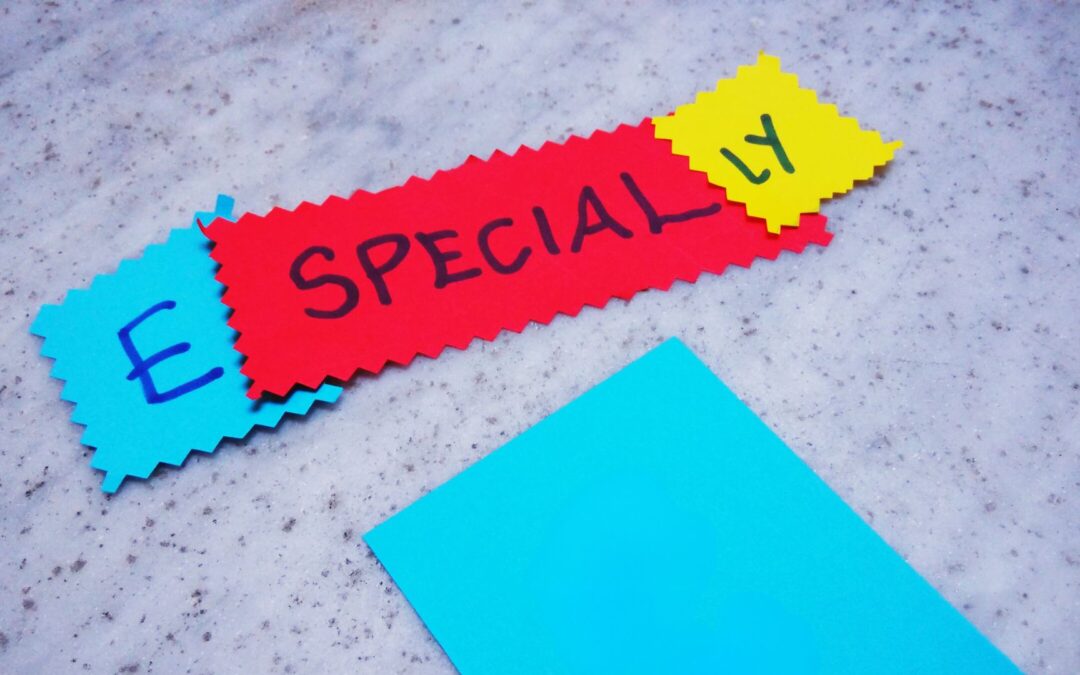
Get the lowdown on “especially” vs. “specially.” Clear explanations and real-world examples will ensure you’ll never mix these words up again!

Get confused by ethic, ethics, and ethical? Learn the distinctions between these words and how to use them correctly in your writing.

Explore the different ways we use the word “hope” in everyday English. From expressing desires to uncertain expectations, get examples and explanations!

Struggling with the difference between “sale”, “for sale”, and “on sale”? This guide clarifies their meanings and helps you use them correctly in everyday situations.
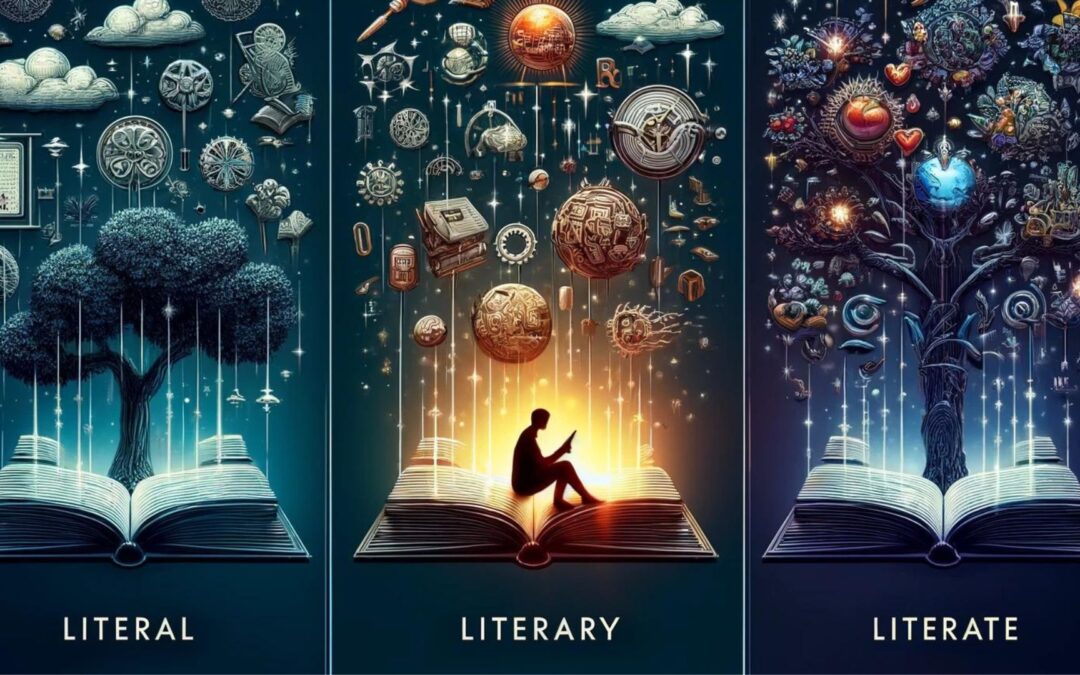
Get the scoop on “literal,” “literary,” and “literate.” Learn the difference with real-life examples and avoid common word mix-ups!

Get the hang of using “enough” correctly in English. This guide explains its roles as an adjective, adverb, determiner, and pronoun, with plenty of examples.

Get the scoop on the often-confused words “misused,” “disused,” and “unused.” Learn their distinct meanings and master their proper usage.

Explore the profound weight of grief and memory in “The Weight of an Empty Room.” Follow Elara as she confronts her late husband’s study, uncovering hidden secrets and navigating the path toward integrating loss into life. A literary short story about love, absence, and discovery.
Master the nuanced art of English communication with this advanced vocabulary quiz. Learn to identify and use euphemisms and understatements in real-world contexts to elevate your language skills.

Dive deep into the meaning of “All’s well that ends well.” Discover how this timeless phrase is more than just a sigh of relief—it’s a powerful tool for navigating life’s chaotic journey with optimism and strength.

Explore the thrilling Persian myth of Bahram, the divine warrior yazata of victory. Journey into ancient Zoroastrian lore to uncover a story of cosmic battles, divine transformations, and the timeless fight for righteousness written in the stars.
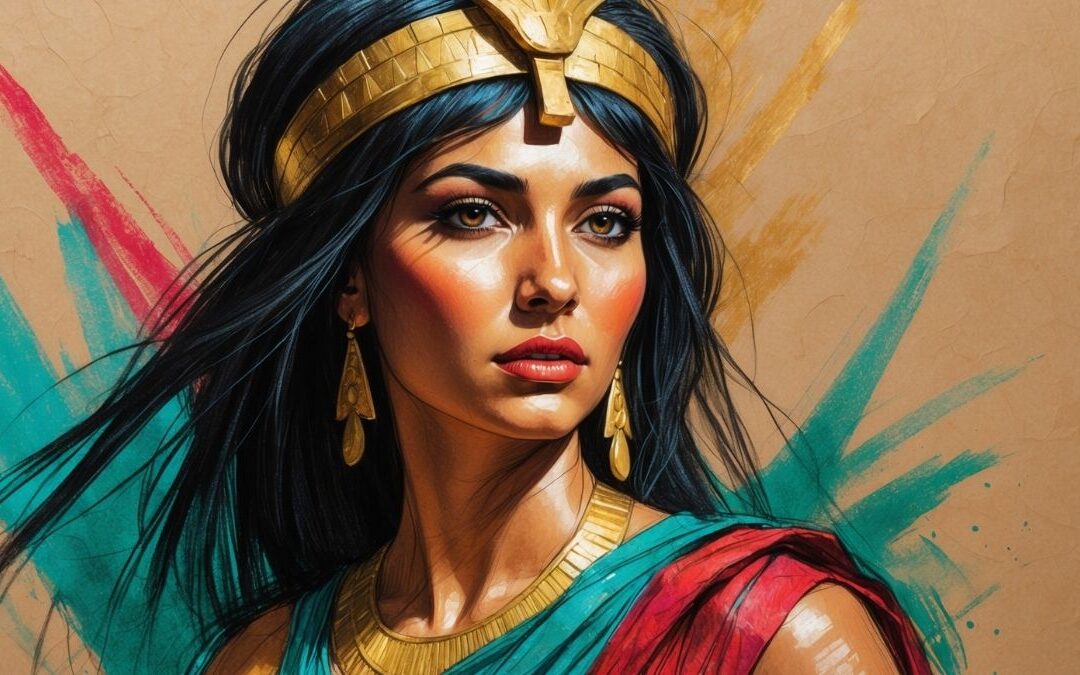
Go beyond the myths of seduction and suicide to uncover the truth of Cleopatra’s reign. Discover how the last pharaoh of Egypt was a brilliant political strategist, a master of economics, and a formidable leader fighting for her kingdom’s survival.

What if a painting could become a doorway, or a song could heal a wound? Explore the fantastical idea that art could alter reality, and discover the surprising ways in which it already does, shaping our world one creation at a time.