
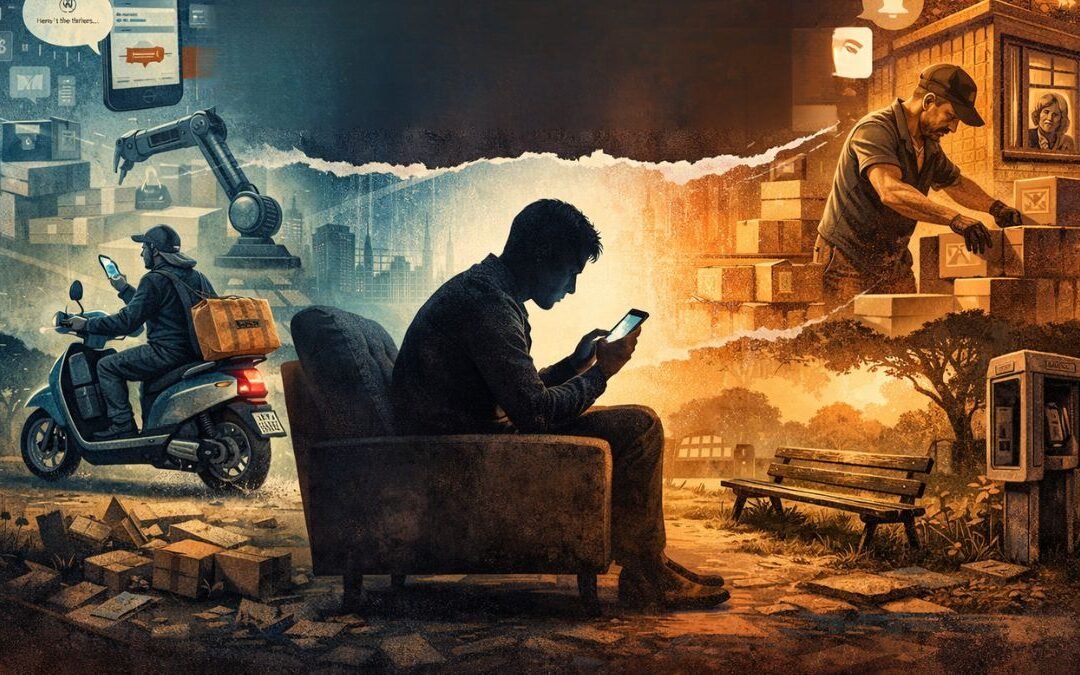
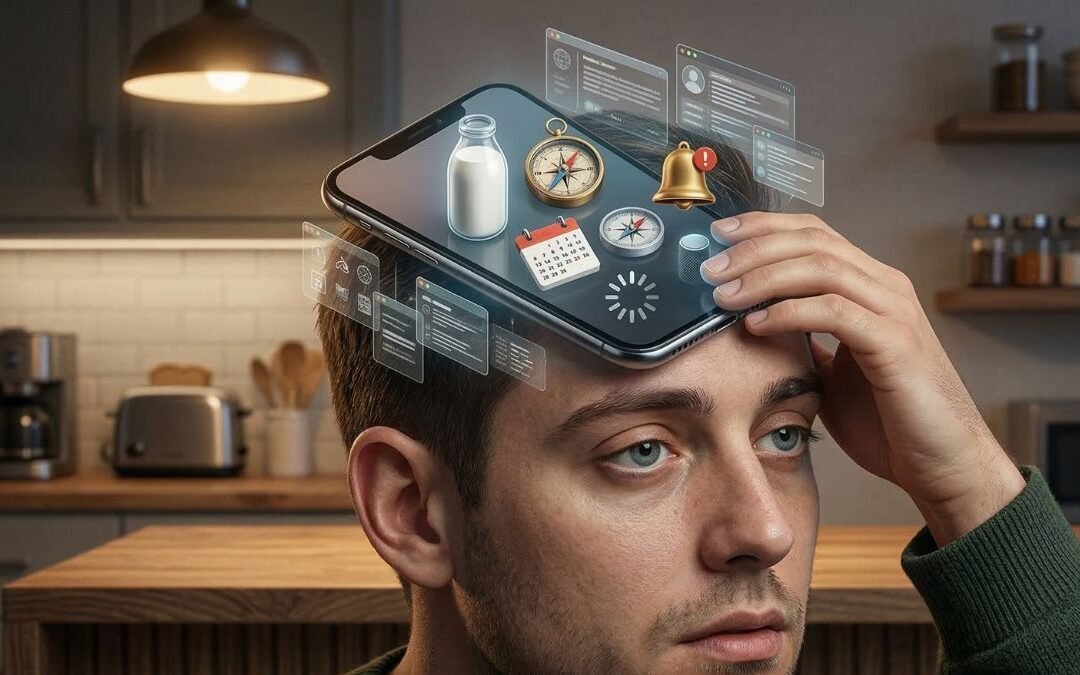
There’s something unsettling about catching yourself staring blankly at a screen, having consumed hours of content only to realize… nothing stuck. Your brain feels like a foggy mess, thoughts slipping through your fingers like water. And yet, the doomscrolling continues. Welcome to the modern phenomenon affectionately (or terrifyingly) called brain rot—a term that might sound like the title of a bad horror movie but is very much a real concern.
Now, to be clear, your brain isn’t literally rotting. This isn’t some sci-fi nightmare where our minds dissolve into mush because we spent too much time watching TikTok dance trends. Brain rot is more of a feeling—a state of mental exhaustion, reduced attention span, and an overwhelming sense that deep thinking has been replaced by passive consumption. And if that sounds familiar, you’re not alone.
We live in an era where information is everywhere, yet true engagement with that information is fading. It’s never been easier to access content, and paradoxically, it’s never been harder to retain or process it meaningfully. We’re bombarded with short-form videos, endless streams of tweets, algorithmically curated news, and a constant pressure to stay updated. Our minds are overstimulated but undernourished, leaving us in a strange limbo where we know of many things but understand very little.
At some point, we stopped learning for depth and started consuming for speed. We skim. We scan. We absorb headlines, not articles. We take in clips, not full discussions. We watch breakdowns of books instead of reading them. It’s the equivalent of snacking all day but never sitting down for a real meal. And just like with junk food, the results are predictable: low energy, irritability, and the nagging suspicion that our brains might actually be turning into slush.
But let’s not panic just yet. Brain rot isn’t permanent. It’s reversible. And the first step to curing it is recognizing it for what it is.
Have you ever felt like your ability to focus has dramatically declined? That reading even a few pages of a book feels like a Herculean task? That finishing a single episode of a show without grabbing your phone is next to impossible? These aren’t random quirks; they’re symptoms of how our digital habits have rewired our attention spans. The more we expose ourselves to rapid-fire content, the more our brains adapt to that pace. Long-form content—whether it’s books, deep conversations, or even just sitting with our thoughts—starts to feel unnatural.
The irony, of course, is that we convince ourselves we’re staying informed. We tell ourselves that watching a hundred one-minute videos on politics or history means we’re engaged with the world. But the reality? We’re drowning in fragmented knowledge, convinced we’re swimming.
So, what’s the solution? Well, it’s not about abandoning technology or swearing off social media (let’s be real, that’s not happening). It’s about being more intentional with our consumption. Give your brain space to breathe. Read something substantial, even if it’s just a few pages a day. Watch something without the urge to check your phone. Engage in discussions that require more than just a reactionary take. The goal isn’t to reject modern content but to balance it with depth and critical thinking.
Brain rot thrives on passive consumption. The cure? Active engagement. And that starts with making small, deliberate changes in how we interact with information.
Now, if this whole topic has struck a nerve (or made you stare at your screen questioning all your life choices), you’re in luck. I’ve done a deep dive into this very subject in a full podcast episode, exploring the science, the causes, and the ways to fight back. So, if you want to go beyond this quick read and really sink your teeth into it, go check out the episode. Your brain will thank you.








0 Comments