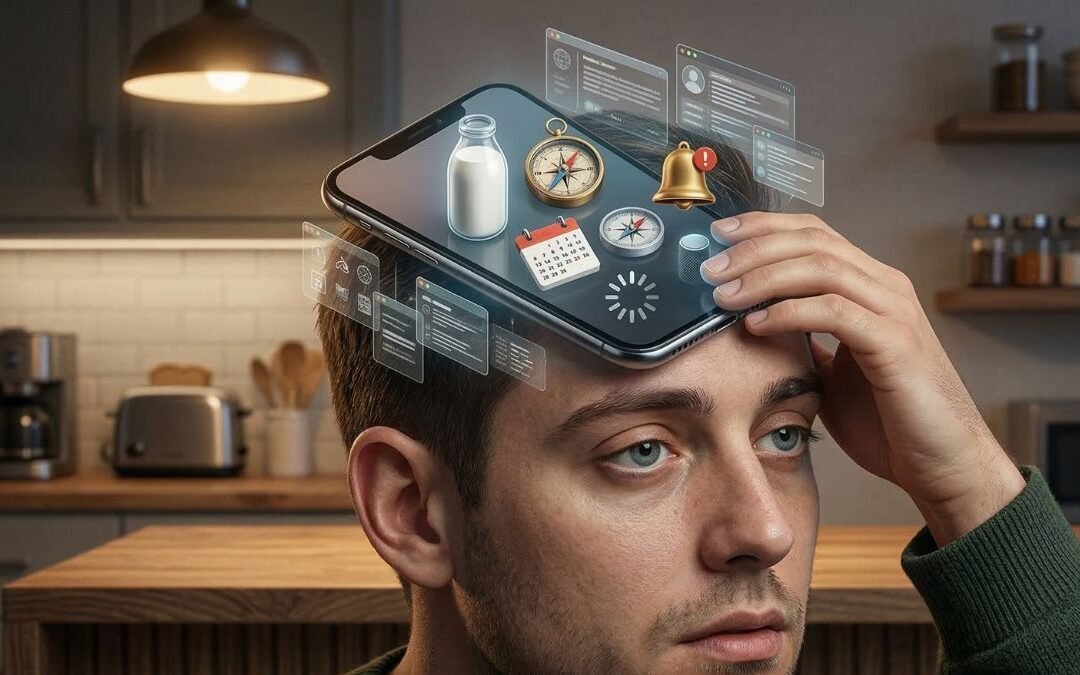
You might think “interpolate” is just a math term, but this word holds a beautiful secret about how we navigate uncertainty every single day. From filling in gaps in data to filling in gaps in conversations, interpolation is something we all do — we just didn’t know the word for it.
Have you ever tried to figure out what happened in a story when someone skipped a chapter? Or guessed what a friend meant from just a look — no words needed? If so, congratulations: you’ve been interpolating your whole life.
So what does “interpolate” actually mean? In its technical sense, to interpolate means to estimate an unknown value by using known values on either side of it. If you know the temperature was 20 degrees at noon and 30 degrees at 4 p.m., you might interpolate that it was around 25 degrees at 2 p.m. You’re not guessing wildly — you’re making an educated estimate based on what you do know.
But here’s where it gets really interesting. Interpolation isn’t just math. It’s a life skill.
Think about how you read people. Someone walks into a room, and you notice their body language, the tone of their voice, the speed of their words. You don’t have the full story — you never do — but you piece together what’s going on from the data points you have. That’s interpolation. You’re filling in the blanks between what’s said and what’s meant.
Or consider how we understand history. We don’t have a complete record of everything that ever happened. We have fragments — documents, artifacts, partial accounts. Historians interpolate all the time, building a narrative from the pieces they can find. The story of civilization is, in many ways, an interpolation.
Now, the word itself comes from Latin — “interpolare,” which originally meant to refurbish or alter, and later evolved to mean inserting something into an existing framework. And isn’t that a beautiful concept? To take what exists and gently fill in what’s missing, not by inventing wildly, but by reasoning from what’s already there.
But here’s the caution — and this is important. Interpolation works best when the surrounding data is reliable. If your known points are wrong, your estimates will be wrong too. In life, this translates to something powerful: the quality of your assumptions depends on the quality of your observations. If you’re not paying attention to the right signals, the story you fill in between them might be completely off.
This is why interpolation — as a concept, not just a calculation — teaches us to be better observers. It asks us to look carefully at what we know before we start guessing about what we don’t. It rewards patience, attention, and humility.
And there’s something poetic about it too. Every conversation has gaps. Every relationship has unspoken chapters. Every life has moments we’ll never fully understand. But we keep going, keep connecting the dots, keep building meaning from the fragments we’re given. That’s interpolation at its most human.
So here’s my question for you: can you think of a time when you interpolated something in your life — when you filled in a gap and got it right, or maybe got it wonderfully wrong? I’d love to hear your stories — share them with us in the comments below.