
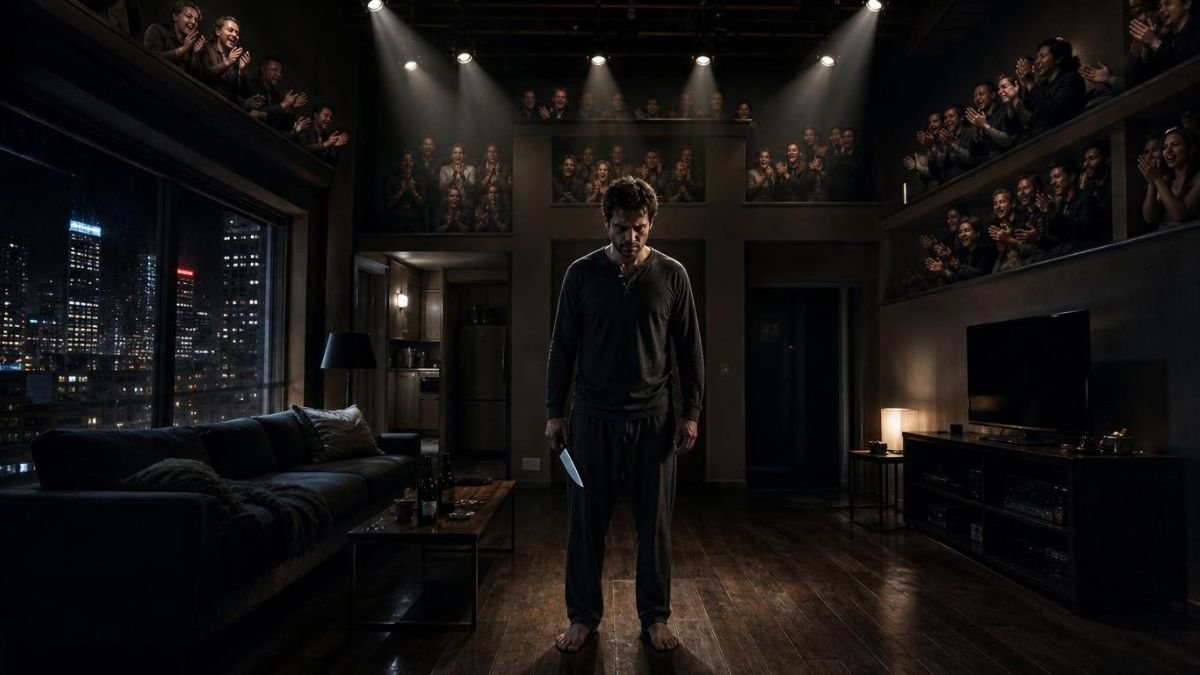
The calendar has flipped, and suddenly the world has decided to engage in a collective conspiracy of cheer. Everywhere you turn, there is an assault on the senses—a relentless, glittering campaign demanding that you be merry. The airwaves are hijacked by jingling bells, the streets are choked with aggressive lighting displays, and there is a pervasive, unspoken mandate that you must be surrounded by family, enveloped in warmth, and bursting with gratitude. But for a significant portion of the population, this season does not bring a surplus of joy; it brings a magnifying glass to what is missing. The contrast between the external cacophony of celebration and the internal silence of grief or isolation creates a dissonance that can be deafening.
We need to talk about the empty chair.
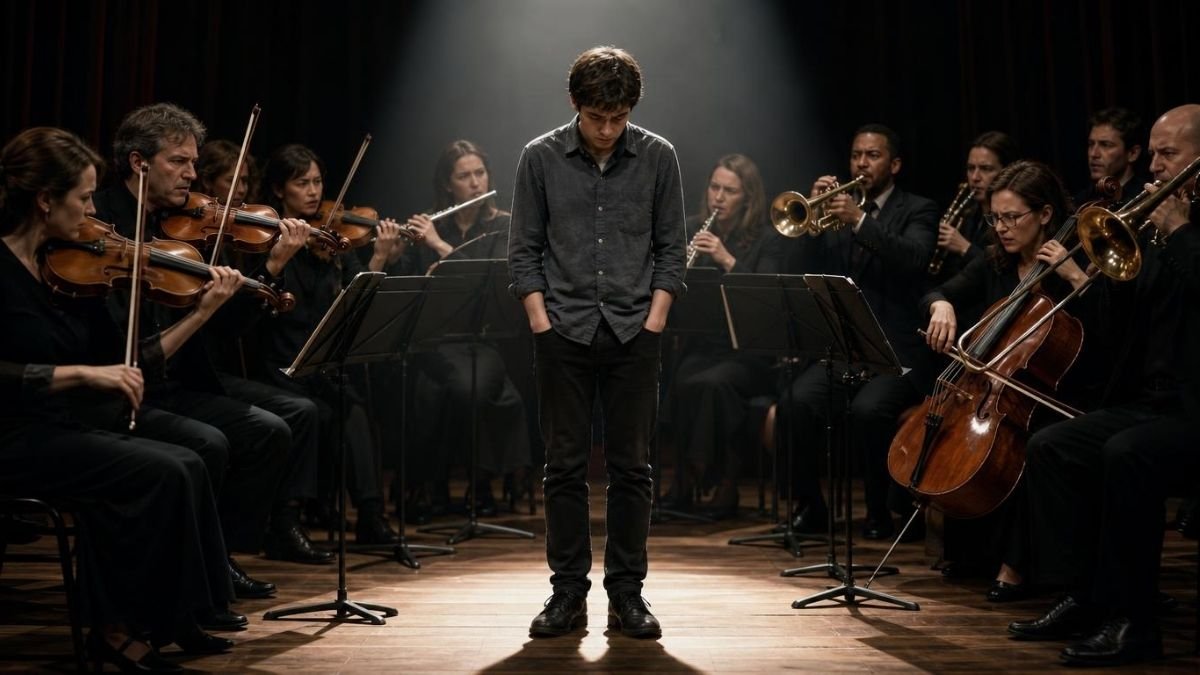
It sits at the metaphorical—and sometimes literal—dinner table, serving as a poignant reminder of loss, distance, or estrangement. While the commercials sell us a sanitized version of connection where everyone returns home and every conflict is resolved over a roasted turkey, reality is far messier. Navigating the holidays when you are grieving, or simply when you are alone, requires a level of emotional fortitude that is rarely acknowledged. Furthermore, for those on the outside looking in—the well-meaning friends and hosts—there is often a paralysis of action. We want to be inclusive, but we are terrified of saying the wrong thing, of dampening the mood, or of intruding. So, we often do nothing, leaving the isolated to drift further into the periphery.
The Tyranny of Enforced Joy
There is a unique kind of exhaustion that comes from pretending to be happy. It is a performance art that many perfect during December. The pressure to conform to the "most wonderful time of the year" narrative can make authentic emotions feel like a betrayal of the social contract. If you are sad in July, it is just a bad week. If you are sad in December, you are a Grinch. This stigmatization of sadness during the holidays is counterproductive. It forces genuine emotion underground, where it festers.
We have to dismantle the expectation that the holiday season functions as a pause button for real life. Grief does not look at the calendar and decide to take a vacation because Santa is coming to town. Anxiety does not recede just because there is tinsel on the banister. In fact, the sensory overload of the season often exacerbates these conditions. The first step in navigating this landscape is granting permission—to yourself and others—to opt out of the performance. Acknowledging that the season can be difficult is not an act of rebellion; it is an act of sanity.
The Art of Inclusive Hospitality
If you are in a position of abundance—emotional or social—you might feel the urge to "fix" the loneliness of others. This comes from a good place, but it often misses the mark. We tend to view the lonely person as a project, someone to be "cheered up." This dynamic is inherently unbalanced; it places the host in a position of power and the guest in a position of charity. Nobody wants to be the pity invite.
True hospitality is not about saving someone from their solitude; it is about offering a space where they can be themselves, whether that self is cheerful or melancholic. It is about the low-stakes invitation. A low-stakes invitation acknowledges the difficulty of the season. It sounds like this: "We are having dinner. We’d love to see you, but we also completely understand if you need some downtime. No pressure, the door is open if you change your mind."
This approach removes the obligation to perform. It gives the person an out, which, paradoxically, often makes them feel safe enough to come in. It validates their agency. Furthermore, we must become comfortable with the presence of grief in festive spaces. If someone mentions a deceased loved one during a holiday party, the room often freezes. We have been conditioned to believe that mentioning the dead kills the vibe. It does not. It honors the reality of the person’s experience. Acknowledging the empty chair—raising a glass to those not present, sharing a memory—can be an incredibly healing act of inclusion. It integrates the loss into the celebration, rather than forcing the grieving person to hide it in the coat check.
Reframing: The Shift from Loneliness to Solitude
There is a profound semantic and spiritual distinction between loneliness and solitude, yet we often use the words interchangeably. Language shapes our reality, and in this case, the distinction is the difference between suffering and peace. The theologian and philosopher Paul Tillich famously remarked that language "...has created the word 'loneliness' to express the pain of being alone. And it has created the word 'solitude' to express the glory of being alone."
Loneliness is passive. It is a state of deprivation, a feeling that something is missing, a craving for external validation or company to fill a void. It is the feeling of being abandoned by the world. Solitude, however, is active. It is a choice. It is the state of being alone without being lonely. It is a fullness of self.
During the holidays, the noise of the world reaches a fever pitch. In this context, reframing your experience from loneliness to solitude can be a radical act of self-care. It involves pivoting from a mindset of "I am stuck here by myself" to "I have been given a sanctuary from the chaos." This isn't about spiritual bypassing or pretending that missing people doesn't hurt. It is about reclaiming the time.
Finding Peace in the Festive Noise
How do we practically achieve this shift into solitude? It starts with intentionality. If you find yourself facing the holidays alone, do not let the day just "happen" to you. That is where the drift into loneliness occurs. Curate the experience. If the traditions of the past are too painful because they highlight who is missing, burn the script. Create a new ritual that belongs entirely to you.
Maybe it is hiking a trail you have never visited. Maybe it is cooking a meal that has nothing to do with traditional holiday food—make sushi, make tacos, make a reservation at the one Chinese restaurant that stays open. Read the book that has been gathering dust on your nightstand for six months. When you engage in activities that nourish your mind and spirit, you move from the deficit of loneliness to the asset of solitude.
There is also a spiritual dimension to this silence. The winter solstice, the root of many of these celebrations, is about the longest night. It is about darkness before the return of the light. There is value in the dark. There is value in the quiet introspection that winter demands. While the world tries to banish the dark with electric lights and manic activity, there is deep wisdom in sitting with it. The empty chair does not have to be a symbol of tragedy. It can be a space for memory, for reflection, and for the realization that connection is not limited to physical proximity.
A Note on the Digital Facade
We cannot discuss modern loneliness without addressing the digital elephant in the room. Social media during the holidays is a curated highlight reel of other people's purported happiness. We scroll through endless photos of matching pajamas, perfect roasts, and smiling multi-generational families. It is easy to look at a screen and conclude that everyone else has figured it out, that everyone else is loved and whole, and you are the only one struggling.
This is a lie. It is a carefully constructed facade. You are comparing your unedited behind-the-scenes footage with everyone else's trailer. If the digital window into other people’s lives is causing you pain, close the curtains. Disconnect. The reality is that many of the people posting those perfect pictures are also navigating complex family dynamics, financial stress, and their own sense of inadequacy.
The Courage to Connect
Finally, if you are alone and you do not wish to be, there is courage involved in reaching out. It is terrifying to say, "I am lonely." It feels like an admission of failure. But vulnerability is often the key that unlocks connection. You might be surprised to find that others are in the same boat, waiting for someone else to break the ice. Community is not always something you find; often, it is something you have to build, brick by awkward brick.
The holidays are ephemeral. They arrive with a bang and fade into the gray of January. Whether you spend them surrounded by noise or in the quiet of your own company, remember that your worth is not measured by the number of greeting cards on your mantelpiece or the number of people at your table. The empty chair is a part of life. Acknowledge it, respect it, but do not let it dictate your peace. You are allowed to find joy in the solitude, you are allowed to grieve amidst the celebration, and you are allowed to simply be.
Focus on Language
Let's walk through the landscape of the words we just used. You know, when we talk about sophisticated English, we often think it means using long, complicated words just to sound smart, but that’s not really the goal. The goal is precision. We want to use words that paint a very specific picture, one that a simpler word just can't capture.
Take the word cacophony, for example. We used this right at the beginning to describe the holidays. I could have said "loud noise," and you would have understood me. But "loud noise" could be a jet engine or a rock concert. Cacophony implies a harsh, discordant mixture of sounds. It’s chaotic. It’s the sound of three different Christmas carols playing from three different stores in the mall while a baby cries and a bell rings. It’s a mess of sound. In real life, you can use this to describe anything that lacks harmony. A classroom of screaming toddlers is a cacophony. A political debate where everyone interrupts each other? Absolute cacophony.
Then we talked about enforced joy. This is a powerful concept. To enforce something is to compel observance of it, like a law. When we talk about enforced happiness or joy, we are describing that pressure where society acts like a policeman, demanding you smile. It makes the emotion feel mandatory rather than natural. You can use this in many contexts. You might talk about "enforced socialization" at a work retreat—where you have to mingle even if you hate it. It adds a layer of unwillingness to the action.
Moving deeper into the emotional side, we used the word poignant. This is a beautiful word that is often misused. It doesn't just mean "sad." It means evoking a keen sense of sadness or regret; it’s sharp. A poignant reminder isn't just a bummer; it pierces you. Seeing the empty chair is poignant. Finding an old letter from an ex-lover is poignant. It touches a nerve. Use this when something emotional hits you with precision and clarity, specifically related to the passage of time or loss.
We spent a lot of time distinguishing loneliness from solitude. Solitude is the state of being alone, but usually, it implies a positive state. It’s peaceful. If you say, "I’m suffering from loneliness," I feel bad for you. If you say, "I’m enjoying my solitude," I’m probably jealous of you. In your daily life, fight for your solitude. You can say, "I need a weekend of solitude to recharge." It sounds much more dignified and intentional than saying, "I’m going to hide in my house."
We also warned against living vicariously. Now, usually, we say "living vicariously through someone," which means experiencing something through another person's actions. If you watch a travel vlogger and feel the thrill of the hike, that’s a vicarious thrill. In the article, we touched on this regarding social media. We watch other people's "perfect" holidays and try to feel that connection, or we feel the lack of it. It’s an imaginative participation in the experience of others.
Let's talk about stigma. We mentioned the stigma of sadness. A stigma is a mark of disgrace associated with a particular circumstance, quality, or person. Society puts a stigma on being alone at Christmas. It treats it like a failure. We see stigmas everywhere—the stigma around mental health, the stigma of unemployment. Breaking a stigma means normalizing the conversation, which is exactly what we are trying to do here.
We described the holidays as ephemeral. I love this word. It comes from the Greek word for "lasting only one day." It means lasting for a very short time. The holidays feel huge, but they are ephemeral; they are here and then gone like smoke. Flowers are ephemeral. Youth is ephemeral. A viral trend on TikTok is the definition of ephemeral. It’s a great word to use to remind yourself or others that a difficult situation won't last forever.
We also encouraged introspection. This is the examination or observation of one's own mental and emotional processes. It’s looking inward. Winter is a time for introspection. It’s the opposite of being extroverted or looking outward for validation. If someone asks you why you are being so quiet, you can say, "I'm just in a mood for some introspection." It frames your silence as an intellectual activity rather than just being moody.
We warned about the digital facade. A facade is literally the face of a building, usually the one looking onto the street. Metaphorically, it’s a deceptive outward appearance. Someone can maintain a cool facade while they are panicking inside. Social media is a facade. It’s the painted front of the building that hides the messy rooms inside. When you call something a facade, you are calling it out as superficial or fake.
Finally, we talked about finding a respite. A respite is a short period of rest or relief from something difficult or unpleasant. The solitude can be a respite from the noise. A weekend away can be a respite from work. It’s a breather. We all need respite, especially when the "cacophony" gets too loud.
Now, let's move into the speaking aspect of this. Knowing these words is one thing, but using them to navigate a conversation is another. Specifically, let's talk about the skill of validating without fixing. This is a high-level communication skill. When someone tells you they are lonely or sad during the holidays, the instinct is to fix it. We say things like, "Oh, don't be sad! You can come to us!" or "Cheer up, it's Christmas!"
This is well-intentioned, but it often silences the person. Instead, I want you to practice the "I notice" and "It makes sense" technique. It uses the vocabulary of empathy.
If someone says, "I'm dreading the holidays without my dad," instead of offering a solution, try saying: "It makes so much sense that this time of year feels poignant for you. The contrast between the festive noise and your grief must be exhausting."
See what we did there? We used poignant correctly. We acknowledged the contrast. We didn't try to fix it. We validated it.
Here is your challenge. I want you to identify one person in your life who might be facing an "empty chair" situation—whether literal or metaphorical. It could be a friend who went through a breakup, a neighbor who lives alone, or a relative who lost a job. I want you to send them a "low-stakes" message. Do not ask them to do anything. Do not demand their time. Just offer a moment of connection.
Write something like: "Thinking of you. I know this season can be a bit of a cacophony of madness, so I hope you're finding some moments of solitude and peace. No need to reply, just wanted to send some warmth."
That’s it. You use the vocabulary, you offer connection, but you respect their space. That is advanced communication.
Let's Discuss
Here are five questions to spark some deep thinking. I want you to take these not just as questions to answer, but as starting points for a debate with yourself or others in the comments.
1. Is the "holiday spirit" actually becoming a barrier to authentic connection?
Think about the concept of "enforced joy" we discussed. Does the pressure to be happy make us hide our real selves? If we are all wearing masks of happiness, can we truly connect with each other? Consider if a "Sad Christmas" might actually be more bonding than a "Merry" one if it’s honest.
2. Where is the line between healthy solitude and dangerous isolation?
We romanced solitude a bit in the article, reframing it as spiritual. But when does that become a trap? If you are telling yourself you are "practicing solitude," are you actually just avoiding the hard work of vulnerability? How do you know when you’ve crossed the line from self-care to self-imprisonment?
3. Is the "Empty Chair" purely a result of loss, or is it sometimes a result of our own choices?
This is a tough one. Sometimes the chair is empty because someone died. But sometimes it’s empty because we burned bridges, or because we prioritized work over relationships for years. To what extent should we take responsibility for our loneliness during the holidays, and does taking responsibility make it easier or harder to bear?
4. Is inviting a lonely person to your family gathering an act of kindness or an act of selfishness?
This challenges the "Good Samaritan" narrative. Are you inviting them because you want them there, or because you want to feel good about yourself for inviting them? Does the guest become a prop in your "perfect charitable family" play? How can we tell the difference between pity and genuine hospitality?
5. How does consumerism weaponize our fear of being alone?
Look at holiday commercials. They almost always sell products by showing large, happy groups of people. The subtle message is: "If you buy this, you will have this community." How does the economy rely on us feeling lonely to sell us things? Is the "holiday blues" partly a manufactured condition designed to make us shop for comfort?
Critical Analysis
Okay, let's take a step back and look at this article with a colder, sharper eye. I’ve read through the piece, and while the reframing of loneliness into solitude is a beautiful, stoic concept—very Paul Tillich, very philosophical—we have to ask: is it practical? Or is it a form of spiritual bypassing?
The article leans heavily on the idea that you can think your way out of loneliness. It suggests that by changing your mindset, you transform the pain of isolation into the glory of solitude. That is a lovely thought for someone who is introverted, financially stable, and perhaps just dealing with a temporary bout of holiday blues. But what about systemic loneliness? What about the elderly person who literally cannot leave their apartment? What about the person who is lonely because they are marginalized by their community due to their identity? Telling them to "curate their experience" and "find peace in the dark" borders on dismissing their material reality. Solitude is a luxury of the comfortable. If you are starving for human touch, calling it "solitude" doesn't fill your belly.
Furthermore, the article demonizes the "performance" of happiness. It calls it a "tyranny." But let's play the other side. Isn't there social value in the performance? If everyone walked around dumping their raw, unfiltered grief onto everyone else at the Christmas party, the social fabric might tear. Sometimes, the "fake it ‘til you make it" approach is what holds communities together. We perform rituals not because they match our internal feelings, but because the ritual itself is a container that holds us up when we are weak. By attacking the "performance," are we underestimating the value of tradition and social cohesion?
And finally, the advice on "low-stakes hospitality" is excellent, but it ignores the awkward truth that sometimes, people are burdens. I know, that sounds harsh. But caring for the grieving or the profoundly lonely is heavy lifting. It drains the host. The article paints this picture where a simple text message solves the inclusion gap. Real inclusion is messy, it's exhausting, and it often ruins the "vibe." The article smooths over the cost of compassion. Real compassion costs you something—your comfort, your perfect family dinner, your energy. We need to acknowledge that cost, or we are just selling a fantasy of easy kindness.







0 Comments