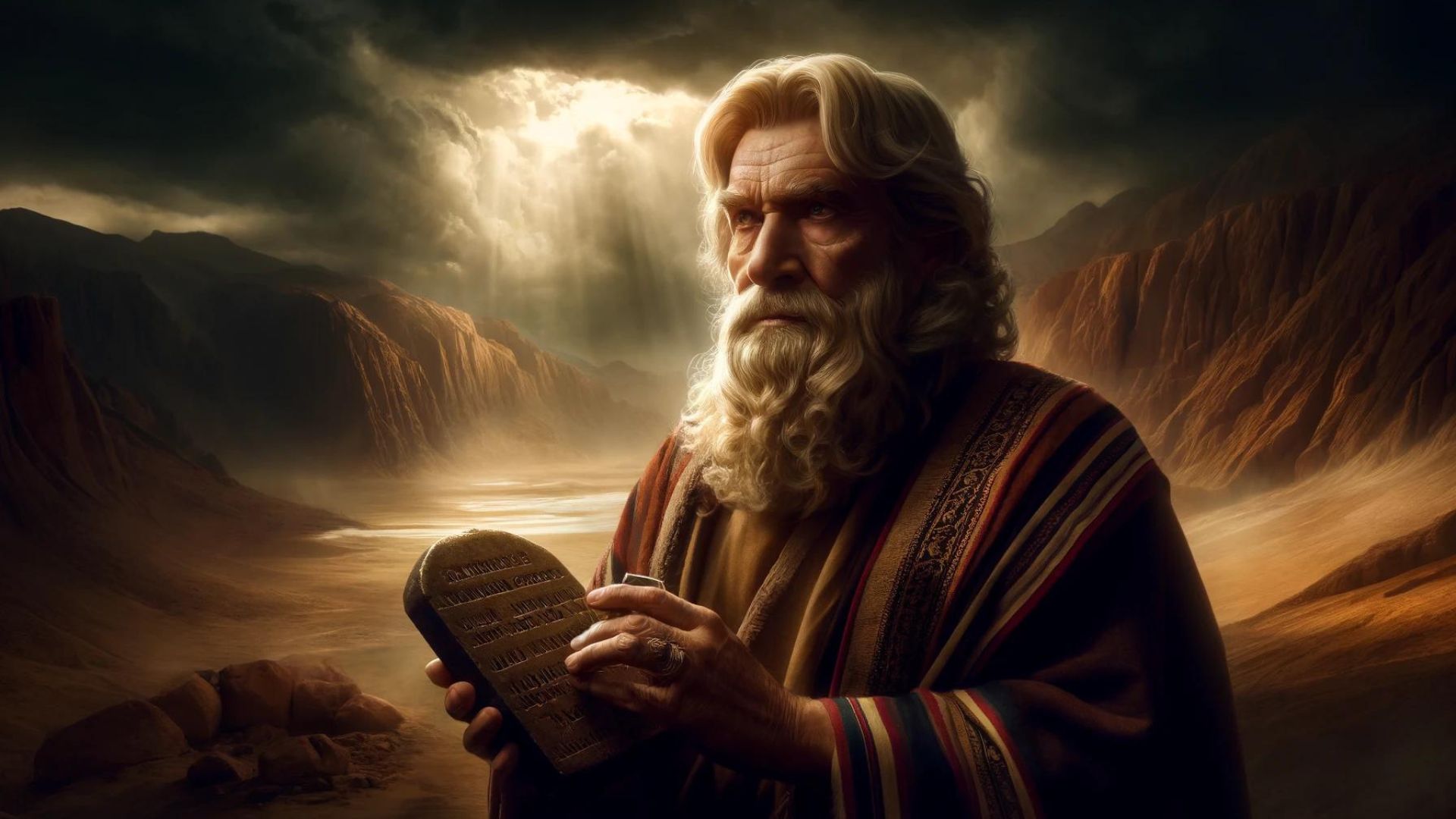
Moses: A Figure of Faith and Transformation
Moses stands as one of the most influential figures in the history of Western civilization, revered as a prophet, lawgiver, and liberator. His life story has shaped the foundations of Judaism, Christianity, Islam, and beyond, influencing countless lives for centuries.
Early Life and Divine Calling
The biblical Book of Exodus paints a vivid picture of Moses' extraordinary origins. Born a Hebrew in a time when his people were enslaved in Egypt, he was miraculously spared from a deadly decree against newborn Hebrew males. Raised as an Egyptian prince, a profound encounter with God later transformed his path, leading him to challenge the Pharaoh and to demand the freedom of his people.
The Exodus and the Ten Commandments
Moses is perhaps most famous for his role as the liberator of the Israelites from Egyptian bondage. The miraculous events of the Exodus, including the parting of the Red Sea, cemented his status as a prophet of God, guiding his people through the wilderness towards the Promised Land.
On Mount Sinai, Jewish tradition holds that Moses received the Ten Commandments, the foundational set of laws forming the core of the Torah and shaping ethical and religious codes for generations.
Greatest Achievements and Influences
Moses' achievements extend far beyond the events of his own life:
- Foundation of Monotheism: Moses is credited with solidifying and emphasizing monotheism within the Jewish faith, a concept that would strongly influence the development of Christianity and Islam.
- Codification of Law: The Ten Commandments and other Mosaic laws established an ethical and legal framework that shaped Judaism and continues to influence Western legal concepts.
- Symbol of Liberation: The Exodus story with Moses at its center has inspired liberation movements throughout history, from early abolitionists to modern-day advocates of social justice.
Historical vs. Religious Figure
While Moses holds immense religious significance, his existence as a historical figure is a subject of debate among scholars. Archaeological evidence surrounding the Exodus remains inconclusive. Regardless of his historicity, the figure of Moses has exercised undeniable power, inspiring faith, shaping ethics, and serving as a symbol of hope and liberation for millennia.
Moses' Enduring Legacy
Whether viewed as a literal prophet or a symbolic figurehead, Moses' impact is undeniable. His story and teachings form the bedrock of major world religions, and his image continues to resonate in art, literature, and political discourse. In a world often grappling with issues of justice, freedom, and spirituality, Moses remains a potent symbol of faith, leadership, and the enduring human quest for a better world.








0 Comments