Unmasking Identity: Emily Dickinson’s “I’m Nobody! Who are you?”

by | May 6, 2024 | Poetry

I’m Nobody by Emily Dickinson

I’m Nobody! Who are you?
Are you – Nobody – too?
Then there’s a pair of us!
Don't tell! they'd advertise – you know!

How dreary – to be – Somebody!
How public – like a Frog –
To tell one’s name – the livelong June –
To an admiring Bog!

The Paradox of Being Nobody: Emily Dickinson’s Cryptic Poem

On the surface, Emily Dickinson’s “I’m Nobody! Who are you?” reads like a whimsical declaration of non-importance. But within those short, playful lines lies a depth that invites us to question our understanding of identity, social norms, and the power of solitude.

A Celebration of the Unseen

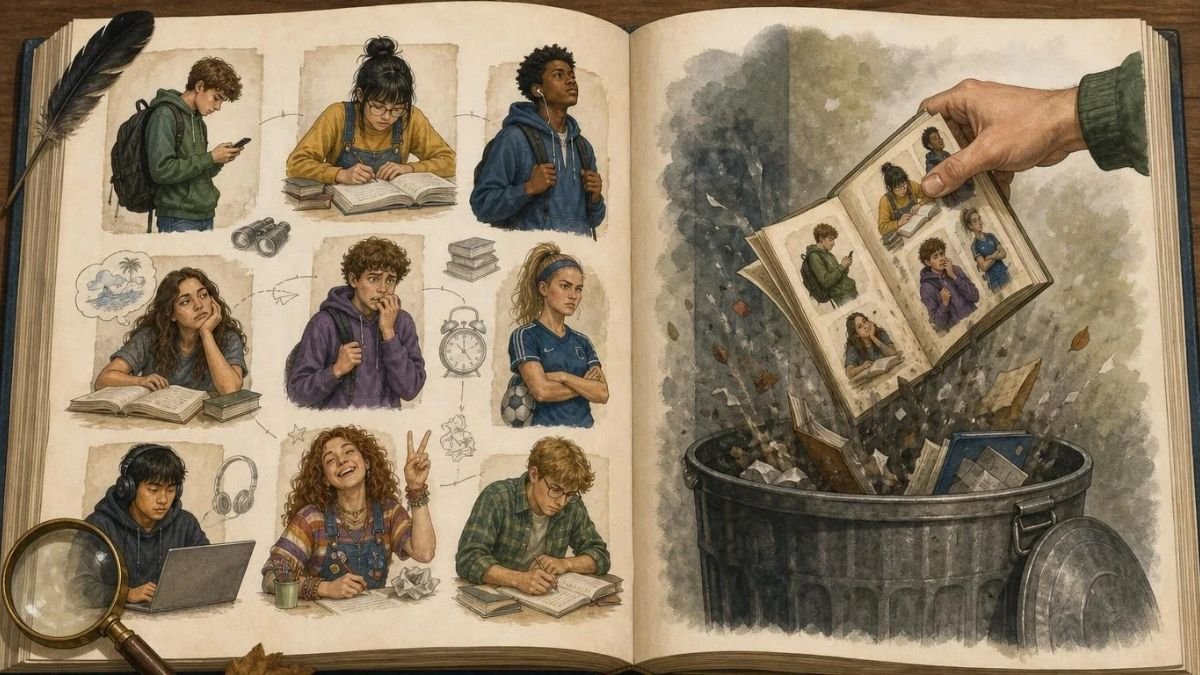
Dickinson boldly declares herself a “Nobody.” This isn’t self-deprecation but a defiant embrace of the overlooked and the quiet. Society celebrates the “Somebodies,” the loud and the prominent, while those who live on the margins are often rendered invisible. Dickinson challenges this hierarchy, finding empowerment in her outsider status.

The Dangers of Conformity

“How dreary – to be – Somebody!” Dickinson hints at the suffocating nature of social conformity. Blending into the crowd, becoming a nameless “Somebody” requires suppressing one’s individuality. There’s a subtle critique of the relentless pursuit of fame and social validation.

Shared Anonymity

The poem becomes a conversation between the speaker and the reader: “Are you – Nobody – too?” This direct address pulls us into Dickinson’s world. She suggests a secret society of “Nobodies,” those who value introspection and authenticity over external recognition.

Finding Freedom Outside the Spotlight

Dickinson compares “Somebodies” to croaking frogs, annoyingly publicizing their existence to a disinterested “admiring Bog.” In contrast, those embracing their anonymity find freedom from judgment and the pressure to perform.

The Poet as a “Nobody”

Dickinson herself lived a largely reclusive life, rarely publishing her poems. Perhaps her “Nobody” persona mirrors her own unconventional existence and her rejection of traditional paths to literary fame.

The Legacy of “I’m Nobody!”

Dickinson’s poem continues to resonate because it taps into a universal human tension: the desire to belong and the simultaneous longing for individuality. Her playful lines remind us that our deepest truths might exist outside of the social spotlight. There’s joy to be found in the unconventional, the solitary, and the seemingly insignificant.

0 Comments

Submit a Comment

This site uses Akismet to reduce spam. Learn how your comment data is processed.

<a href="https://englishpluspodcast.com/author/dannyballanowner/" target="_self">English Plus</a>

English Plus

Author

English Plus Podcast is dedicated to bring you the most interesting, engaging and informative daily dose of English and knowledge. So, if you want to take your English and knowledge to the next level, you're in the right place.

You may also Like

Recent Posts

When the Bells Stop Ringing 8 | The Spice of Memory

When the Bells Stop Ringing 8 | The Spice of Memory

Berlin in December is gray, damp, and smells of wet wool. For Fatima, a refugee from Aleppo, the city feels impossibly cold and distant. Desperate for a sense of home on Christmas Eve, she opens a jar of seven-spice and begins to cook Maqluba, filling her apartment building with the rich, loud scents of the Levant. But when a sharp knock comes at the door, Fatima fears the worst. On the other side stands her stern German neighbor, Frau Weber. What follows is a story about the flavors that divide us, and the unexpected tastes that bring us together.

read more
When the Bells Stop Ringing 7 | The Snowbound Station

When the Bells Stop Ringing 7 | The Snowbound Station

A blizzard has erased the highways of Hokkaido, trapping a diverse group of travelers in a roadside station on Christmas Eve. There is a businessman with a deadline, a crying toddler, and a truck driver named Kenji hauling a perishable cargo of sunshine—mandarin oranges. As the power flickers and the vending machines die, the tension in the room rises. With the road closed and hunger setting in, Kenji looks at his sealed cargo and faces a choice: follow the rules of the logbook, or break the seal to feed the strangers stranded with him.

read more
When The Bells Stop Ringing 6 | The Candle Carrier

When The Bells Stop Ringing 6 | The Candle Carrier

In Beirut, the darkness doesn’t fall gently; it seizes the city. On Christmas Eve, the power grid fails, leaving twelve-year-old Nour and her neighbors in a suffocating blackout. In a building where iron doors are usually triple-locked and neighbors rarely speak, the silence is heavy. But Nour remembers her grandmother’s beeswax candles and makes a choice. Instead of huddling in her own apartment, she heads for the dark stairwell. This is a tale about what happens when the lights go out, and we are forced to become the light for one another.

read more
When the Bells Stop Ringing 5 | The Pub On the Corner

When the Bells Stop Ringing 5 | The Pub On the Corner

In Dublin, the rain drifts rather than falls, turning the streetlights of Temple Bar into blurred halos. Cillian sits alone in a pub, avoiding the deafening silence of his own home—a house that has been too quiet since his wife, Siobhan, passed away. He has set a place at the table out of habit, a monument to his loss. But when a soaking wet traveler stumbles into the pub with a backpack and a ruined plan, Cillian is forced to decide whether to guard his grief or open the door. Join us for a story about the ’empty chair’ and the courage it takes to fill it.

read more

Categories

Follow Us

Pin It on Pinterest