Contents
[show]
Sorting Out "Literal", "Literary", and "Literate"
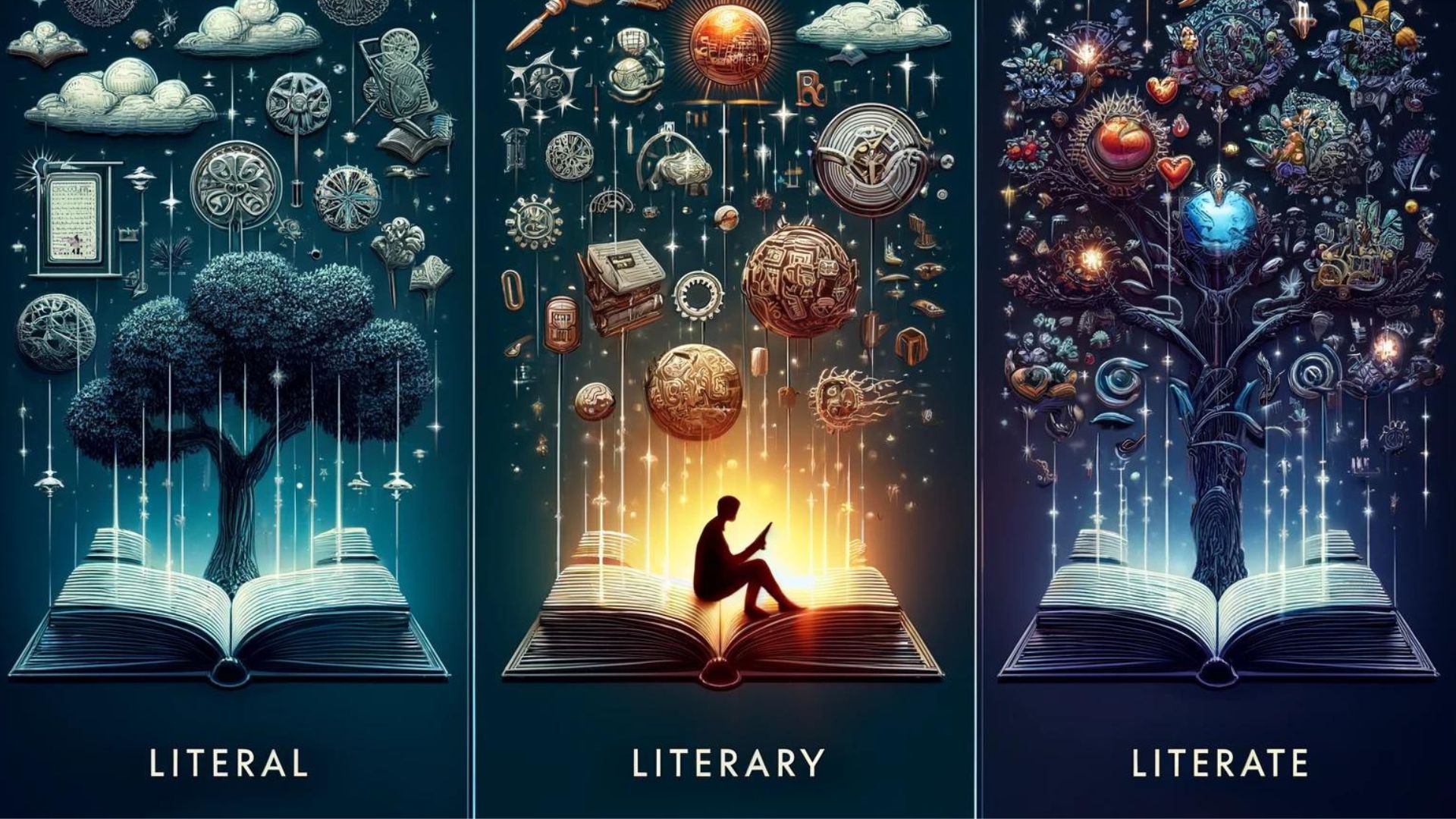
It's easy to stumble over "literal", "literary", and "literate." They sound similar, but their meanings are worlds apart. Let's break down the key distinctions and how to use them like a pro.
Literal: The Straight-up Facts
- Meaning: Taking words at their primary, most basic dictionary definition. No exaggeration or figurative language.
- Examples:
- "I was so hungry I could literally eat a horse." (Incorrect – hyperbole, not meant to be taken literally)
- "The sign said 'Road Closed.' I took that literally and turned around." (Correct – following the sign's precise meaning)
Literary: The World of Written Art
- Meaning: Related to literature, which encompasses creative writing like novels, poems, and plays.
- Examples:
- "Her writing has a distinct literary style."
- "He won the Nobel Prize for his literary achievements."
Literate: Reading and Writing Power
- Meaning: Possessing the ability to read and write.
- Examples:
- "Improving literacy rates is vital for a society to thrive."
- "They focused on making the software user-friendly for people with low literacy skills."
Bonus: "Figurative" vs "Literal"
The term "figurative" is the opposite of "literal." It describes language used metaphorically or symbolically, not for its precise meaning.
- Example: "The news hit me like a ton of bricks." (Figurative – bad news is emotionally heavy, not literally the weight of bricks)
When Confusions Arise
Here's where people often trip up:
- Mixing literal and figurative: "I'm literally dying of boredom." (Unless this is medically true, it's an exaggeration).
- Using 'literate' broadly: Think twice before saying "computer literate" or "music literate". These terms are imprecise.
Master the Nuances
The better you understand the definitions of "literal", "literary", and "literate", the more precise and effective your communication becomes.







0 Comments