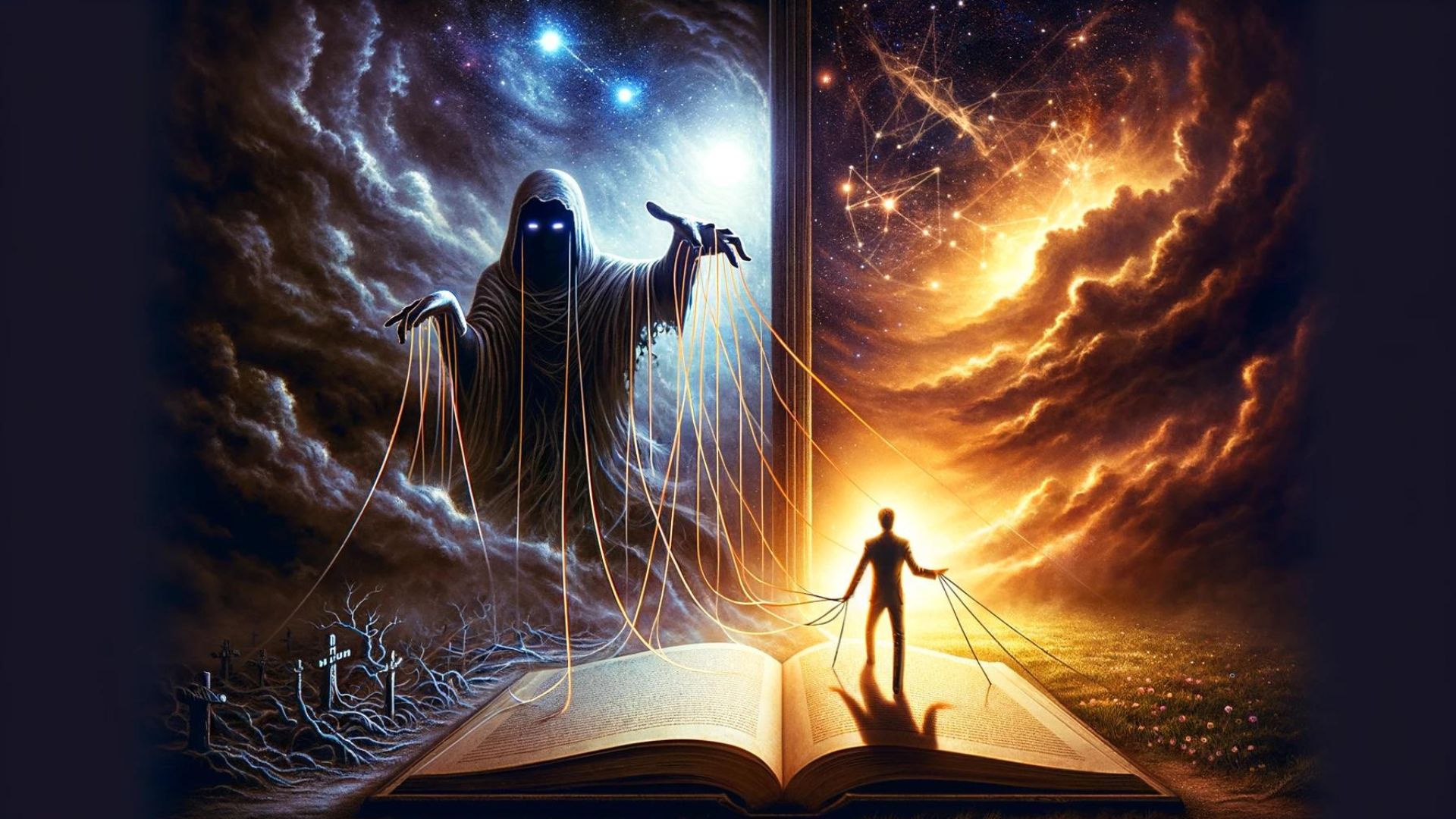
The Enduring Question: Are Our Lives Predetermined?
Picture yourself as the hero in a thrilling adventure novel. Danger lurks around every corner, and your choices seem to shape your destiny. But, was your path already written in the stars? Or do you hold the power to forge your own future? This timeless question of fate versus free will has fueled literary masterpieces for centuries.
Literature provides a unique lens through which to examine this philosophical puzzle. From ancient Greek tragedies to modern dystopian novels, authors use their characters' struggles to mirror our own grappling with the forces that shape our lives.
Fate: The Invisible Hand
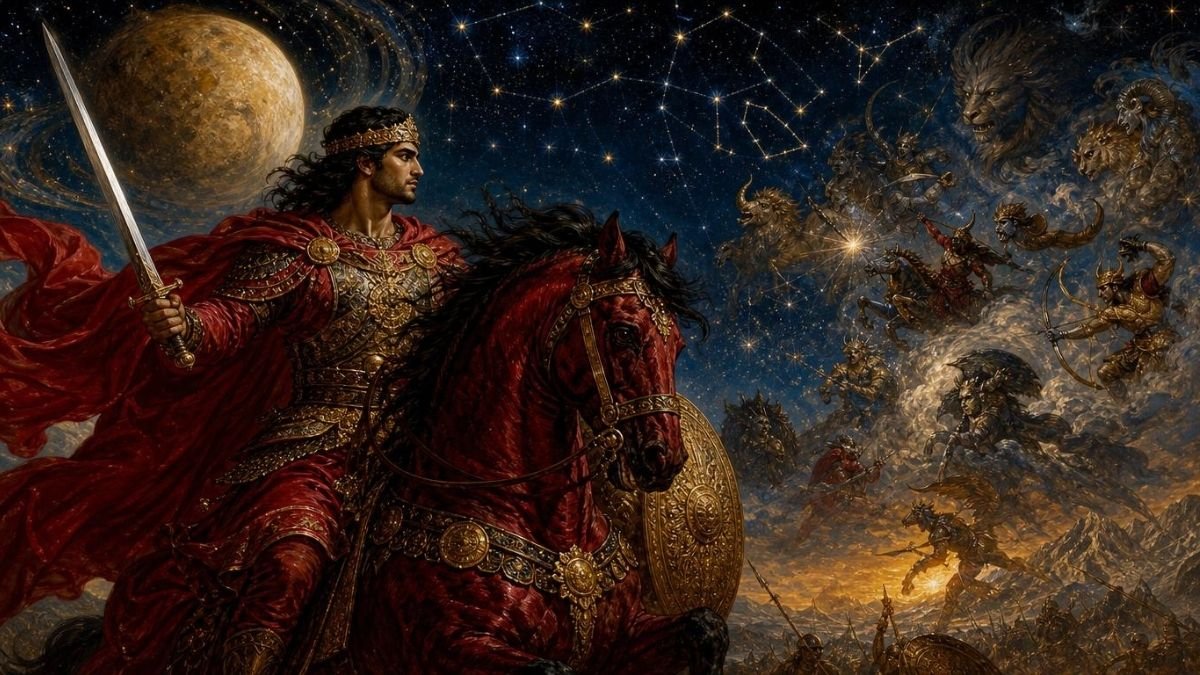
Fate is the idea that our lives are predetermined, our paths guided by an inescapable power, be it gods, the cosmos, or some unseen force. Many classic stories are built on this foundation. Consider Oedipus from Greek mythology, cursed to kill his father and marry his mother – a prophecy he tries desperately to avoid, only to tragically fulfill it.
Fate often casts a long shadow, adding a sense of inevitability or even doom that heightens the suspense of a story. Does knowing the ending weaken our connection to it, or does it make the journey all the more poignant?
Free Will: Defining Our Destiny
Free will, in contrast, champions the belief that we are the architects of our own lives. Our choices, not our circumstances, determine our paths. In Shakespeare's Hamlet, the tormented prince weighs inaction versus seeking revenge, his internal struggle mirroring the human battle to take ownership of actions.
Characters driven by free will can be deeply inspiring, showcasing the power of determination and resilience. Their triumphs become more meaningful, but so do their failures – a stark reminder of the consequences our choices hold.
The Interplay in Literature
The most fascinating literary works rarely offer simple answers to the fate and free will question. Instead, they weave a complex tapestry. Characters might rage against preordained outcomes, only to fall victim to their own flaws. Stories may hint at outside forces while highlighting the transformative power of defiance and self-determination.
This conflict sparks contemplation far beyond the pages. Do we have a role to play in shaping our own realities, or are we merely actors following a script? Is acceptance the key to peace, or does it extinguish our drive?
Beyond the Books: Your Reflection
Here's your action point: Think about a well-known book, movie, or play. Can you identify how the theme of fate versus free will plays out in the story? Do the characters lean more towards one side or the other? Now, consider your own life. Are there moments where you felt powerless against circumstances? Others where your choices seemed to create real change?
Literature doesn't offer easy answers, but it gives us the tools to probe these grand existential questions. Understanding the dynamic between fate and free will within stories enriches not only your literary appreciation but your understanding of your own life's journey.
Why Should You Care?
- Expands Worldview: Understanding this literary theme helps analyze characters, plots, and your own beliefs about the world.
- Encourages Philosophical Thinking : Literature sparks reflection on life's biggest questions, like the role of choice in our existence.
- Strengthens Critical Analysis: You'll dissect stories with more depth and nuance when examining the interplay of fate and free will.
Key Takeaways
- Fate and free will are constant forces shaping both literary characters and our own lives.
- Stories often feature heroes fighting against fate, embodying the human spirit of determination.
- Literature doesn't solve the philosophical debate, but offers a space to explore the complexities.
- Examining this theme encourages personal reflection on how much control we have over our lives.
Keywords
- Destiny: A predetermined course of events believed to be beyond human control.
- Free Will The power to make independent choices, shaping one's own life path.
- Existential: Relating to the fundamental questions of human existence and purpose.
- Inevitable: Unavoidable, certain to happen.
- Preordained: Decided or arranged in advance by fate or higher power.
- Consequence: The result or outcome of an action or choice.
- Prophesy: A prediction of future events, often of divine origin.
- Tragedy: A literary genre with a focus on suffering and a downfall often due to fate or character flaws.
- Defiance: Open resistance or bold opposition to authority.
- Resilience: The ability to bounce back and withstand adversity.
Frequently Asked Questions
- Can a character have free will and be influenced by fate at the same time? Yes! This tension creates dynamic, believable characters.
- Does believing in fate promote passivity? Not necessarily. It might lead to acceptance of hardship or motivate someone to make the most of the choices they can control.
- Are modern and contemporary novels less concerned with fate? Sometimes, but the theme still appears, often exploring societal forces as limitations on free will.
Myth Buster
- Myth: Stories about fate are fatalistic and depressing.
- Reality: Even if fate is cruel, characters fighting against it create drama, suspense, and inspiration.
Let's Talk
- Do you prefer stories where characters shape their destiny or those where fate looms large? Why?
- Can you think of a time in your life when you felt like events were out of your control?
- Does considering fate and free will make you more or less motivated to take action?
Share your thoughts in the comments below!


0 Comments