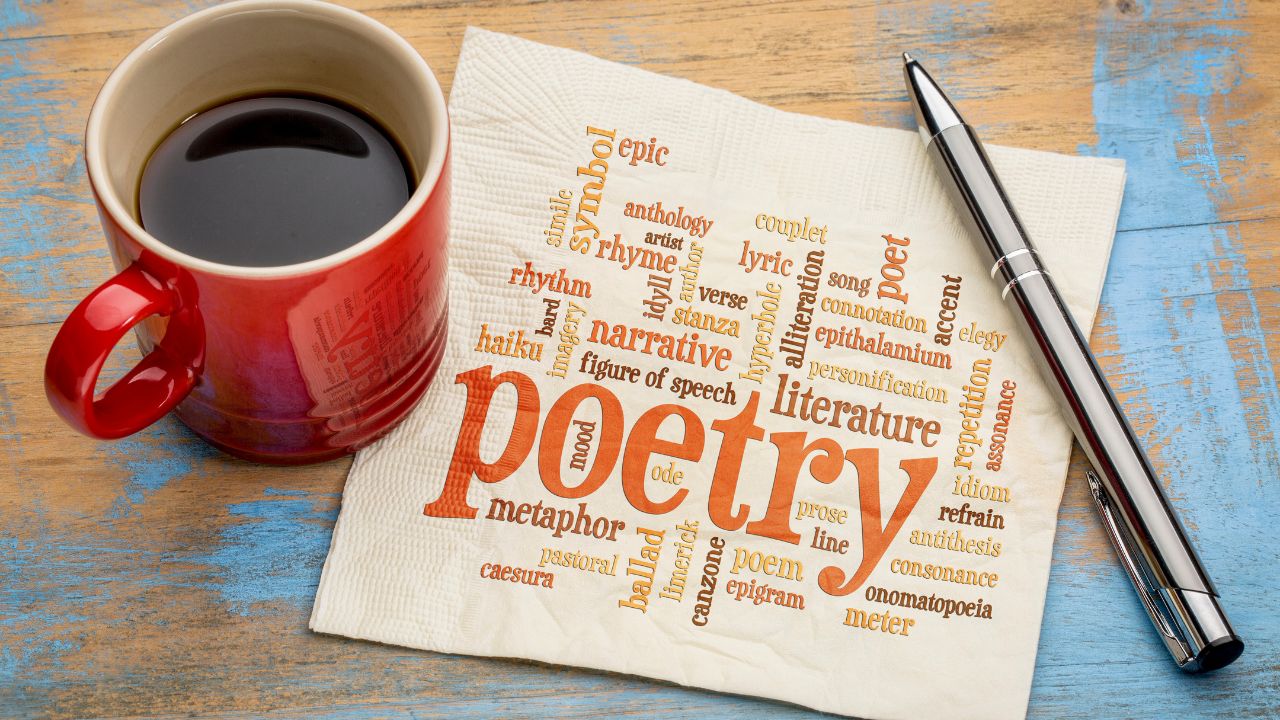
Introduction
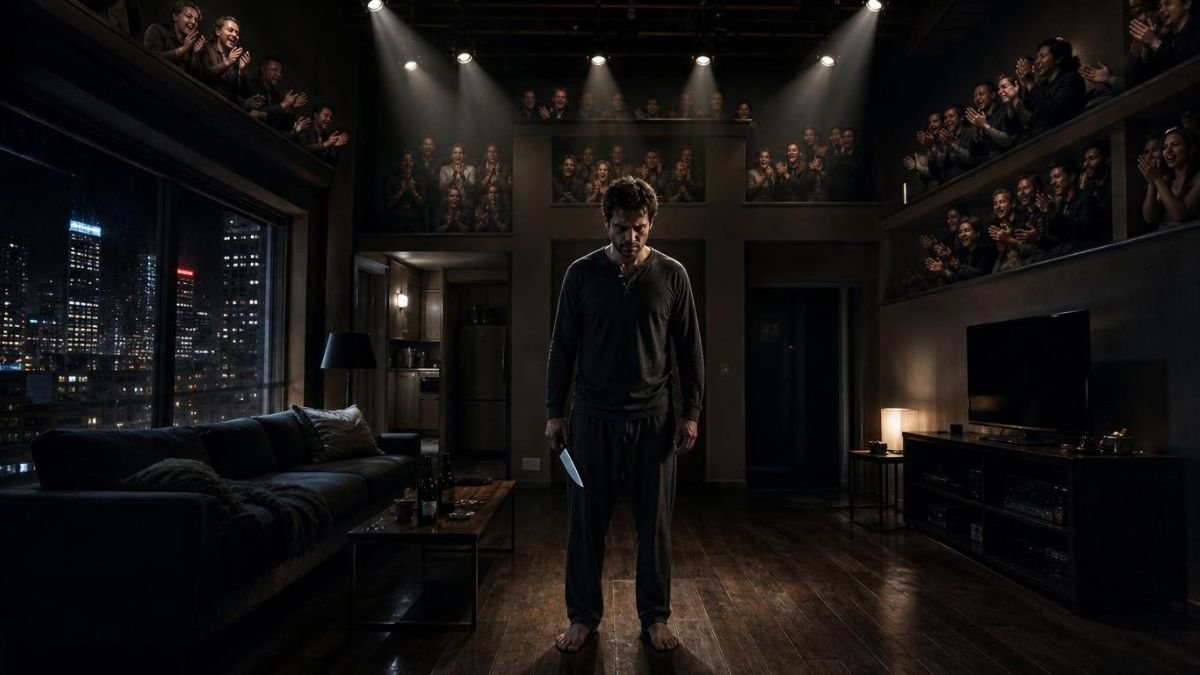
When we think of poetry, we often imagine a solitary figure hunched over a notebook, scribbling away in silence. But over the past few decades, a new form of poetry has emerged: spoken word. Unlike traditional poetry, spoken word is meant to be performed in front of an audience. It's a powerful and engaging art form that has been gaining popularity all over the world. In this article, we'll explore what spoken word poetry is, why it matters, and how it's changing the literary landscape.
What is Spoken Word Poetry?
Spoken word poetry is a form of poetry that is meant to be performed in front of an audience. It is often performed with music, and can be accompanied by a variety of other art forms, such as dance or theater. The origins of spoken word poetry can be traced back to the beat poets of the 1950s and 60s, who would perform their poetry in coffeehouses and bars.
Today, spoken word poetry has evolved into a dynamic and diverse art form that is practiced all over the world. It can be political, personal, or simply entertaining. What sets spoken word poetry apart from traditional poetry is its emphasis on performance. Spoken word poets use their bodies, voices, and movements to bring their poetry to life, creating a powerful and emotional experience for the audience.
Why Spoken Word Poetry Matters
Spoken word poetry has been gaining popularity in recent years for a number of reasons. For one, it provides a platform for underrepresented voices. Spoken word poetry has always been a space for marginalized communities to share their experiences and stories. It allows people to express themselves in a way that they may not have been able to before, and it can be a powerful tool for social change.
Spoken word poetry is also accessible. Unlike traditional poetry, which can sometimes feel intimidating or exclusive, spoken word poetry is open to everyone. It's a form of art that can be performed by anyone with a story to tell, and it can be enjoyed by anyone who is willing to listen.
In addition, spoken word poetry is often used as a form of therapy. Many poets use their art as a way to work through trauma, mental illness, or other personal struggles. By sharing their experiences with an audience, they can create a sense of community and support that can be incredibly healing.
How Spoken Word Poetry is Changing the Literary Landscape
Spoken word poetry is not just a form of entertainment or therapy. It's also changing the literary landscape in a number of ways. For one, it's creating a new canon of poetry that is more diverse and inclusive. Spoken word poetry is often performed by people from marginalized communities, and it allows these voices to be heard and recognized in the literary world.
In addition, spoken word poetry is challenging traditional ideas about what poetry is and who can create it. It's a form of art that is not bound by strict rules or conventions, which allows for a greater range of expression and creativity. As a result, spoken word poetry is attracting new audiences and creating a space for a more diverse range of artists to thrive.
Spoken word poetry is also influencing other forms of art, such as music and theater. Many musicians and playwrights have been inspired by spoken word poetry, and have incorporated its techniques into their own work. This cross-pollination of art forms is creating new and exciting opportunities for artists to collaborate and experiment.
Conclusion
Spoken word poetry is a powerful and engaging art form that is changing the literary landscape in exciting ways. It provides a platform for underrepresented voices, offers a space for personal expression and healing, and is challenging traditional ideas about what poetry is and who can create it. As spoken word poetry continues to gain popularity, it is becoming an increasingly important part of contemporary literature. It's a form of art that is accessible, diverse, and dynamic, and it offers something for everyone.
If you're interested in exploring spoken word poetry, there are a few ways to get started. Many cities have open mic nights or poetry slams where you can see spoken word poetry performed live. There are also many online resources, such as YouTube channels and poetry podcasts, where you can discover new poets and performances.
As spoken word poetry continues to evolve and grow, it's clear that it's an art form that is here to stay. Its impact on the literary world and beyond is only just beginning, and we can't wait to see where it goes next.
Keywords
- Spoken word poetry: A form of poetry that is meant to be performed in front of an audience, often accompanied by music or other art forms.
- Traditional poetry: Poetry that adheres to established literary conventions and forms.
- Beat poets: A group of poets from the 1950s and 60s who rejected traditional literary conventions and emphasized personal expression and freedom.
- Marginalized communities: Groups of people who have been historically excluded or oppressed, such as people of color, LGBTQ+ individuals, or those living in poverty.
- Social change: The process of bringing about positive and meaningful shifts in society, often through activism or advocacy.
- Therapy: A form of treatment or healing that aims to improve a person's mental, emotional, or physical well-being.
- Trauma: An emotional or psychological response to a distressing event, such as abuse or violence.
- Mental illness: A range of conditions that affect a person's mood, behavior, or thinking, such as depression, anxiety, or bipolar disorder.
- Canon: A body of literature or art that is recognized as important or influential within a particular field or community.
- Inclusive: Embracing diversity and promoting equal access and opportunity for all individuals or groups.
- Creativity: The ability to use imagination and original ideas to create something new or innovative.
- Cross-pollination: The process of exchanging ideas or techniques between different art forms or fields.
- Contemporary literature: Literature that is currently being produced and published, often reflecting modern themes and perspectives.
- Open mic nights: Events where anyone can sign up to perform in front of an audience, often featuring music or poetry.
- Poetry slams: Competitions where poets perform their work in front of a panel of judges and a live audience.
- Online resources: Tools or platforms available on the internet, such as websites or social media.
- Performance art: Art that is meant to be experienced through a live performance, often involving elements of theater or dance.
- Personal expression: The act of conveying one's thoughts, emotions, or experiences through art or other means.
- Diversity: Embracing and valuing differences in race, ethnicity, gender, sexuality, or other characteristics.
Impact: The effect or influence that something has on individuals, communities, or society as a whole.


0 Comments