
Welcome to a new exploration of the fascinating interplay between synchronized actions and human connections. You might have experienced it on a lively dance floor or during a sing-along with friends—the magic of moving in sync with others. But have you ever delved into why these moments make us feel so connected? Let's explore the science behind this phenomenon and introduce some key vocabulary to enhance your understanding.
The Phenomenon of Synchronized Actions
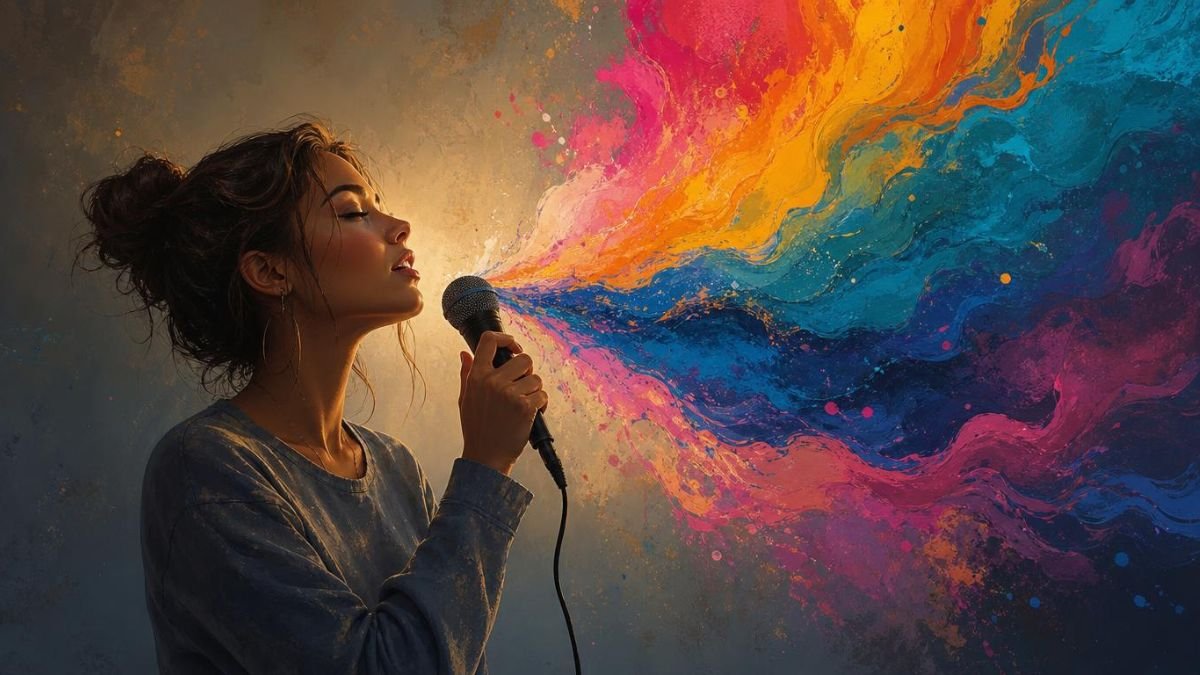
Have you ever wondered why, when participating in group activities like dancing or singing, you feel an intense bond with those around you? It turns out there's some fascinating science behind this. Whether it’s joining in a group dance routine, karaoke session, or even just clapping along to a beat, synchronized actions can significantly boost our feelings of connection.
The magic happens when our brains release chemicals like endorphins and oxytocin, creating that feel-good sensation we often associate with bonding activities. The process isn’t just psychological; it’s physiological, reinforcing the connections we make through shared rhythm and movement.
Evolution’s Role in Synchronized Bonding
The roots of this phenomenon stretch deep into our evolutionary past. For thousands of years, human survival depended on cooperation. Moving in sync with others helped reinforce group harmony, pivotal in both gathering food and defending against predators.
When engaging in synchronized actions, our ancestors essentially evolved to think, "If I can groove with these people, we stand a better chance of surviving together." Thus, these actions played a crucial role in burgeoning human communities, turning survival into a collaborative effort.
Team Cohesion and Beyond
The benefits of synchronized movement extend beyond social gatherings into structured environments, like companies and the military, where team cohesion is vital. Activities like marching together or participating in rhythmic chants build a sense of unity within the group. These practices prove advantageous in creating strong, synchronized teams that function efficiently, almost as if they share a wavelength.
Practical Applications: A Call to Connect
Feeling isolated lately? Perhaps all you need is a little synchronized activity. Join a dance class, partake in community singing, or simply sync your walk with someone else. Such experiences might help you tap into one of the oldest, most profound methods of human connection.
Vocabulary Spotlight
Let's break down some key vocabulary that enriches our understanding of this topic:
- Synchronized: Actions occurring at the same time, such as people dancing together. Even outside a dance floor, synchronizing in decision-making illustrates harmony.
- Endorphins: Feel-good chemicals released in our brains. Activities like exercise or laughter trigger these little happy boosts.
- Team Cohesion: The magical ingredient that helps groups work together effectively, characterized by aligned purposes and smooth collaboration.
- Boost: A term for giving a little extra push or encouragement, like how synchronized actions enhance our social connections.
- Bonding: The process of forming close relationships, often through shared activities or interests.
Conclusion
Consider how often shared activities facilitate connections, sometimes without our immediate awareness. Have you ever felt closer to someone by simply walking in sync with them? Reflect on these questions and join the conversation in the comments section.
Remember, the power of synchronized actions in bonding is more than just a party trick—it's a scientific wonder that can make the world feel a little more connected. So, put on your dancing shoes and embrace the rhythm of unity. Until next time, never stop learning and connecting.




0 Comments