Lurking in the Depths: The Legend of the Kappa
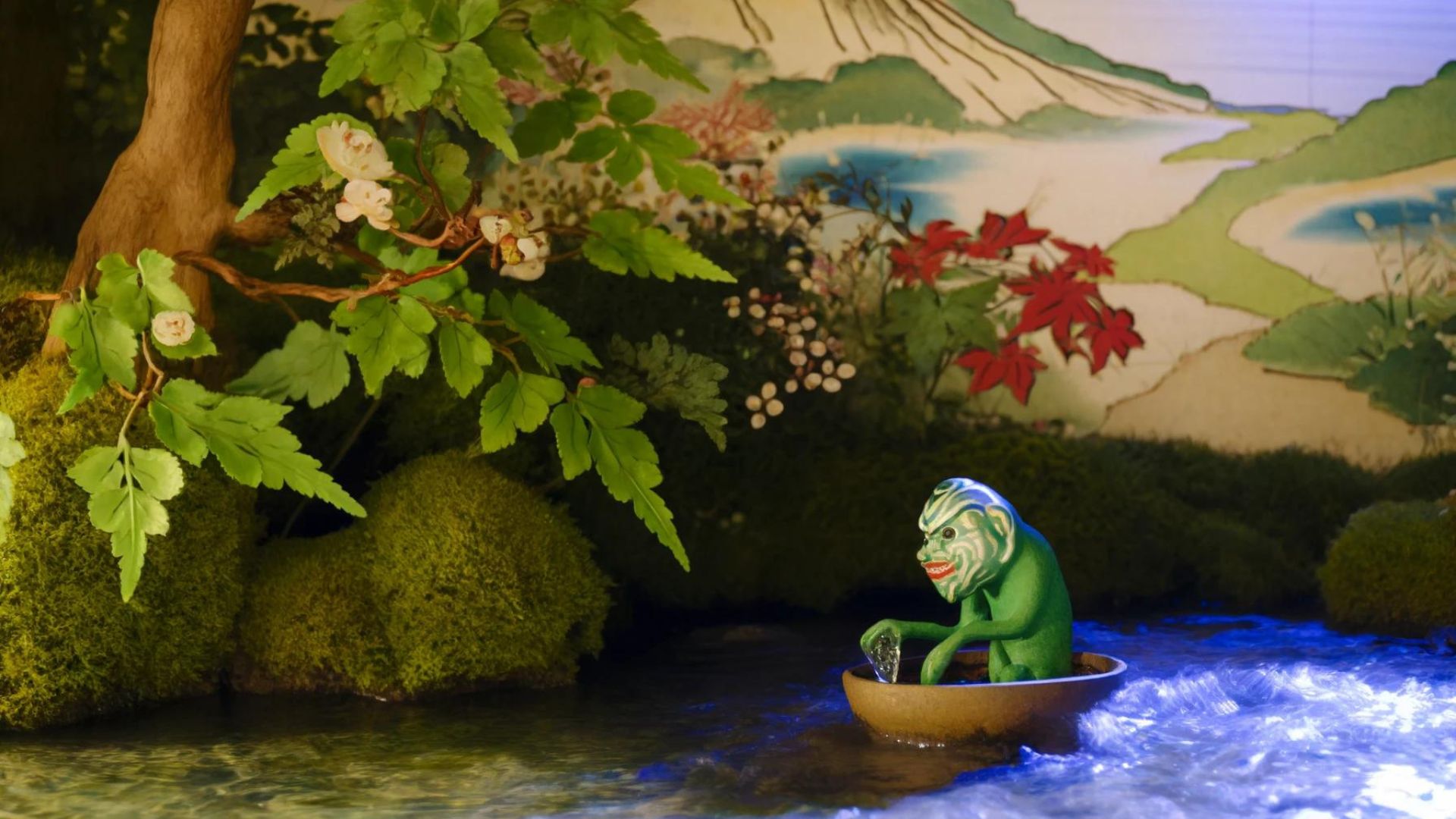
From the murky depths of Japanese rivers and ponds emerges a creature both comical and terrifying – the kappa. With its turtle-like shell, webbed hands, and a water-filled dish atop its head, this reptilian yokai (supernatural creature) has haunted Japanese folklore for centuries.
The Kappa’s Story
The kappa’s appearance is as outlandish as its behavior:
- Cucumber Connoisseurs: They possess an unyielding love for cucumbers and will relentlessly pursue those carrying this tasty snack.
- A Dangerous Obsession: Kappas are known to drown children, livestock, and unsuspecting adults, sometimes draining them of their mythical ‘shirikodama’ (an organ said to contain the soul).
- Sumo Challengers: Oddly, they adore sumo wrestling and may foolishly challenge humans only to be outwitted.
- Unlikely Allies: Legends tell of kappas befriending humans, sharing medical knowledge, or aiding with irrigation if appeased with their favorite offerings.
The Kappa’s Origins
Like the creature itself, the origins of the kappa legend are shrouded in mystery. Some theories suggest they may stem from sightings of the endangered Japanese giant salamander or represent cautionary tales to keep children away from dangerous waters.
The Kappa’s Enduring Influence
The kappa’s lore has permeated Japanese culture for generations:
- Warnings & Superstitions: “Beware of the Kappa” signs still adorn some waterways. The cucumber, a traditional offering to appease kappas, remains symbolic in Japanese cuisine.
- Pop Culture Icons: Kappas have evolved into mascots, cartoon characters, and even cute emojis, diluting their once terrifying image.
- A Tale of Duality: The kappa represents our fascination with the unknown. Its nature is both playful and sinister – a reminder that even seemingly harmless forces can conceal hidden dangers.
The Kappa’s Legacy
The legend of the kappa continues to entertain, instill a hint of fear, and serve as a potent symbol of Japanese folklore. It’s a captivating story about the delicate balance of respect and caution we must maintain with the natural world and the strange and wonderful creatures our imaginations can conjure.









0 Comments