The Heavy Sweetness of Doing Nothing: Understanding Lassitude

by Danny Ballan | Jan 22, 2026 | English Plus Espresso

Understanding Lassitude

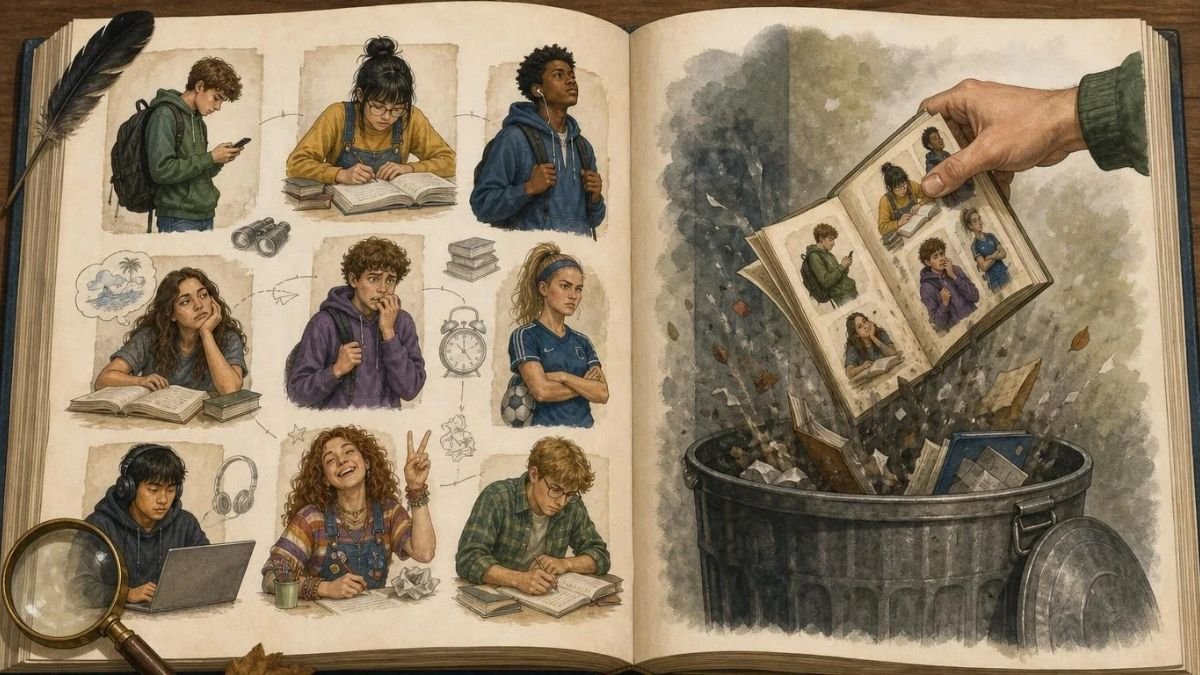
Have you ever felt a heaviness in your limbs that wasn't quite pain, but more like a refusal of your body to move? A state where your mind feels like it's wading through molasses, and even the idea of deciding what to watch on TV feels like climbing a mountain? We often call this being tired, or lazy, or burned out. But English offers us a word that captures this specific, languid state with much more precision and poetry: lassitude. It rolls off the tongue slowly, doesn't it? Lassitude. It sounds exactly like what it is. It comes from the Latin word lassitudo, meaning faintness or weariness, but in modern usage, it implies a state of physical or mental weariness often accompanied by a lack of interest.But let's peel back the layers here. Lassitude isn't just the fatigue you feel after running a marathon; that’s exhaustion. And it’s not quite the active avoidance of work; that’s laziness. Lassitude is more of a mood, a condition of the soul. It’s the sultry afternoon heat that pins you to the porch swing. It’s the feeling after a long illness where you are better, but you haven't quite rejoined the race of life yet. There is a passivity to it. It’s a surrender to gravity. In literature, poets often use it to describe a sort of romantic fading away, a luxurious kind of boredom. But in our practical lives, identifying lassitude is important because it’s usually a signal from our body and mind to stop pushing.

We live in a culture that demonizes stillness. If you aren't producing, you're failing. So when lassitude strikes, we fight it with caffeine and anxiety. But what if we respected the word and the feeling? What if we saw lassitude not as a defect, but as a necessary winter for the body? It’s a time of dormancy. Just as nature has periods of low energy to conserve resources, maybe our bouts of lassitude are our internal systems forcing a reboot. It’s the pause between the notes that makes the music. By understanding the nuance of this word, we can stop judging ourselves for feeling it. We can say, "I am not lazy; I am experiencing a moment of lassitude," and allow ourselves the grace to drift for a while until the wind picks up again.

When was the last time you gave in to a feeling of lassitude without guilt, and simply allowed yourself to be listless? I’d love to hear how you recharge in the comments below.


Related Posts

Memory Melding: What If We Could Trade Pasts?

What If We Could Transfer Our Memories

Have you ever struggled to explain exactly how you felt in a specific moment? Imagine a world where you didn’t have to use words. What if we could transfer our memories—sights, sounds, and emotions—directly to someone else? In this episode of English Plus Espresso, we dive into the beautiful, messy, and terrifying possibility of shared memory.

0 Comments

Submit a Comment

This site uses Akismet to reduce spam. Learn how your comment data is processed.

Recent Posts

A History of Sex as a Business

A History of Sex as a Business 09 | The Digital Turn: Platforms, Algorithms, and OnlyFans

This is part 9 of 10 in The Oldest Profession

The internet transformed commercial sex as radically as anything since the industrial revolution — enabling greater autonomy for some, creating new vectors for exploitation for others, and producing a legislative and ethical landscape that nobody has figured out how to navigate. This episode examines FOSTA-SESTA, OnlyFans, the trafficking-platform debate, and where we actually stand.

read more...
A History of Sex as a Business

A History of Sex as a Business 08 | The Business Model: How the Industry Actually Works

This is part 8 of 10 in The Oldest Profession

Beneath the historical narrative is an economic structure — one characterized by specific mechanisms of recruitment, control, and profit extraction that have remained remarkably consistent across centuries and continents. This episode examines the business of commercial sex as a business: how it actually operates, how exploitation is maintained, and where the money actually goes.

read more...
A History of Sex as a Business

A History of Sex as a Business 07 | The 20th Century: Wars, Migration, and the Criminalization Wave

This is part 7 of 10 in The Oldest Profession

The twentieth century saw two world wars that massively expanded military commercial sex economies, massive migration patterns that created new trafficking vulnerabilities, and a wave of criminalization campaigns that often made things worse for the people they claimed to help. This episode traces how the modern policy landscape was created.

read more...

Categories

Follow Us