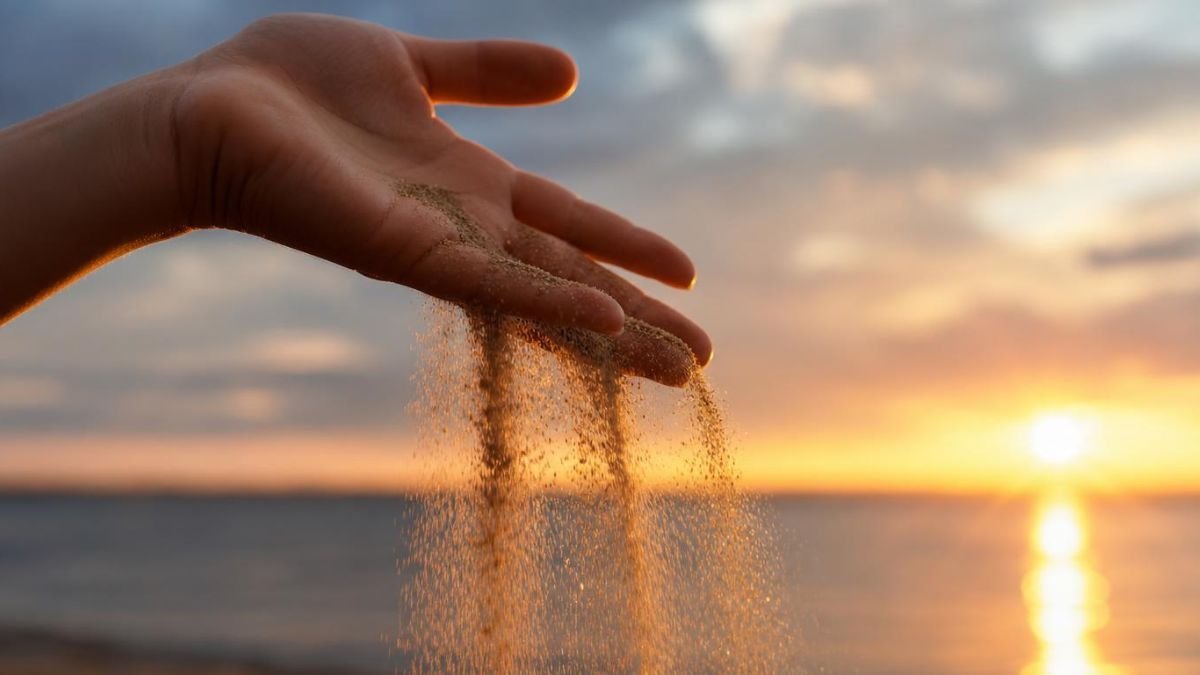
Why is the hand the one thing we reach for, when it's the worst possible container?
Think about what a hand actually is. It's a magnificent instrument — it can thread a needle, hold a pen, feel the difference between silk and satin. But as a vessel, it's a disaster. It's made of separate pieces. There are gaps between every finger. It cannot fully close; try it right now, make the tightest fist you can, and there's still a channel running through it. A hand was engineered for grasping solid objects, not for holding anything that flows.
And yet whenever we describe losing something precious, this is the image we use. It slipped through my fingers. Sand, water, time, an opportunity, a person, a whole decade of our lives — all of it escaping through the small unavoidable spaces in a closing hand.
The picture is so exact it hurts. Because notice what's in it: nobody threw anything away. The hand was closed. There was effort — often desperate effort. The loss happened despite the grip, and, worse, partly because of it. Squeeze sand and it accelerates out of your fist. The tighter the hold, the faster the departure. That's not poetry; that's just what happens to loose material under pressure.
So this phrase is not about carelessness. It's about the failure of a specific method. It's the sound of someone doing everything right by their own understanding, and losing it anyway.
Now, I want to look at what we actually use this phrase for, because the list is revealing. We say it about time. About youth. About chances. About love. And every single item on that list has the same property: none of them are objects.
That's the whole problem in one line. We keep applying a tool built for solids to things that were never solid.
Time isn't a substance you can hold; it's a rate. A relationship isn't a possession; it's an ongoing activity between two people, and the moment either one stops doing it, there's nothing there to keep. Youth isn't a thing you had and mislaid — it was a condition you were passing through. Opportunity isn't an object either; it's a configuration of circumstances that existed briefly and then reconfigured.
None of these were ever grippable. Which means that when we mourn them slipping through our fingers, we're mourning a failure that was structurally guaranteed. We were always going to lose them by this method, because this method has never worked on anything that flows.
And I think there's an enormous relief buried in that, if you'll take it. A great deal of private guilt in this world is people blaming themselves for not holding on tightly enough to something that could not be held at all. The years with your children when they were small. The version of a friendship that existed in one particular city. The health you had at thirty. You didn't drop those. They were never in your hand. They were passing through it, which is what those things do.
But here's where I want to push, because I don't think the phrase leaves us helpless. There's a second half to it, and it's about method.
If a thing can't be gripped, that doesn't mean it can't be held. It means the hand has to change shape.
Water cannot be seized. But water can absolutely be carried — in cupped hands, open, palms up, fingers together, held steady and level. It's a completely different posture. It's not stronger; it's weaker, in muscular terms. There's no clenching. And it requires you to walk carefully and pay attention, because the moment you get careless or hurried or grabby, you lose the lot.
That's the actual technique for everything on our list. You can't grip a relationship, but you can cup it — stay open, keep it level, walk carefully, don't clench when you're afraid. And most of us, in the moment we sense something precious departing, do exactly the wrong thing: we tighten. Fear makes fists. It's automatic. And the fist is the one shape guaranteed to accelerate the loss.
Anyone who has ever felt someone pulling away and responded by holding tighter knows how this ends. The tightening is what completes the departure. We do it with children who are growing up, with jobs we can feel changing, with friendships that need room. The grip is always well-intentioned and it is always the mechanism of the loss.
And then there's one more posture, which is harder still. Some things you can't cup either — you can only let run over your open palm.
Time, particularly. Nobody has ever carried an hour. All you can do is let it pass across your hand and notice it while it's touching you. Which is, when you strip away all the mysticism, the entire content of what people call presence. Not capturing the moment. Not saving it. Just feeling it move through, at the moment it's moving through, instead of afterward in memory when you're mourning that you didn't.
Because here's the strange thing about this phrase — we almost always say it in the past tense. Nobody says it's slipping through my fingers right now. We say it slipped. Which means we generally notice the loss only once the hand is already empty. And that's the actual tragedy in it: not the losing, which was inevitable, but the fact that we spent the whole time gripping instead of feeling, and now have neither the thing nor the experience of having had it.
So the counsel hiding inside this phrase isn't hold on tighter. It's the opposite, and it's genuinely difficult. Open the hand. Let the water sit in the cup of it. Look at it while it's there. Know that it's leaving, because everything on that list is leaving, always, by design — and let the knowledge make you attentive rather than frantic.
The sand is going to go. That's what sand does in an hourglass, and the hourglass is not broken.
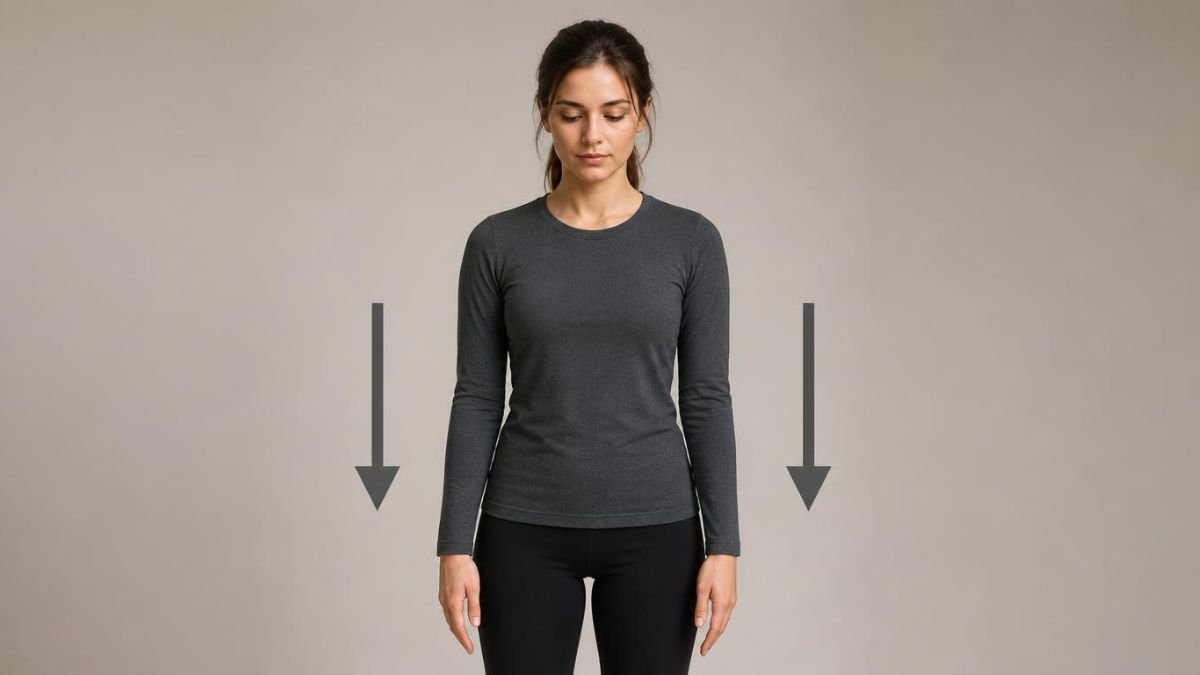
So here's what I'll leave you with. Think of something in your life right now that you can feel moving — a season with someone, a stage that's ending, a good stretch you know won't hold. Now check what your hand is doing. Is it clenched around it, squeezing so hard you can barely feel what you're holding? And what would change today if you simply opened your fingers, held it level, and let yourself feel it while it's still passing through?





0 Comments