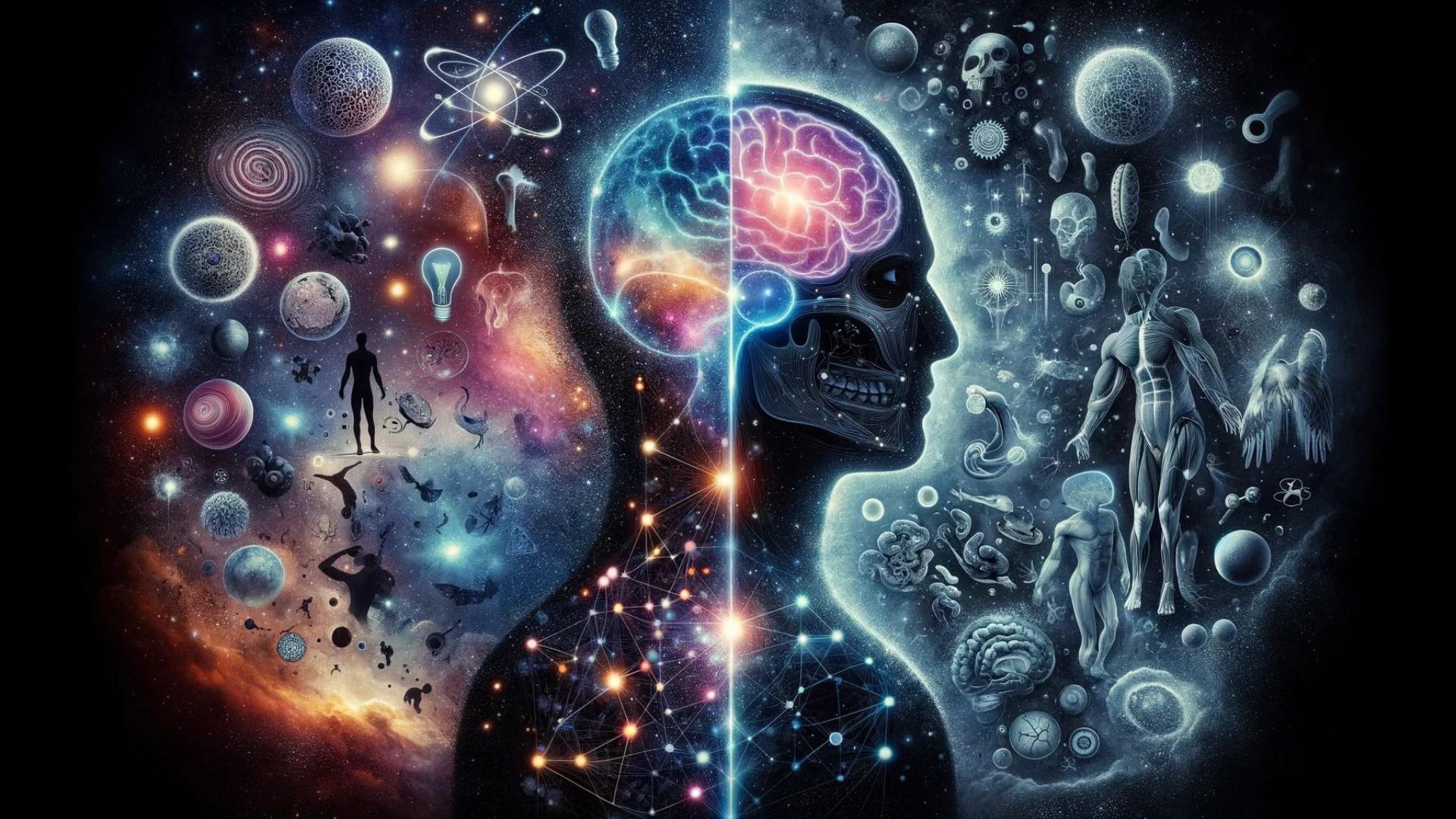
Spotlight on the Mind-Body Problem: Beyond the Great Divide
For centuries, philosophers and scientists have wrestled with a fundamental question: What is the relationship between the mind – our thoughts, emotions, and sense of self – and the physical body? The common perception is that of a divide, the mind as a mysterious, ethereal entity inhabiting the machine of flesh and bone. But this separation is increasingly challenged.
The Scientific Perspective: Intertwined Systems
Modern science reveals a vastly interconnected system:
- The Brain and the Nervous System: Our thoughts and emotions aren't simply floating free; they arise from complex processes within the brain and its communication with the rest of the body through the nervous system.
- Stress, Trauma, and Illness: The mind's state profoundly impacts our physical health. Stress can trigger headaches, gut problems, and weaken immunity. Trauma has long-term physical consequences.
- The Power of Belief: From the placebo effect (where belief in a treatment improves health even if it's inert) to the impact of mindset on healing, our mind shapes our physical reality.
Philosophical Considerations: Oneness or Illusion?
Philosophies offer varying perspectives:
- Dualism: Descartes famously argued for a mind-body divide, the mind being non-physical. This belief continues to influence Western thinking.
- Monism: Some philosophies see mind and body as aspects of a singular underlying substance. Eastern traditions often view consciousness as inseparable from the physical world.
- The Illusion of Self: Modern neuroscience brings a radical view - is the sense of a separate "mind" merely an elaborate brain function, and not a distinct entity?
Practical Implications: Beyond the Debate
Whether mind and body are truly one, or intricately linked but ultimately separate, the practical consequences are clear:
- Holistic Medicine: A growing recognition that treating the whole person requires attention to both the emotional and physical aspects of health.
- Mind-Body Therapies: Mindfulness, yoga, and various therapies can ease physical ailments by targeting stress, relaxation, and one's mindset.
- Lifestyle Choices: What nourishes our bodies nourishes our minds and vice versa. Exercise, sleep, and nutrition are vital for both physical and mental well-being.
The Takeaway: A Dynamic Dance
The mind-body problem may never have a definitive answer. Yet, the emerging picture is one of a dynamic, intricate dance rather than a simple divide. By recognizing the profound interconnectedness between our inner and outer selves, we gain greater power to heal, to grow, and to live a more fully integrated life.
Let’s Think
- The Impact of Perception: If our beliefs and mindset can significantly influence our physical health, how much control do we truly have over our well-being? Can we learn to harness this power for healing?
- The Limits of Language: Our language tends to reinforce the idea of a mind-body split. How might changing the way we talk about ourselves (instead of "my body" or "my mind," perhaps something more integrated) influence our sense of self?
- Beyond the Individual: If mind and body are interconnected, does this connection extend further? Is there a collective consciousness of a community or even of our environment?
- Redefining Wholeness: Holistic medicine aims to treat the whole person, but what does that look like practically? How can we create a healthcare system that truly honors the complex interplay of mind and body?
- The Mystery Continues: Can science ever fully explain the nature of consciousness and its relationship to our physical form? Or will some element of mystery always remain?









0 Comments