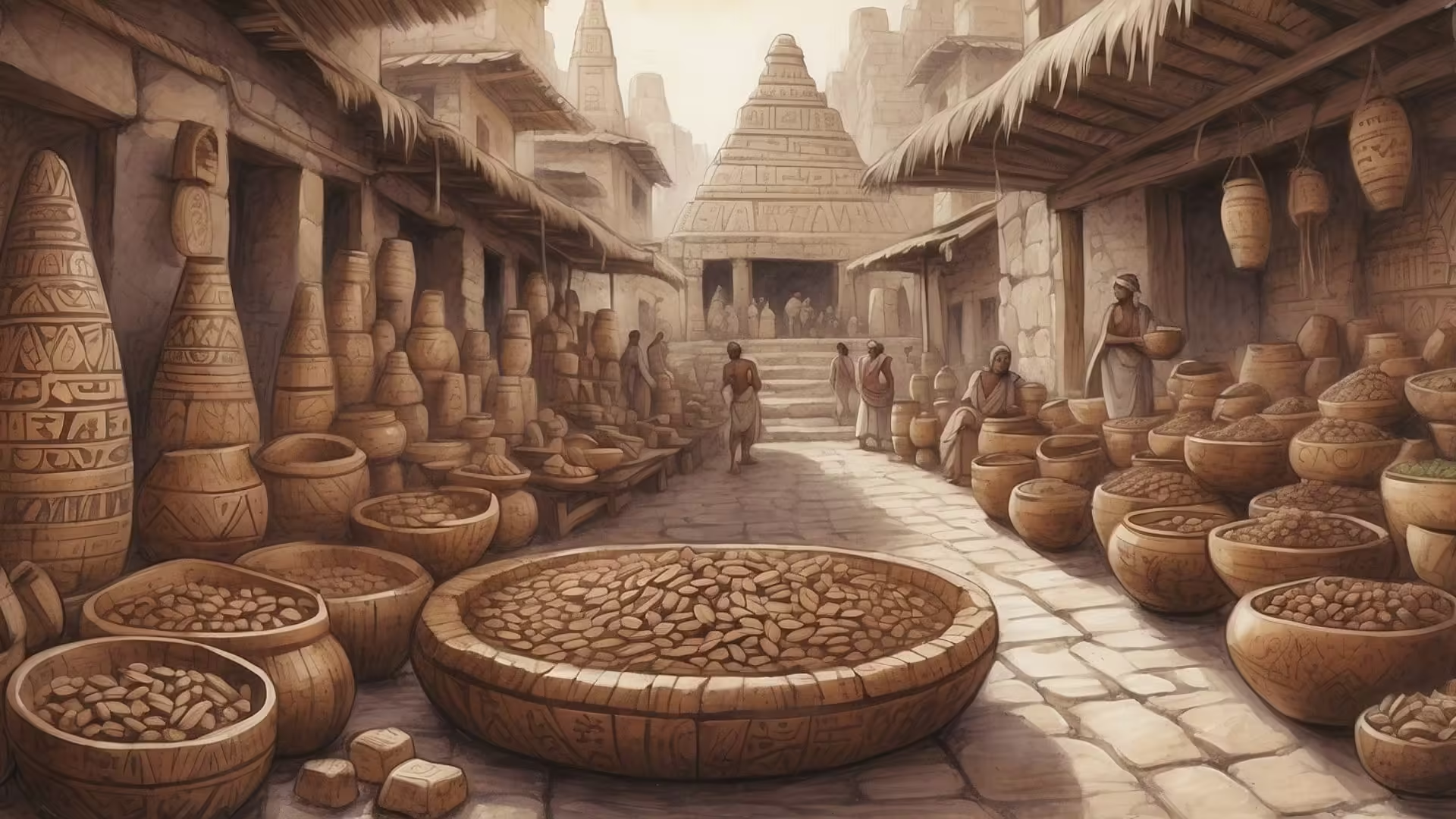
Today, chocolate is a sweet treat we indulge in, but for the Aztecs, it was far more than just a tasty snack—it was currency. The Aztecs believed that cacao beans were a gift from the gods, and they valued them so highly that they became part of the economic system. Cacao beans were used to buy goods, pay workers, and even offer tribute to rulers. This article explores the fascinating history of how chocolate served as currency in the Aztec world and why it was considered so valuable.
Cacao: A Precious Commodity
For the Aztecs, cacao beans were a prized possession. The beans came from the cacao tree, which thrived in tropical regions that were often far from the Aztec capital. Since the beans were not native to the heart of the Aztec empire, acquiring them involved long trade routes, making them even more valuable. In fact, cacao beans became so important that they were treated like coins in a market economy. Farmers, merchants, and even government officials used cacao as a form of payment.
A single cacao bean could buy a piece of fruit, while a few hundred beans might get you a decent cloak. Workers and soldiers were sometimes paid in cacao beans, and taxes—known as tribute—were collected from conquered regions in cacao. This made chocolate not only a luxury but also a critical part of the economy.
The Spiritual and Cultural Importance of Cacao
Beyond its economic value, cacao held significant cultural and spiritual meaning for the Aztecs. The beans were often used in rituals and offerings to the gods, especially the god Quetzalcoatl, who was believed to have gifted cacao to humanity. Drinking chocolate was reserved for the elite—emperors, nobles, and warriors—and it was considered a symbol of power and wisdom. The Aztecs prepared cacao as a bitter beverage mixed with spices like chili or vanilla, far from the sweetened chocolate we know today.
Cacao was also believed to have invigorating properties, giving strength and endurance to those who consumed it. Warriors would drink cacao before battle, and nobles sipped it during ceremonies. This cultural significance made cacao more than just a currency—it was part of the fabric of Aztec society.
Trade and Economy in the Aztec World
The use of cacao as currency demonstrates how the Aztecs created a complex economy based on trade and tribute. Markets were bustling places where goods from across the empire were bought and sold. Merchants carried cacao beans in woven bags, and transactions were carefully measured—there was even concern about counterfeit cacao beans! Some people would try to hollow out the beans and fill them with dirt to pass them off as the real thing. This shows just how seriously cacao currency was taken in Aztec society.
The Decline of Cacao Currency
When the Spanish arrived in the 16th century, they were surprised to find that cacao beans were being used as currency. The Spanish quickly recognized the value of cacao, and they brought it back to Europe, where it became a luxury product. However, as colonial rule reshaped the economy, cacao’s role as currency began to decline. The introduction of European coins and the exploitation of cacao for export slowly eroded its importance in the Aztec economy.
Although cacao is no longer used as money, its legacy lives on in the chocolate we enjoy today. What was once reserved for Aztec rulers has now become a beloved treat for people around the world.
The story of cacao as currency offers a glimpse into a time when chocolate was more than just a dessert—it was a symbol of wealth, power, and cultural significance. The Aztecs valued cacao so highly that it shaped their economy, influenced their rituals, and became part of their daily lives. While we may not trade chocolate for goods anymore, it’s fascinating to think about how something as ordinary as a cacao bean once held so much power. The next time you unwrap a piece of chocolate, take a moment to remember its ancient origins and the incredible journey it has taken through history.
Let’s Talk
It’s kind of mind-blowing to think about chocolate being used as money, isn’t it? Imagine walking into a market with a pouch full of cacao beans, ready to buy your groceries. Instead of fumbling with coins, you’d be counting beans—literal beans. It makes you wonder, though, what would happen if we brought that system back today. Can you picture standing in line at a coffee shop, paying for your latte with a handful of cacao beans? I mean, it sounds fun until you realize you’d need a bag full of them just to cover rent.
The idea of using chocolate as currency tells us a lot about what people value, doesn’t it? It’s easy to see money today as cold and impersonal—just numbers on a screen or pieces of paper. But back then, currency had a tangible, even enjoyable, quality. You could actually use your wealth—drink it, savor it, or offer it as a gift. It adds a personal touch to the concept of wealth, like, “Here’s your payment—oh, and feel free to snack on it too.” And let’s be honest, if you could spend your savings on a rainy day and enjoy them in the form of hot cocoa, wouldn’t that make saving money a bit more enjoyable?
It also makes me think about the deeper significance cacao had for the Aztecs. It wasn’t just money—it was part of their rituals, their stories, and their culture. That’s a pretty big contrast to how we view currency today. Can you imagine your paycheck having spiritual meaning? Instead of direct deposits, we’d be blessing our salaries before spending them! It’s fascinating how something as simple as a bean could carry so much weight—not just economically but also emotionally and spiritually. It’s like currency wasn’t just a tool for trade; it was woven into the very fabric of life.
And speaking of value, how interesting is it that the Aztecs used cacao beans as both money and food? It really blurs the lines between necessity and luxury. Today, chocolate is mostly seen as a treat, but back then, it was essential—almost like having a stash of gold coins. It makes me wonder, what everyday items do we take for granted that could have been—or could become—valuable currency? If the world suddenly flipped, would something as common as coffee beans or tea leaves become the new gold? Maybe even electricity or clean water?
Then there’s the whole counterfeit cacao bean thing—people hollowing out beans and filling them with dirt to trick others. It’s kind of funny to think that even back then, they had to deal with scammers. But it also shows that where there’s value, there’s always someone trying to cheat the system. Not so different from today, right? Whether it’s fake currency, online scams, or phishing emails, the idea of guarding wealth hasn’t changed all that much. I guess the only difference is, back then, your bank account could melt if you weren’t careful.
It also makes me think about how something valuable can lose meaning over time. Once the Spanish took cacao back to Europe, chocolate slowly shifted from currency to luxury, and now it’s just a regular treat. Isn’t it interesting how things that were once rare and precious become so common that we hardly think about them? It’s like how salt used to be worth its weight in gold, but now we barely notice it unless we forget to add it to dinner. It makes me wonder—what things do we take for granted now that future generations might look back on and think, “Wow, that used to be so important.”
So here’s a thought: What if you had to choose a modern item to use as currency—something practical, portable, and valuable—what would it be? And do you think we’ve lost something by moving away from tangible, meaningful currency like cacao beans? Maybe the real value isn’t just in what we trade, but in how those things connect us to each other and to the stories we tell about our lives.
Let’s Learn Vocabulary in Context
Let’s dive into some of the interesting words and phrases from the chocolate-as-currency discussion and see how they fit into everyday life. First up is “currency.” We usually think of currency as money, but it can refer to anything used for trade or exchange. You might even say, “Compliments are the best currency in friendships.” It’s a reminder that value doesn’t always come in the form of cash.
Next, we have “barter.” Bartering is when you trade one thing for another instead of using money. Picture two kids swapping Pokémon cards—that’s bartering in action. In a pinch, you might say, “I’ll cook dinner if you take out the trash—deal?” That’s a modern twist on bartering.
“Economy” also popped up in the topic. An economy is the system through which goods and services are produced, traded, and consumed. You could casually say, “My personal economy runs on coffee and naps.” It’s a playful way to acknowledge the things that keep your life running smoothly.
“Value” is one of those words with layers. In the Aztec world, cacao had both economic and symbolic value. In everyday conversation, value goes beyond money—it’s about what something means to you. For example, “I really value our time together,” means time is as important to you as any physical gift.
Let’s talk about “luxury.” Today, chocolate is a common treat, but back then, it was considered a luxury. A luxury is anything that feels indulgent or rare. You might say, “Sleeping in on the weekend feels like a luxury these days.” It’s a word that captures the little things that make life sweeter.
“Counterfeit” came up too, referring to fake versions of something valuable. In modern life, counterfeit goods are a real issue, whether it’s fake designer bags or counterfeit currency. But the word can also be used more casually, like, “He gave me a counterfeit smile—totally forced.”
“Trade” is another key word. Trade involves exchanging goods or services, and it’s been part of human history for centuries. You probably trade things all the time without thinking about it. “I’ll trade you my sandwich for those chips” is a classic playground deal.
Then there’s “ritual.” For the Aztecs, consuming cacao wasn’t just a habit—it was part of their rituals. In daily life, rituals are the small routines that give structure to our day. For example, “My morning coffee is a sacred ritual—I can’t function without it.”
We also mentioned “tribute.” In the Aztec economy, conquered regions paid tribute, often in the form of cacao beans. Today, we use tribute to refer to acts of respect or admiration. You might say, “That song is a tribute to the artist’s grandmother.” It’s a way of honoring someone or something.
Finally, there’s “legacy.” The way the Aztecs valued cacao has left a legacy that continues in the way we enjoy chocolate today. A legacy is something passed down from the past, whether it’s a family tradition or an inherited value. You could say, “Grandma’s lasagna recipe is her legacy to us.” It’s about carrying forward something meaningful.
Here are a couple of questions to think about: What’s one luxury in your life that you really value, even if it’s small? And have you ever traded or bartered for something you needed—what was the deal, and how did it turn out?










0 Comments