Practice your reading for English proficiency exams with this text on the Status Quo Bias. Discover the psychological reasons we resist change, with examples from consumer choice and public policy. Includes a quiz and vocabulary.


Practice your reading for English proficiency exams with this text on the Status Quo Bias. Discover the psychological reasons we resist change, with examples from consumer choice and public policy. Includes a quiz and vocabulary.

Discover the cognitive biases that secretly run your workplace. Learn how Groupthink leads to disastrous decisions, the Curse of Knowledge creates communication silos, and unconscious bias affects hiring and promotions. A must-read guide for leaders and teams.
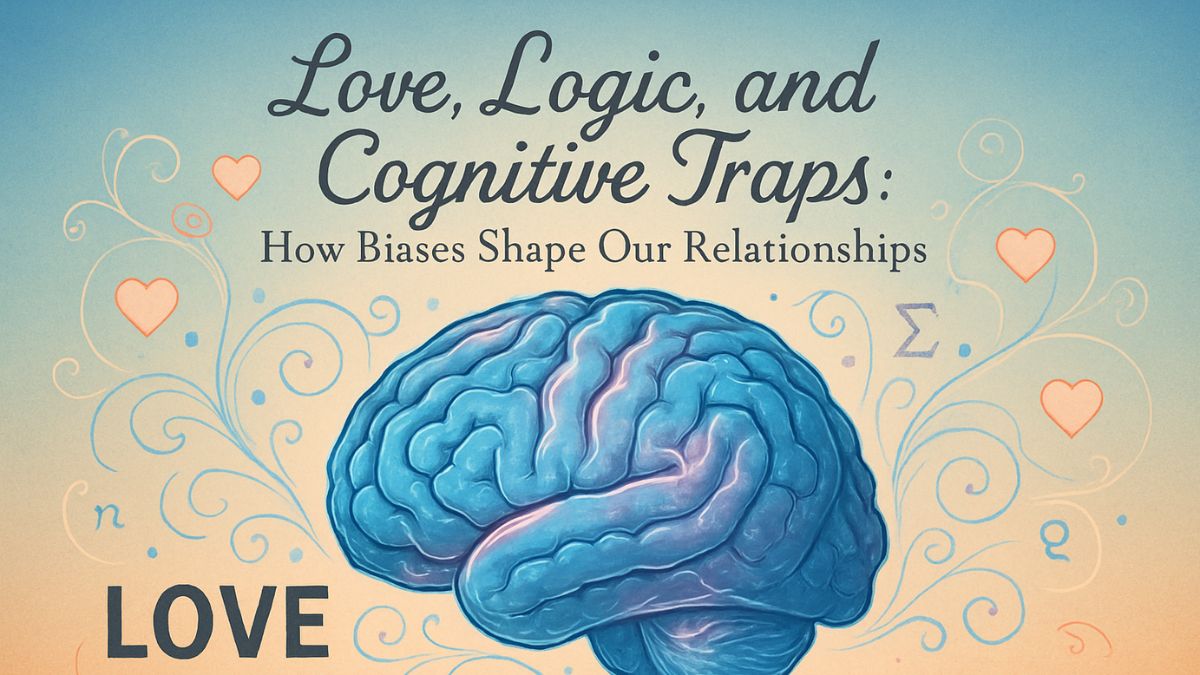
Ever wonder why small disagreements with your partner blow up? Discover how cognitive biases like the Fundamental Attribution Error and Confirmation Bias shape your relationships, poison perceptions, and distort memories. Learn how to spot these mental traps and build stronger connections.

Do you believe you see the world objectively? We all like to think we do. But what if your brain is constantly filtering reality to match what you already believe? This week, we investigate the biases that shape your entire worldview. We’ll discover why it feels so good to be right, why we say ‘I knew it all along’ after something happens, and how our brains are programmed to see faces in clouds. Are you ready to question your own beliefs?

Sharpen your thinking! This interactive quiz teaches you key vocabulary like ‘heuristic,’ ‘plausible,’ and ‘fallible’ to help you reason better and argue smarter.
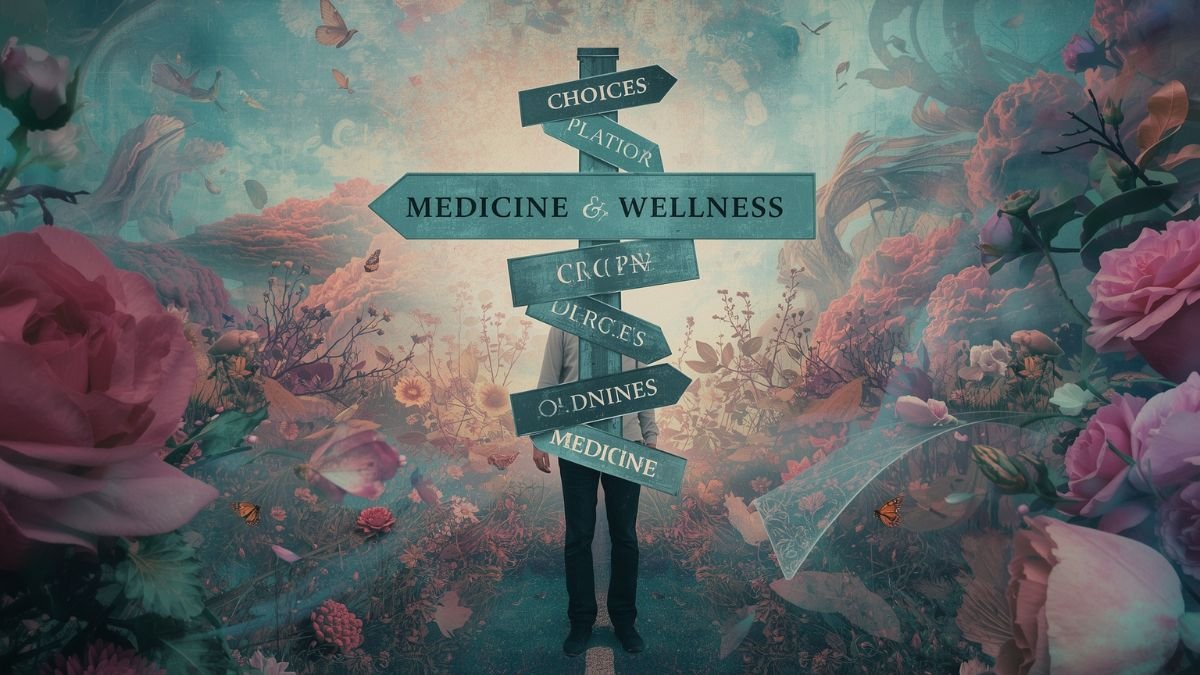
Discover how cognitive biases like the Availability Heuristic and Confirmation Bias secretly influence your health and wellness choices. Learn why we fall for fads, misjudge risks, and how to navigate the complex psychology between doctors and patients for better health outcomes.
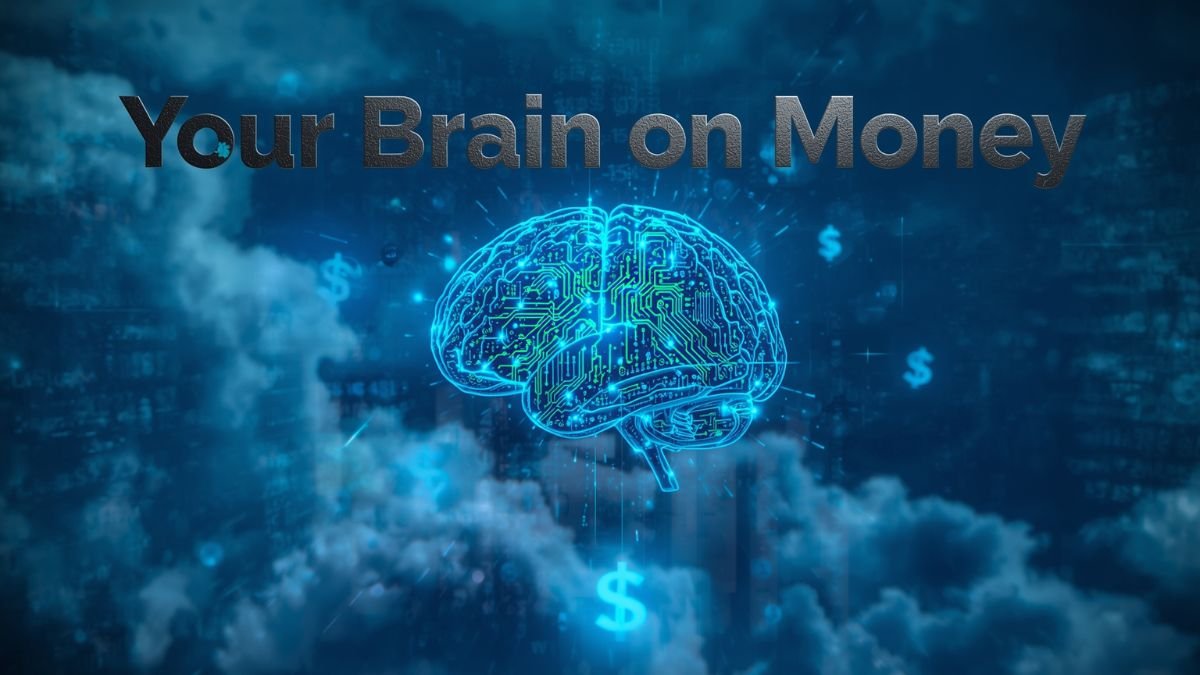
Discover how cognitive biases like the Sunk Cost Fallacy, Anchoring, and Survivorship Bias are sabotaging your financial decisions. Learn practical strategies to overcome these mental traps, improve your investing, and protect your wealth from your own brain.

A fascinating historical narrative for ESL reading practice. Learn about survivorship bias through the story of Abraham Wald and his brilliant work on WWII bombers. Includes a full passage, quiz, and vocabulary for exam success.

Improve your listening for exams like SAT and TOEFL with this humorous monologue about a terrible purchase. Learn about cognitive biases like the Anchoring Bias and Sunk Cost Fallacy through a relatable story. Includes a script, quiz, and vocabulary list.

Do you ever feel like you’re on autopilot when you make choices? Have you ever bought something and later wondered why? This week, we begin our journey into the hidden world of cognitive biases, exploring the invisible scripts that guide your decisions every day. We’ll find out why the first price you see is so powerful, why we stick with bad decisions, and how focusing only on success stories can lead us astray. Are your choices really your own? Let’s find out.

The Sun blows a bubble bigger than the solar system, and we live inside it. Explore the heliosphere, the two Voyagers that flew out of it, and why leaving is so hard to define.
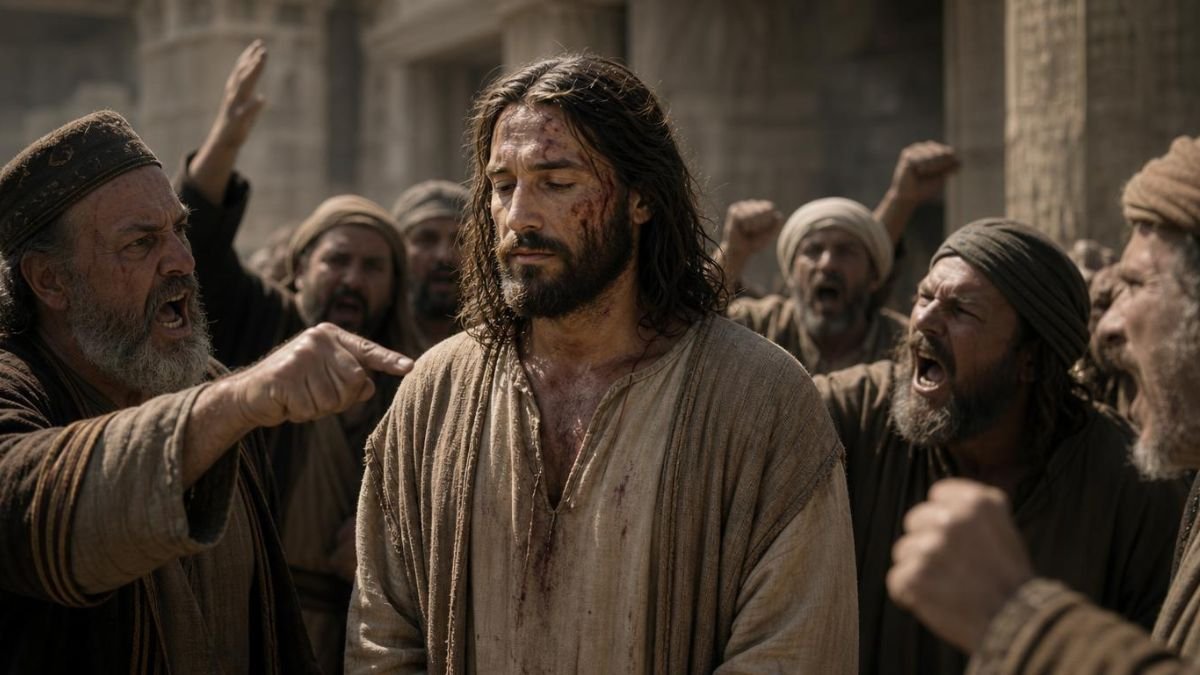
A poetic dive into the Portuguese expression engolir sapos, to swallow toads, and what amphibian skin reveals about the price of keeping the peace.

Advanced English listening practice for IELTS, TOEFL, and SAT. Listen to an academic lecture on Indigenous American civilizations and answer 10 exam-style questions.

A poetic exploration of “forgive and forget” — a phrase whose two halves have almost nothing to do with each other, and why the second one may be quietly ruining the first.
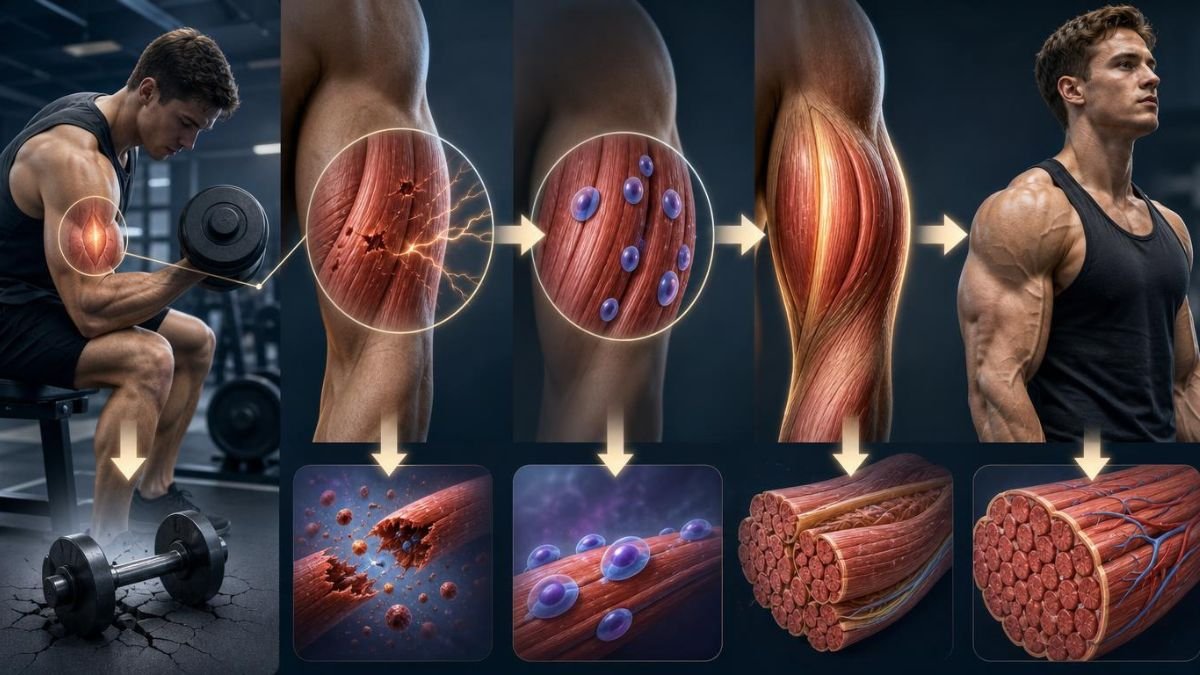
Soreness isn’t the signal. Lactic acid isn’t the culprit. What actually builds muscle is stranger and slower than you were told, and the English for it is worth having.

A poetic dive into 忍, the Japanese character for endurance, which draws a knife directly above a heart, and what a swordsmith’s clay can teach you about surviving the pressure.