Where the word “con” really comes from, why first impressions are decided in milliseconds, and how to build instant rapport and read a room — the first job in your apprenticeship.


Where the word “con” really comes from, why first impressions are decided in milliseconds, and how to build instant rapport and read a room — the first job in your apprenticeship.
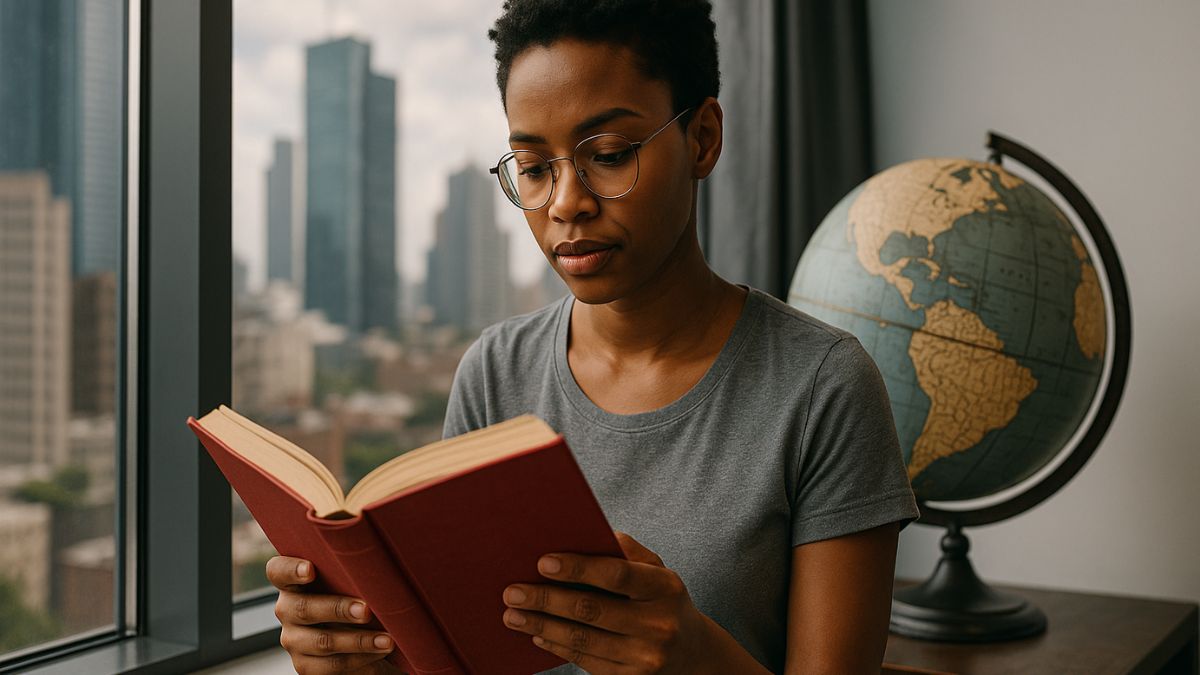
In our final episode, we look at the state of literature in our interconnected world. We explore how themes of migration, diaspora, and hybrid identities have come to the forefront. Featuring authors from Oceania, the Caribbean, and the global diaspora, we discuss how technology and globalization are shaping the future of storytelling and creating a truly “world” literature.
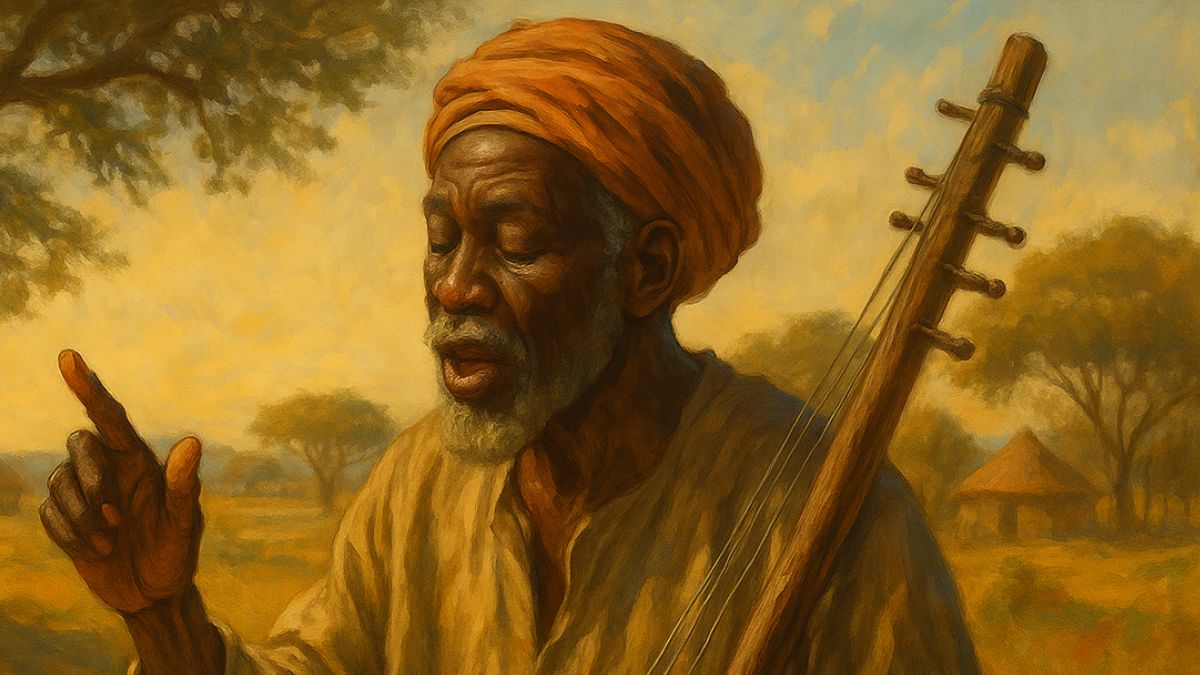
This episode celebrates the immense diversity of African literature, from the ancient oral storytelling traditions of the Griots to the powerful emergence of post-colonial writing. We’ll discuss how authors like Chinua Achebe, Ngũgĩ wa Thiong’o, and Chimamanda Ngozi Adichie have used literature to reclaim their history, grapple with the legacy of colonialism, and forge new identities.
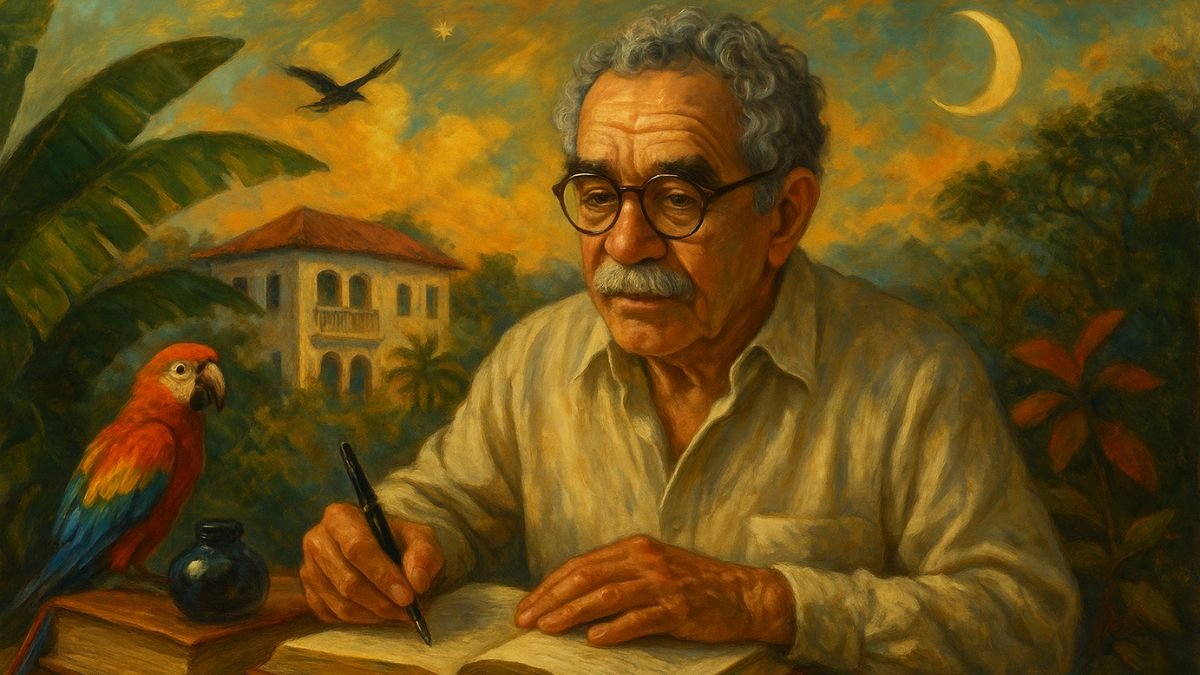
We explore the vibrant and revolutionary literature of Latin America in the 20th century. This episode discusses how a generation of writers like Borges, García Márquez, and Allende blended indigenous mythology, political turmoil, and surrealism to create “Magical Realism”—a unique literary style that captured the complex reality of a continent.
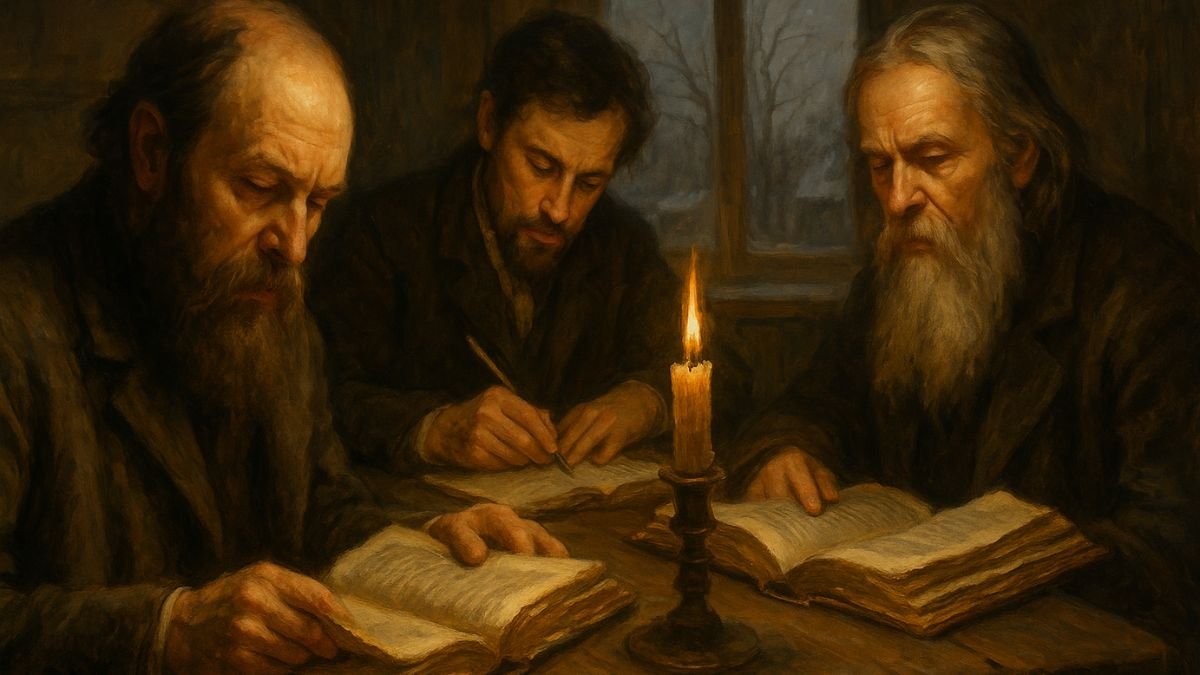
This episode focuses on the monumental contribution of 19th-century Russia to world literature. We delve into the minds of masters like Dostoevsky, Tolstoy, and Chekhov, who perfected the psychological novel and used it to explore the depths of human consciousness, morality, suffering, and redemption with unparalleled intensity.
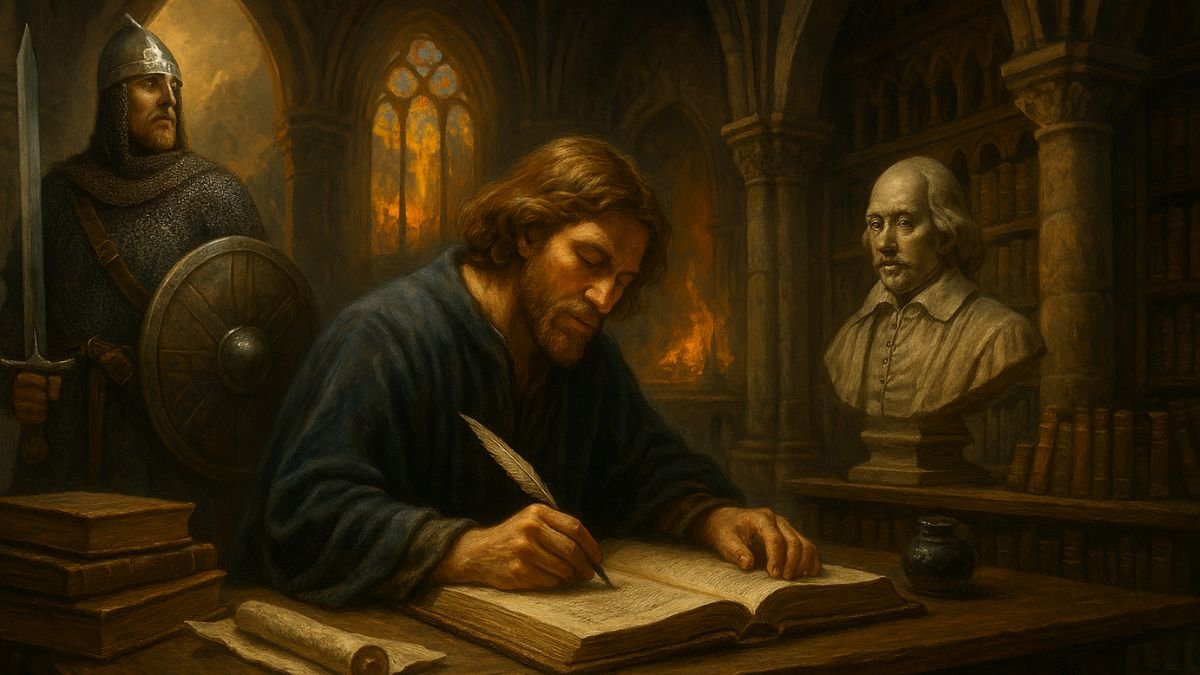
We trace the evolution of European literature as it emerged from the medieval period. This episode covers the heroic sagas of the Anglo-Saxons and Norse, Dante’s divine journey in the Inferno, the universal stage of Shakespeare, and the rise of the novel and individual consciousness during the Enlightenment.
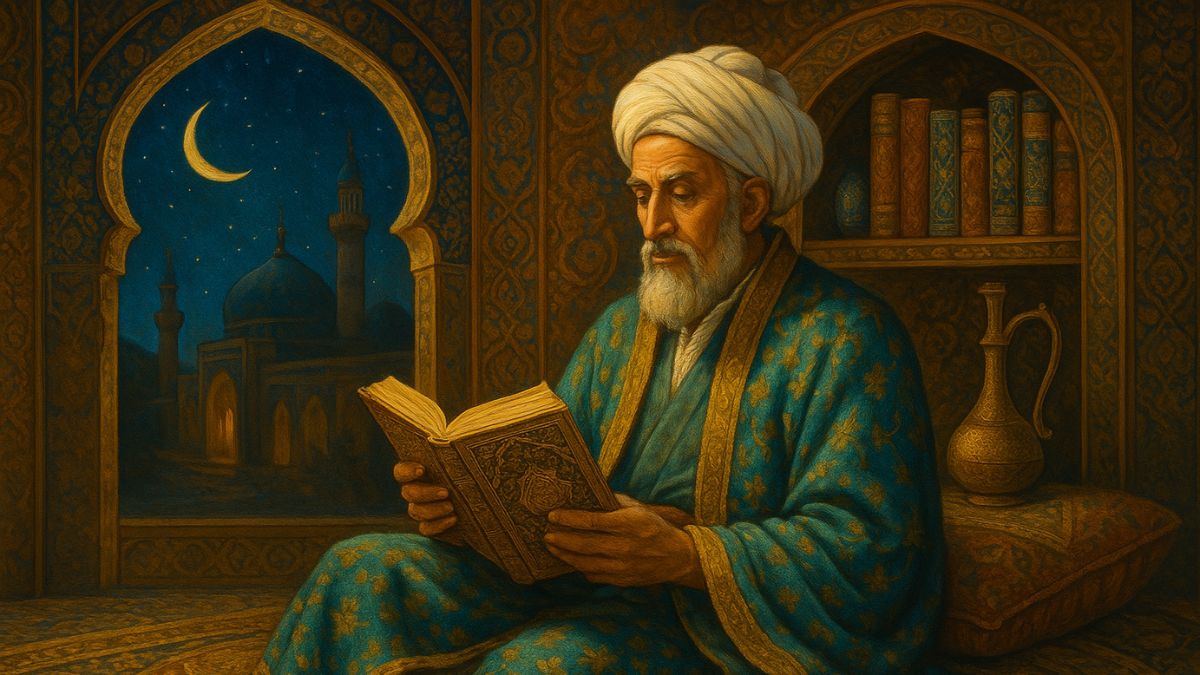
This episode journeys into the vibrant world of the Islamic Golden Age. We’ll explore the profound influence of the Quran as a literary text, the epic scope of the Persian Shahnameh, the mystical poetry of Rumi and Hafez, and the global travels of the enchanting collection, One Thousand and One Nights.
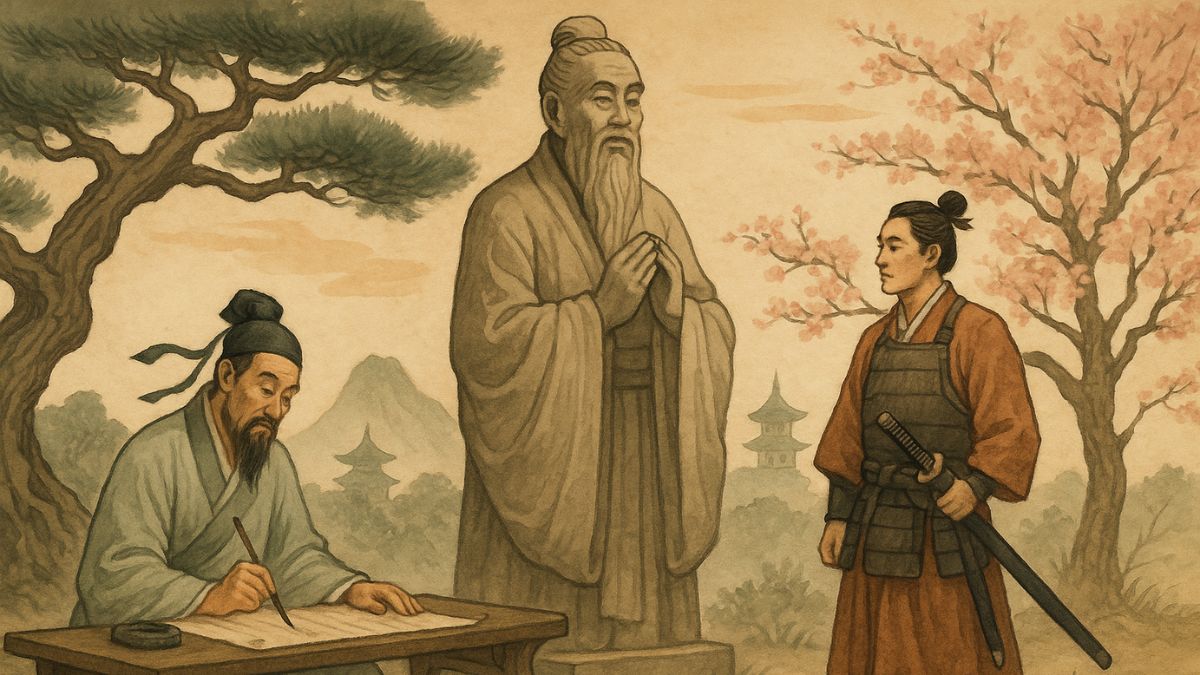
Focusing on the interconnected traditions of China, Japan, and Korea, this episode explores a literature where poetry, philosophy, and governance are deeply intertwined. We’ll discuss the wisdom of Confucius, the breathtaking beauty of Tang Dynasty poetry, and the creation of the world’s first novel, The Tale of Genji in Japan.
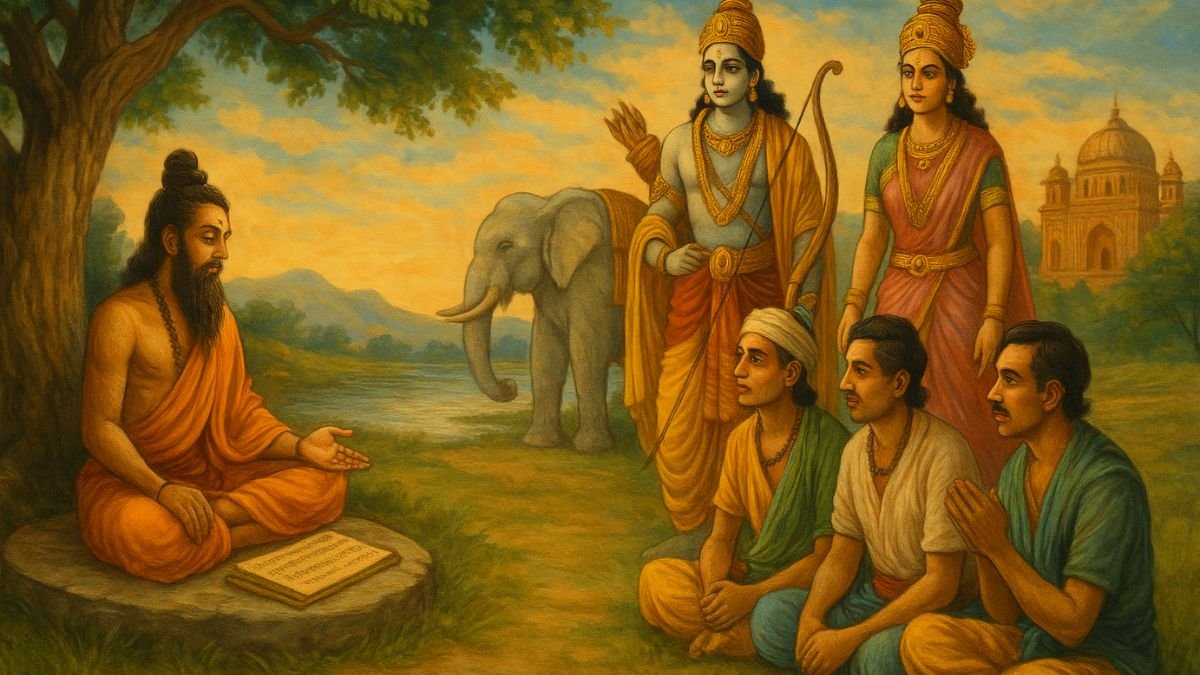
This episode dives into the immensely rich and ancient literary traditions of the Indian subcontinent. We explore the spiritual depth of the Vedas and the Upanishads, and unravel the sprawling narratives and profound moral questions of the great epics, the Mahabharata and the Ramayana, which continue to influence billions of lives today.
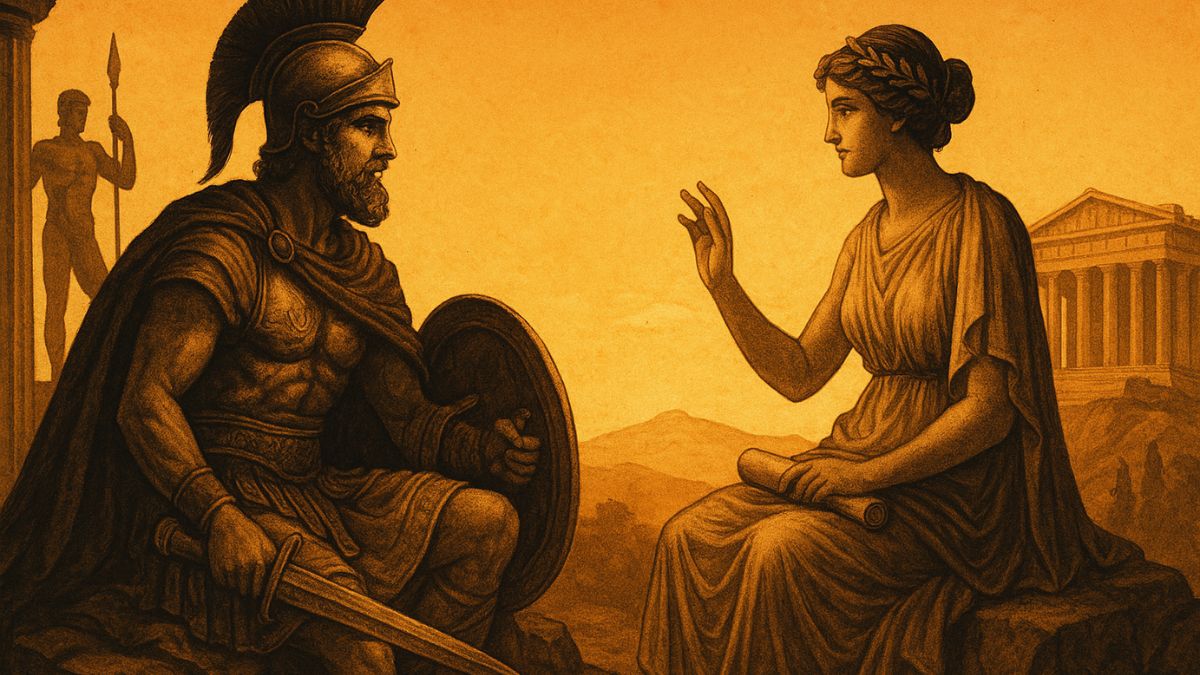
We journey to ancient Greece and Rome to uncover the cornerstones of Western literature. From the epic poems of Homer and the tragedies of Sophocles to the philosophical dialogues of Plato and the poetry of Virgil, this episode explores how these classical works shaped our ideas of heroism, democracy, drama, and rhetoric.

Learn the English of instructions — imperatives, must vs mustn’t vs don’t have to, the zero conditional for rules, and the precise language of rulebooks. Plus the teaching technique that fixes most bad explanations.
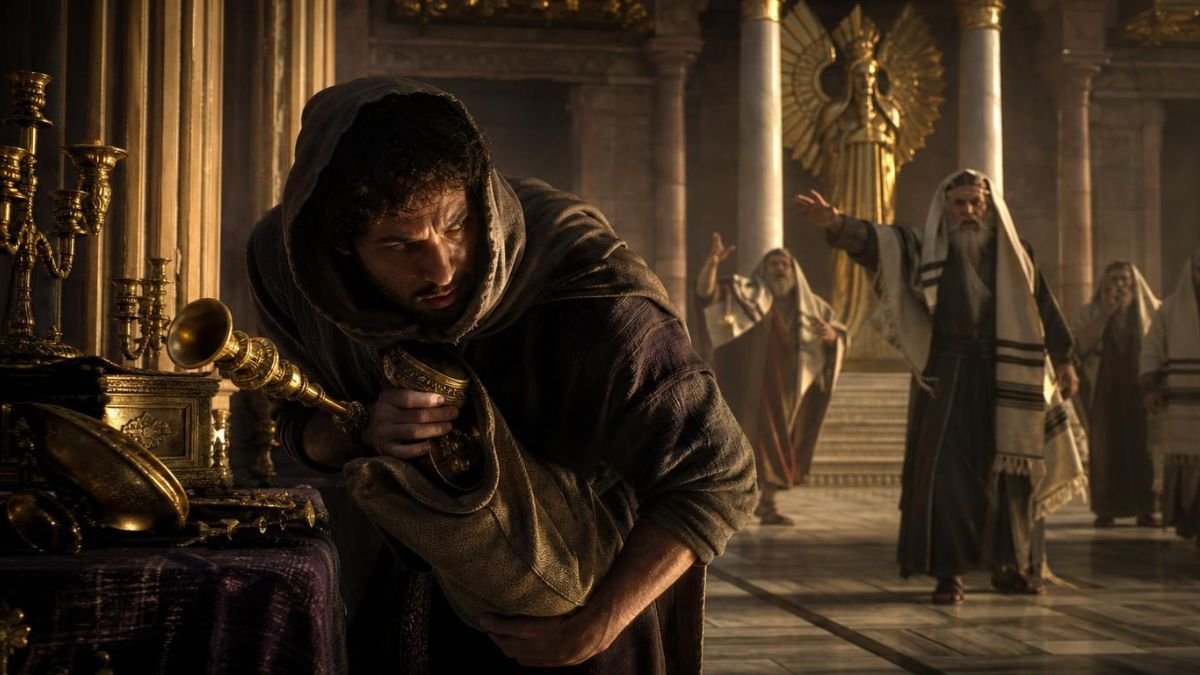
A poetic dive into “sacrilegious”; a word that literally means stealing sacred things, and what it tells us about how we still designate the untouchable.

The Sun blows a bubble bigger than the solar system, and we live inside it. Explore the heliosphere, the two Voyagers that flew out of it, and why leaving is so hard to define.
A poetic dive into the Portuguese expression engolir sapos, to swallow toads, and what amphibian skin reveals about the price of keeping the peace.
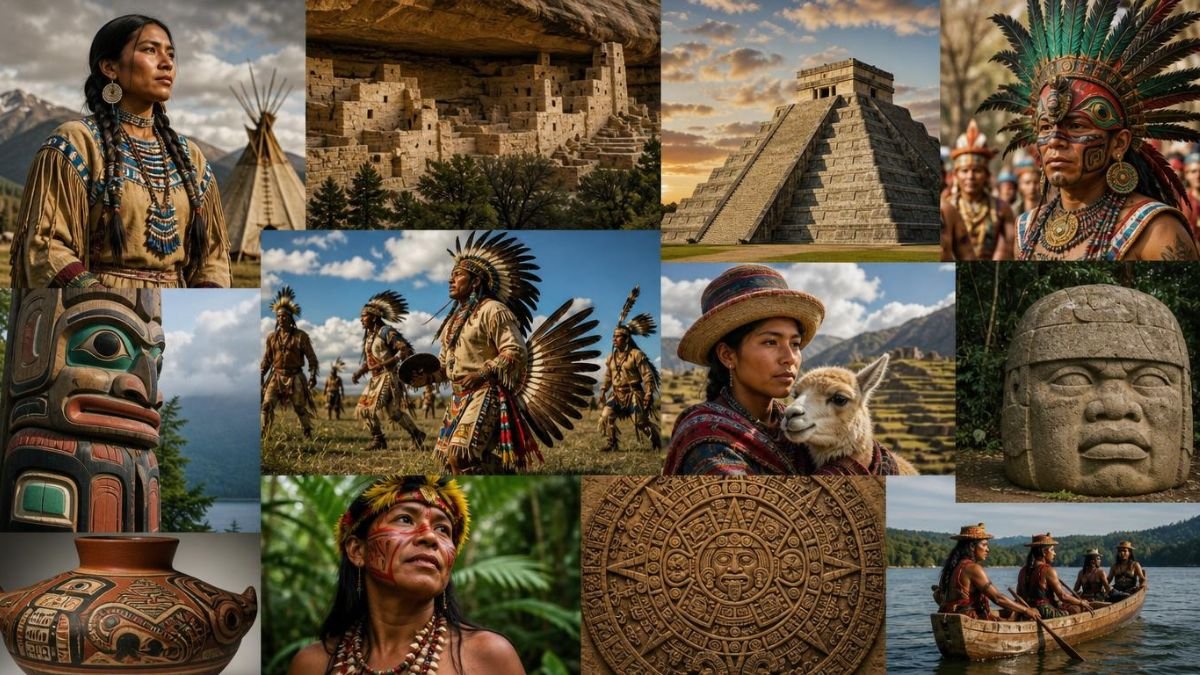
Advanced English listening practice for IELTS, TOEFL, and SAT. Listen to an academic lecture on Indigenous American civilizations and answer 10 exam-style questions.
A poetic exploration of “forgive and forget” — a phrase whose two halves have almost nothing to do with each other, and why the second one may be quietly ruining the first.