Why do we yearn for the past? In this Word Power episode, we explore the psychology of nostalgia while mastering advanced vocabulary like wistful, evocative, and rose-colored glasses.
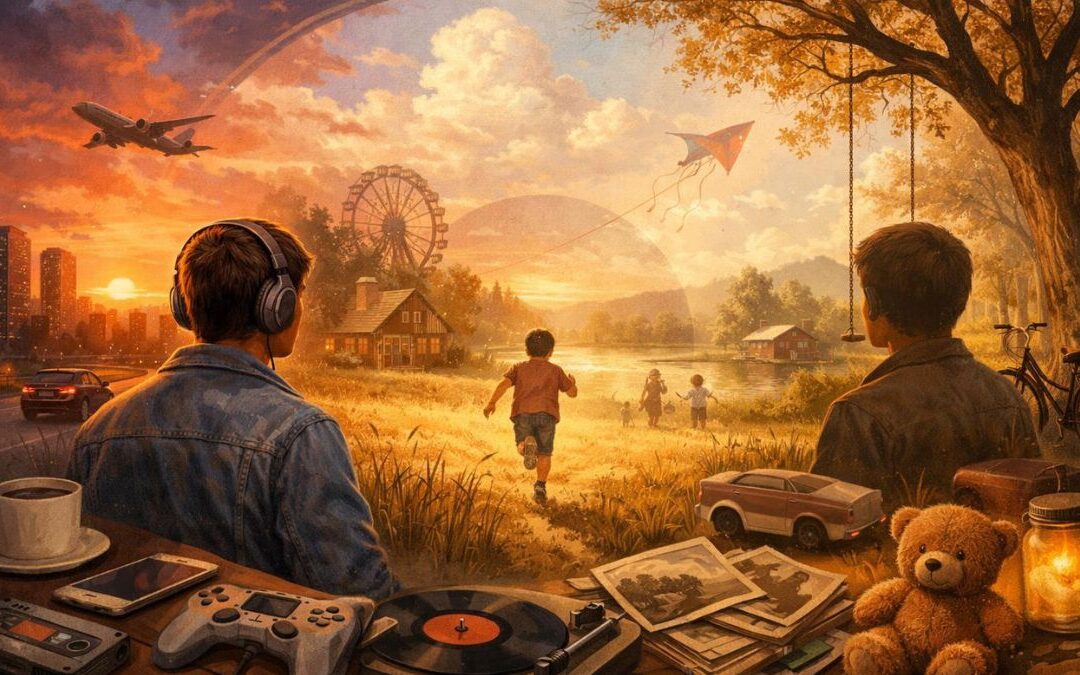

Why do we yearn for the past? In this Word Power episode, we explore the psychology of nostalgia while mastering advanced vocabulary like wistful, evocative, and rose-colored glasses.
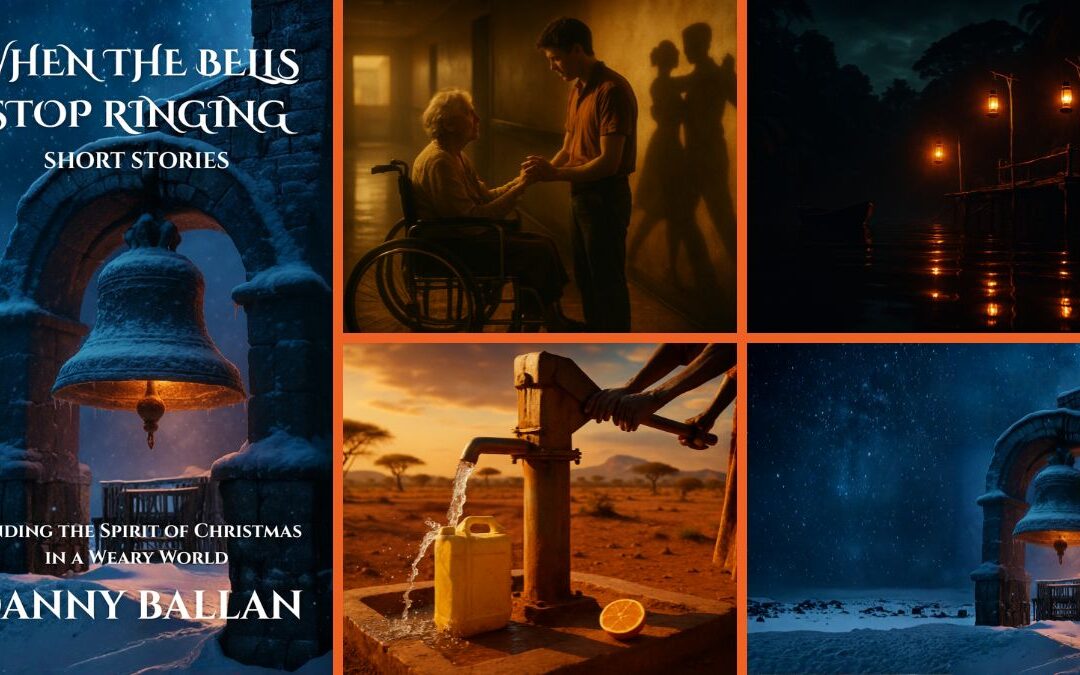
As 2025 comes to a close, we look at the transition from holiday magic to ordinary reality. Through stories set in a nursing home in Buenos Aires, a dark river in the Amazon, and a drought-stricken well in Turkana, we ask: How do we keep the music playing when the orchestra stops?
And finally, we look to the day after. The bells have stopped ringing, the guests have gone, and the wax has hardened on the table. We often treat the holiday spirit like a decoration—something to be packed away in a box until next year. But what if the kindness, the open doors, and the shared bread were not a seasonal performance, but a blueprint for how to live? In this final reflection, we ask what it means to carry the light of the feast into the famine of the ordinary days ahead.
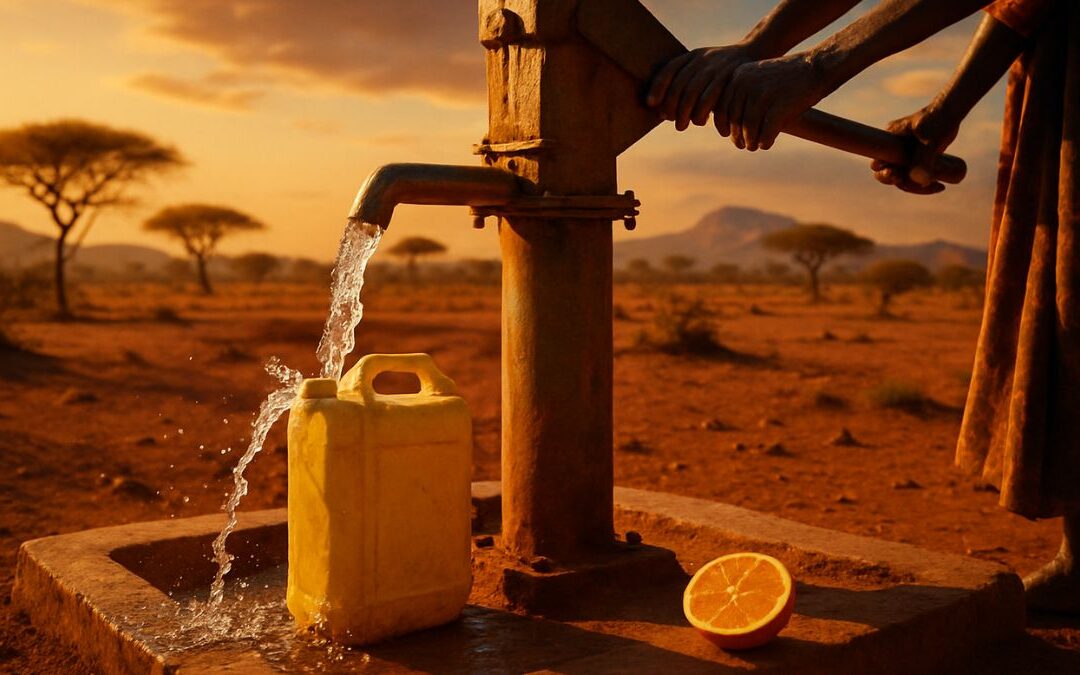
In the drought-stricken lands of Turkana County, the sun is a hammer and water is more precious than gold. Zola, a young woman from the Turkana tribe, walks miles to the only working well, knowing it sits on the dangerous borderlands of the enemy Pokot tribe. When she arrives, she is not alone. A woman from the opposing tribe is already there. With no men and no guns—just two women and a rusted, heavy pump handle—they face a choice: hold onto the history of war, or work together to survive the day.
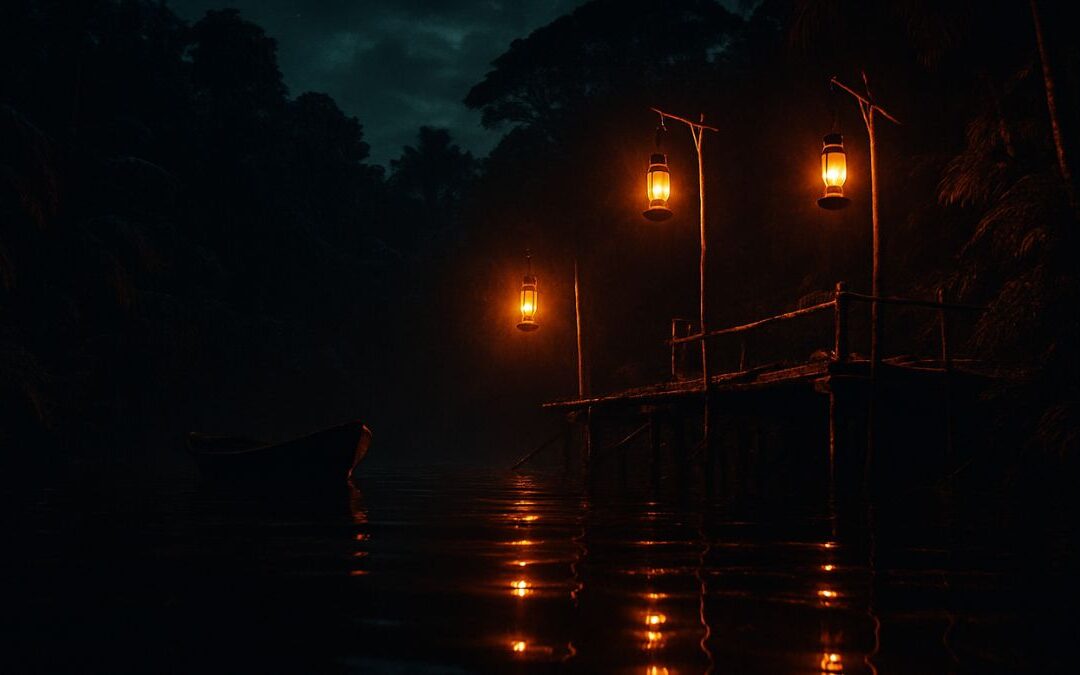
The Amazon River at night is a cacophony of jungle sounds and pitch-black water. Thiago, a boat pilot, knows the dangers of the current, but when his engine dies on Christmas Eve, he finds himself drifting helplessly in the dark. Alone, with the rain pouring down and the river spinning him toward the unknown, he spots a faint spark in the distance. It isn’t a city or a harbor, but a flickering light on a rotting dock. This is a story about the terror of being adrift, and the humble lights that guide us home.
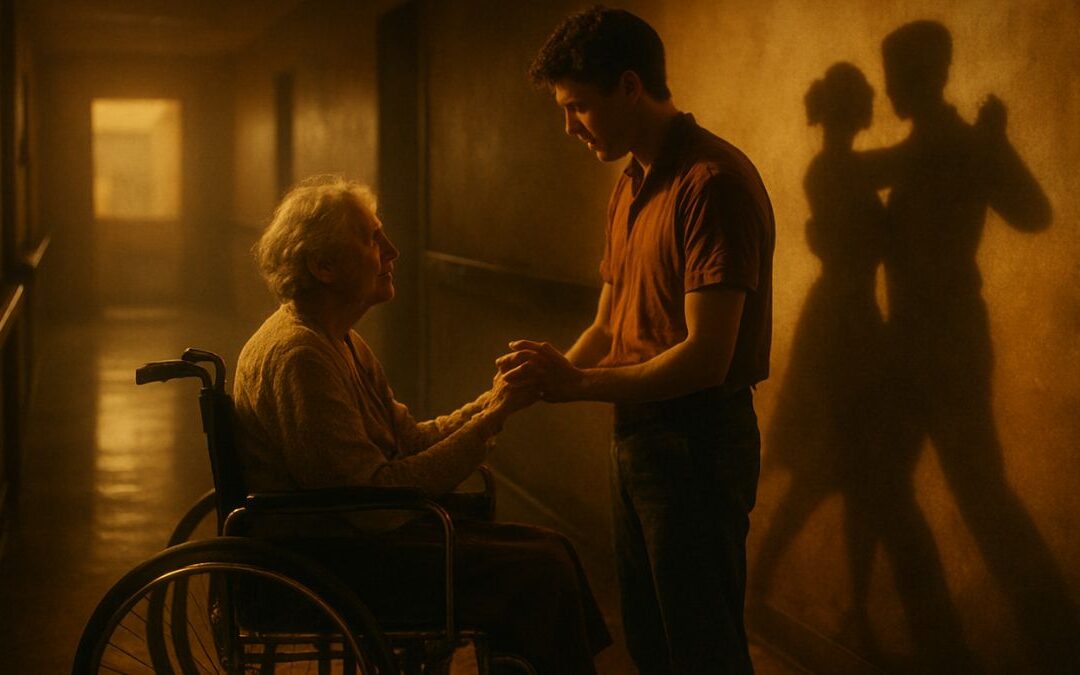
The heat in Buenos Aires presses against the windows of the nursing home, where Valeria sits in her wheelchair, her dancing days long behind her. To the staff, she is just a number on a chart; to herself, she is a history book gathering dust. But Lucas, a young orderly with untucked clothes and a mop in his hand, knows a secret. He knows the music of the bandoneón. When he plays an old tango on his phone, the sterile room transforms, and Valeria is reminded that the dance doesn’t end just because the legs have stopped moving.
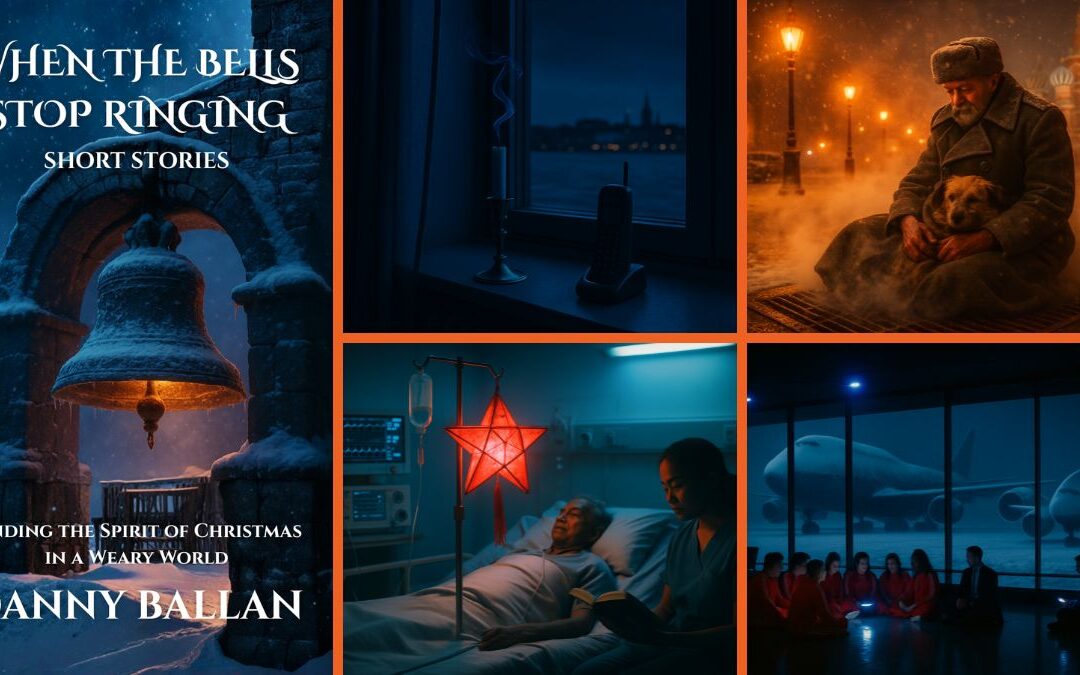
Why are we so afraid of the pause? In this episode, we travel to a silent apartment in Stockholm, a frozen grate in Moscow, a sterile ICU in Manila, and a chaotic airport in Frankfurt to explore what happens when life forces us to wait.
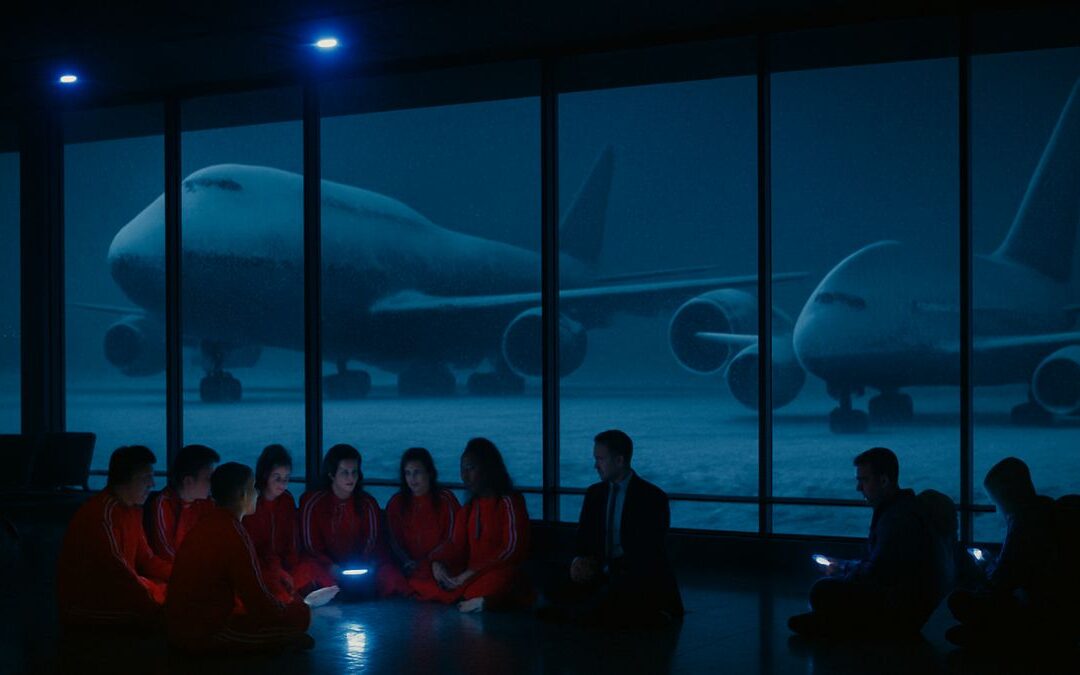
Frankfurt Airport is a cathedral of efficiency, designed to move millions without a hitch. But on Christmas Eve, a massive snowstorm has stopped the clock. At Gate Z-15, the mood is toxic: business travelers are shouting, tourists are hoarding power outlets, and the departure board is a sea of red ‘CANCELED’ signs. Then, the lights go out. In the sudden darkness, a low hum begins in the corner—a melody that transcends language. Join us for a story about what happens when our plans are ruined, and we are forced to find harmony in the delay.
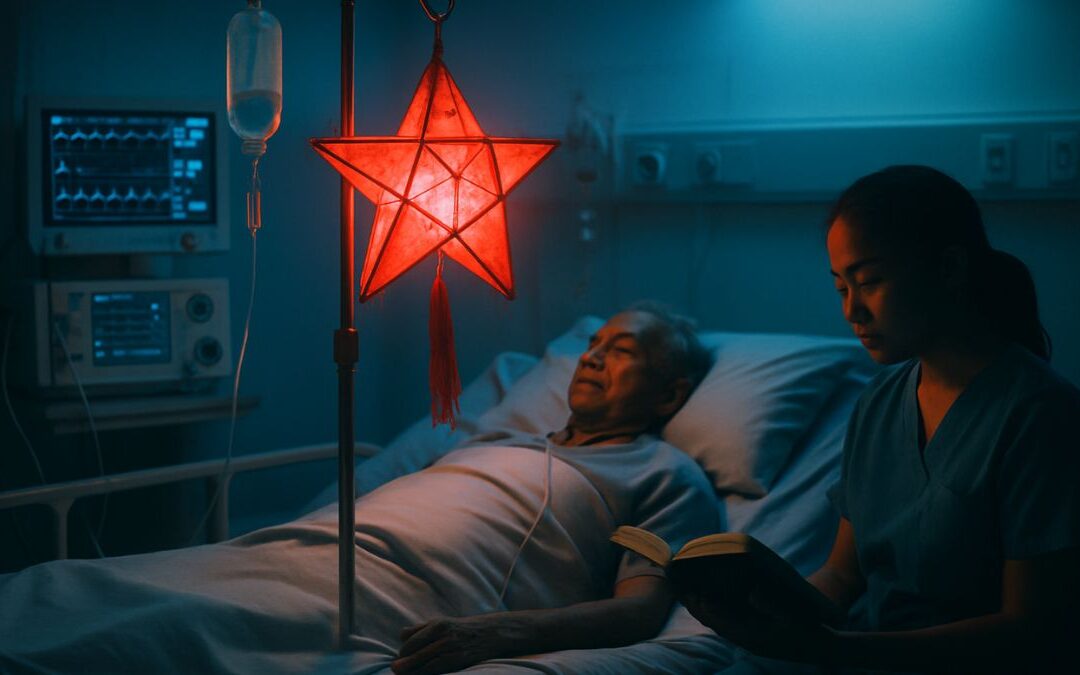
Manila is usually a symphony of noise—firecrackers, karaoke, and celebration. But inside the Public General Hospital, the air is sterile and silent. Reya, a nurse on the night shift, watches over ‘Lolo Ben,’ a coma patient with no family to claim him. It is Noche Buena, the midnight feast, and Reya refuses to let him spend it in the dark. She hangs a small paper lantern on his IV pole and begins to read. But the hospital doors are about to open, bringing a reminder that even in the quietest rooms, we are never truly alone.
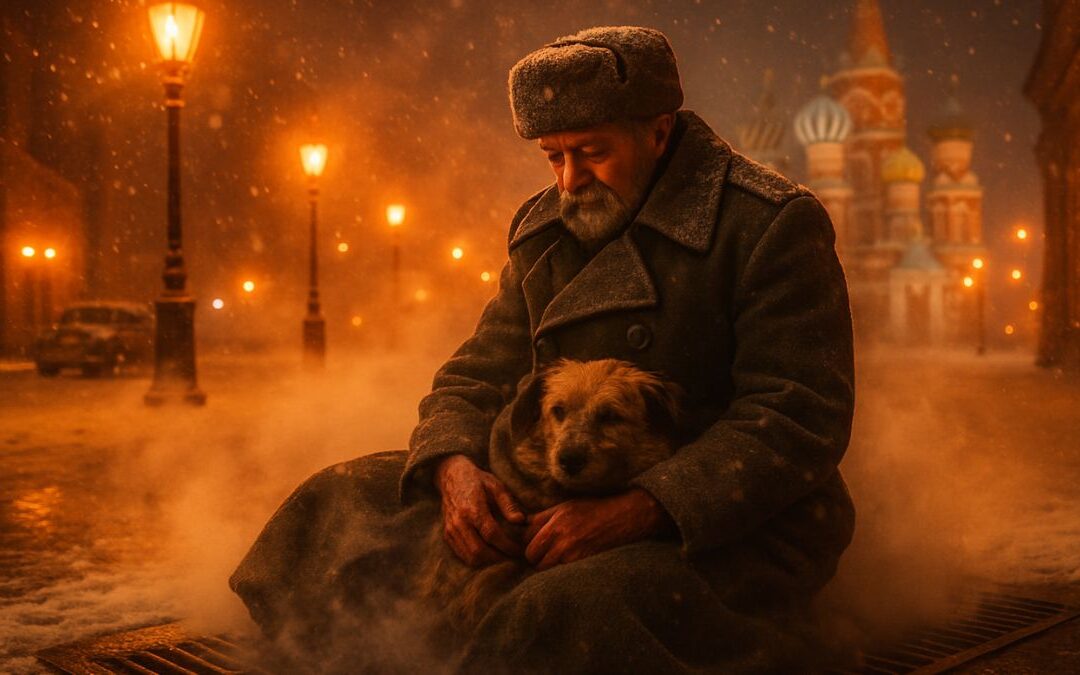
The cold in Moscow is a living entity, prowling the streets for any weakness. Ivan, a homeless veteran, sits on a steam grate behind a metro station, his only warmth coming from the mongrel dog, Laika, tucked inside his coat. When the Social Patrol van pulls up offering a warm bed in a shelter, there is a catch: no dogs allowed. Ivan looks at the open door of the van, and then at the loyal eyes of his companion. This is a story about the family we choose, and the lines we refuse to cross, even when the temperature drops to minus thirty.
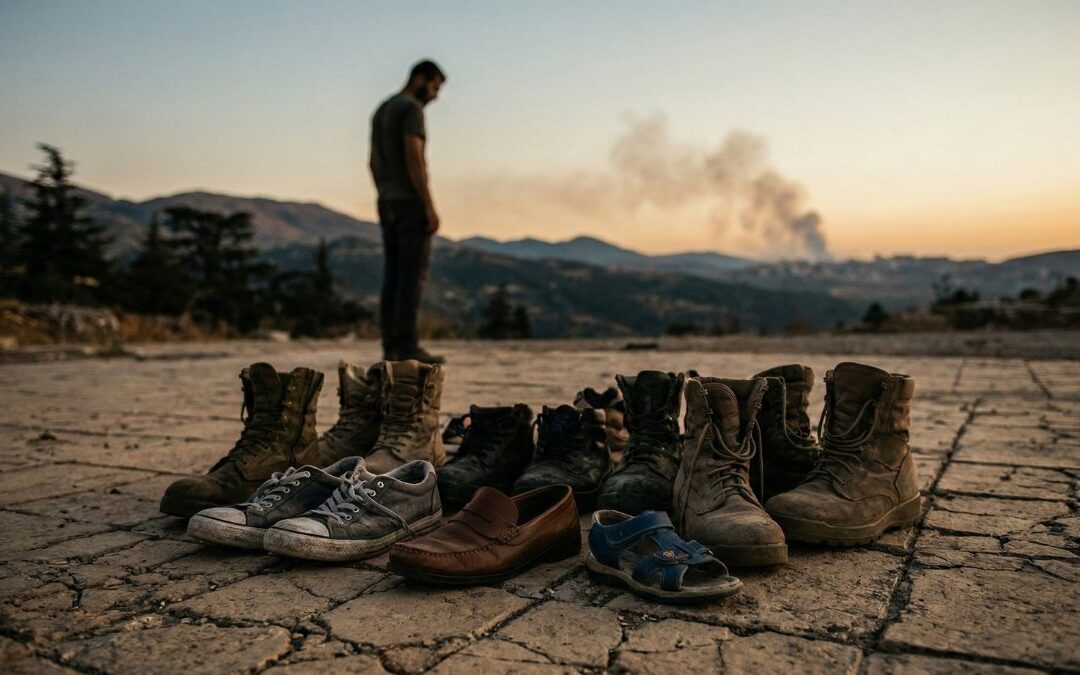
An emotional, stream-of-consciousness editorial exploring the human psyche behind the conflict in Lebanon. Walk in the shoes of all parties—soldiers, strategists, and civilians—to find the tragic irony, cognitive dissonance, and shared fear that drive the endless cycle of violence.
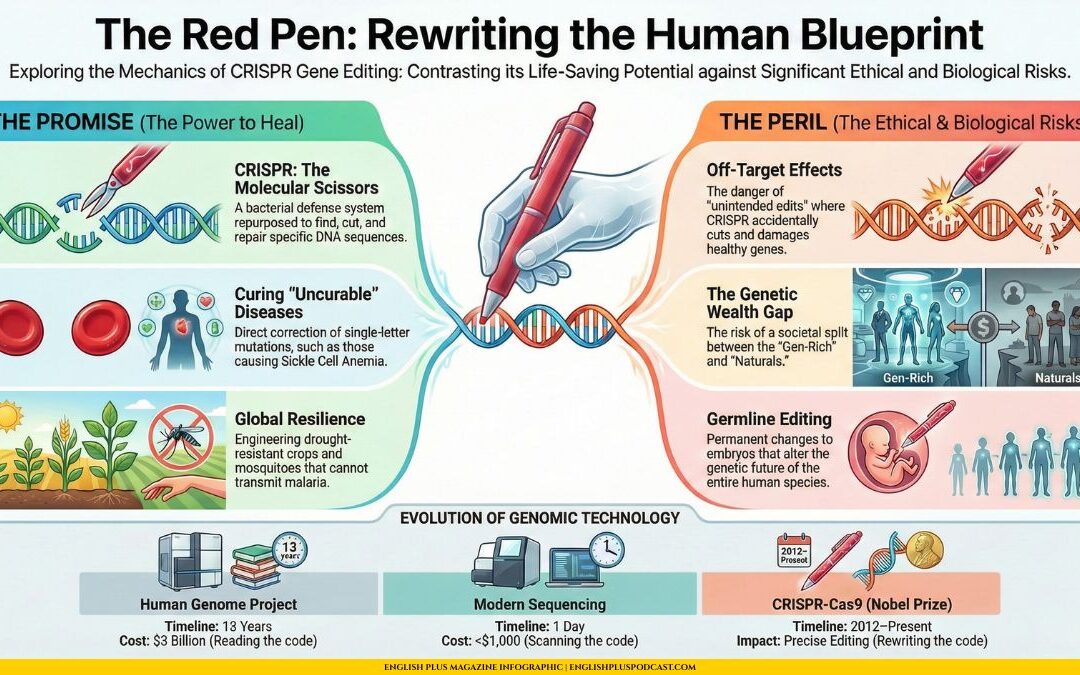
Explore the revolution of CRISPR and Genetics. From the Human Genome Project to designer babies, discover how we are learning to edit the code of life.

Why does ice float? It defies the laws of physics that apply to almost everything else. We dive into the density anomaly of water to reveal how a simple ice cube is actually a molecular miracle keeping life alive.
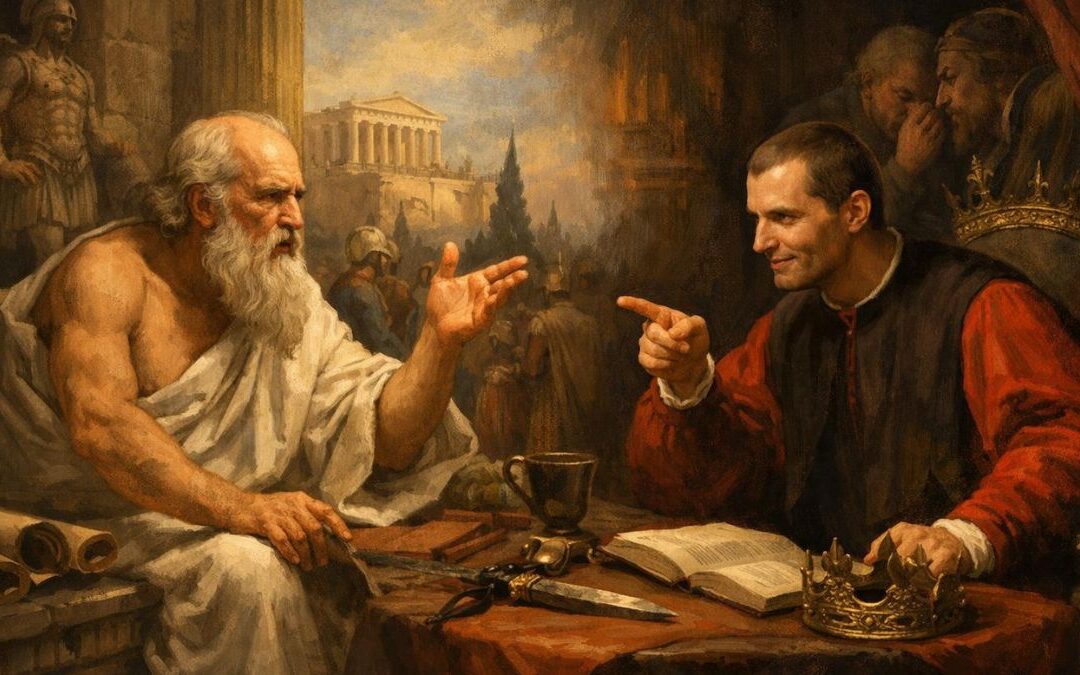
A philosophical inquiry into the nature of power. We explore the eternal conflict between Plato’s idealism and Machiavelli’s realism, asking if corruption is an inevitable flaw in the human soul or a necessary tool for survival.
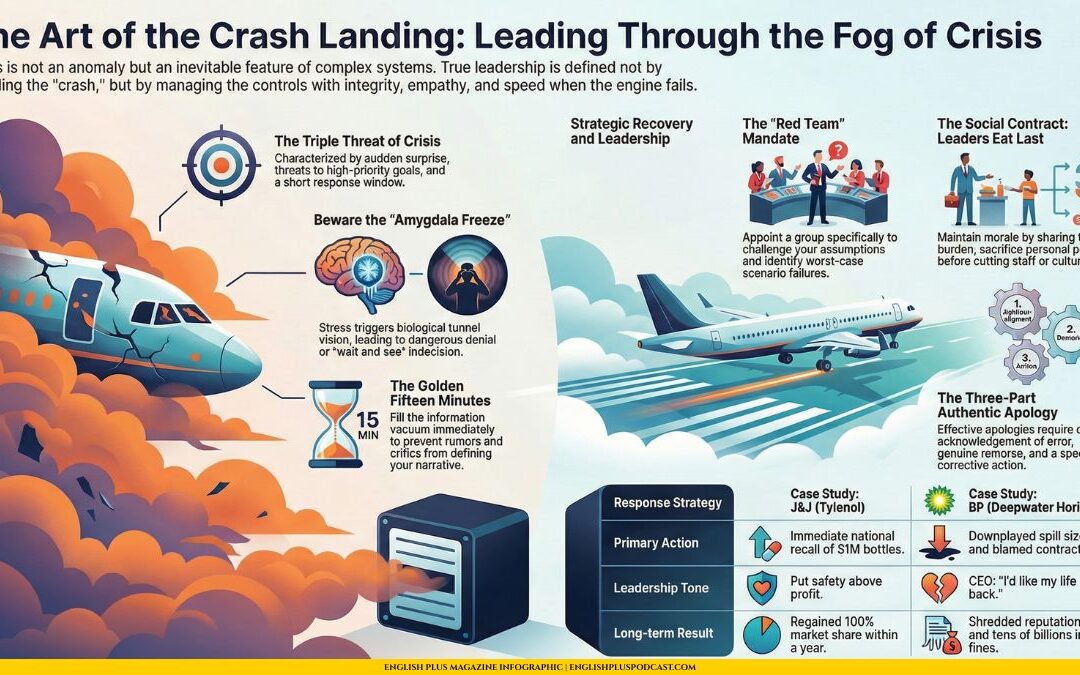
Learn the art of crisis leadership. From the psychology of panic to the strategy of the apology, discover how to lead effectively when everything goes wrong.
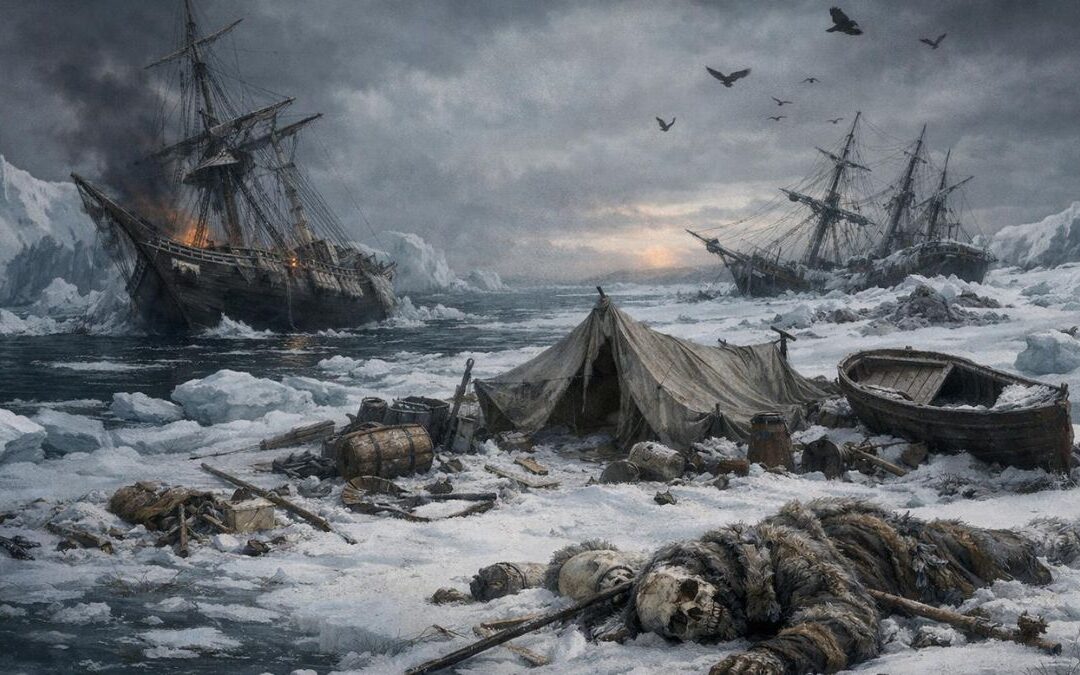
What really happened to the Franklin Expedition? We journey into the icy heart of the Arctic to unravel the fate of HMS Erebus and Terror, a tale of ambition, madness, and the terrifying power of nature.