A poetic dive into the Arabic phrase kasr al-khatir — “the breaking of the khatir” — and why one language decided that wounding a person’s feelings is not an emotional event but a skeletal one.
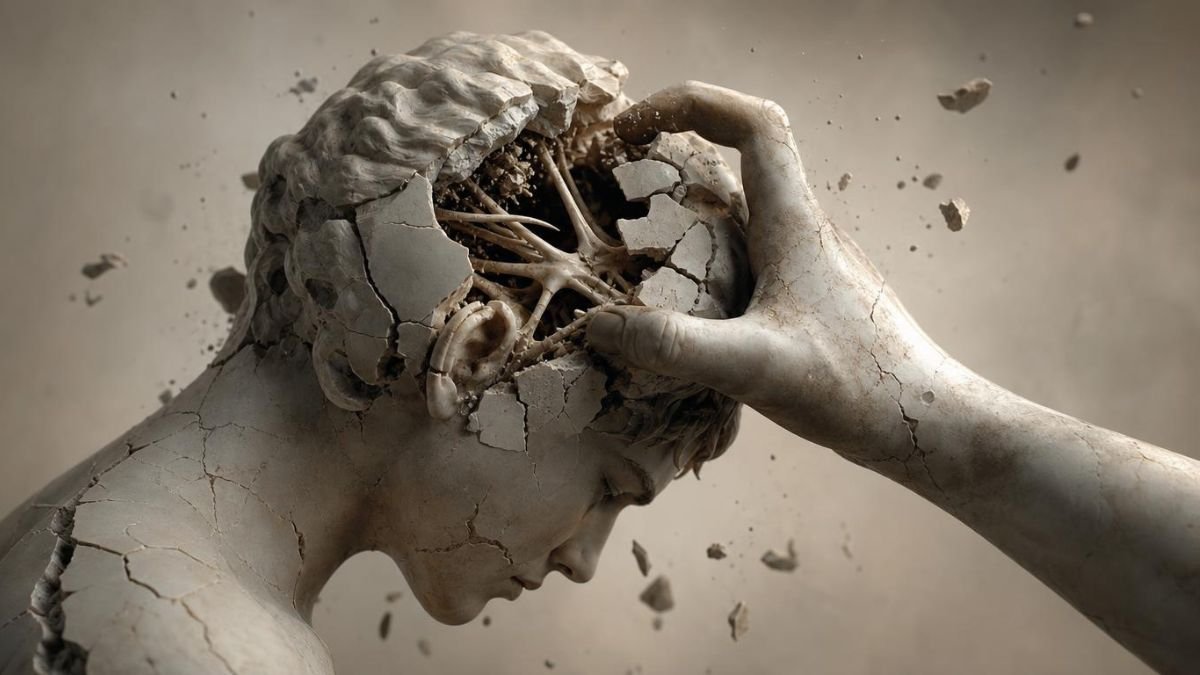

A poetic dive into the Arabic phrase kasr al-khatir — “the breaking of the khatir” — and why one language decided that wounding a person’s feelings is not an emotional event but a skeletal one.
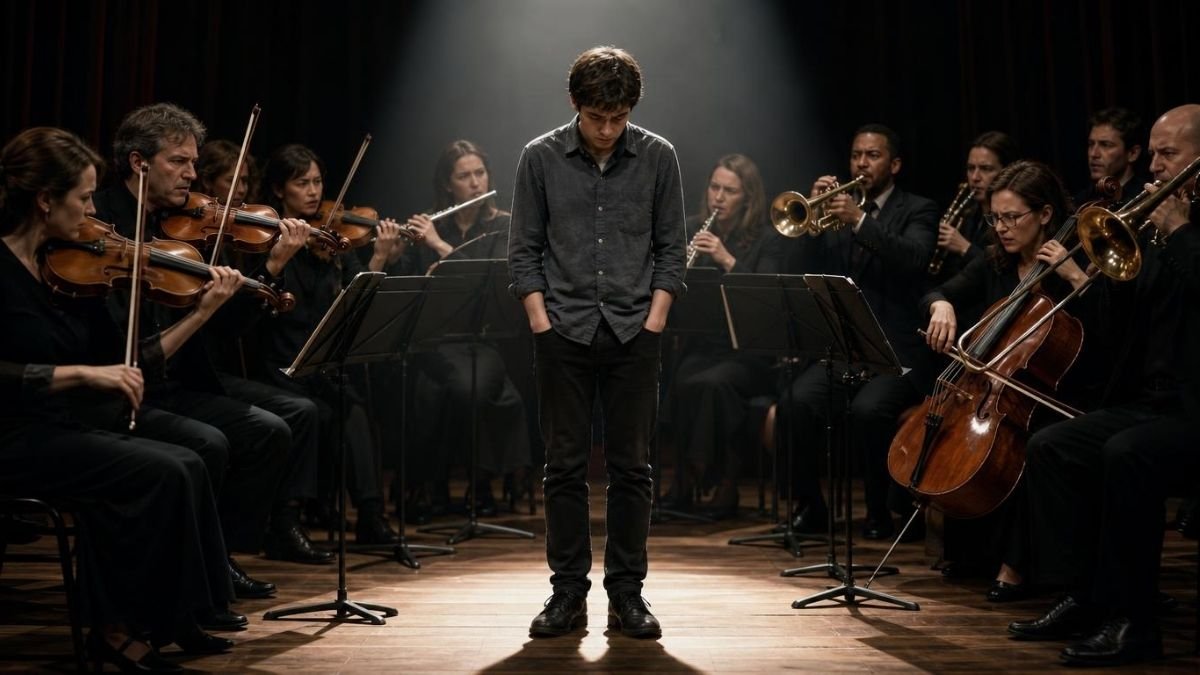
A poetic dive into “face the music” — a phrase about turning your body toward the thing you’d rather flee, and the odd fact that we chose music for the moment of reckoning.

A poetic exploration of “fallible” — a word that means able to fall, and why the ability isn’t a flaw in the design but the definition of being a creature that moves.

A poetic dive into “wipe the slate clean” — a phrase from the tavern wall, where your debts were written in chalk precisely because chalk can be erased.

Contemporary means sharing the same time. But it carries something more interesting than a date stamp. In this episode, we explore what it means to be a person of your moment — and what you owe to the time you’re living in.

We carry things we don’t always name. Worry, responsibility, guilt, unresolved situations — they accumulate on the shoulders the way nothing visible accumulates anywhere. The moment that weight lifts is one of the most visceral experiences in human life. This episode explores the beautiful, embodied truth of one of English’s most honest expressions.
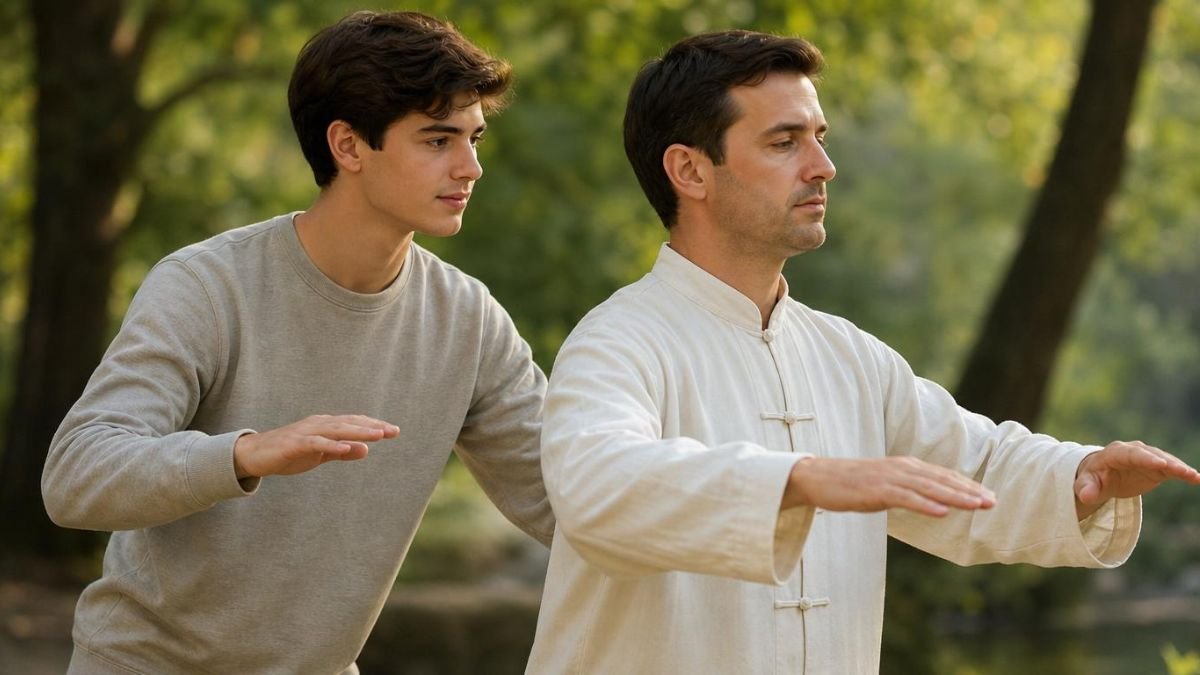
Imitation might be the sincerest form of flattery, but emulation is something deeper — it’s not just copying, it’s aspiring. In this episode, we explore the difference and ask: who are you emulating, and what does that say about who you want to become?

No one asks for a wake-up call. They come uninvited — a crisis, a diagnosis, a loss, a failure — and they deliver a message you weren’t ready to receive. But ‘a wake-up call’ is, in the end, an act of grace. This episode explores one of the most significant expressions in English, and why being woken up — however harshly — is almost always better than staying asleep.

Audacity is the word for the move that shouldn’t work but might — for the pitch that’s too big, the ask that’s too much, the step that everyone around you says is a step too far. In this episode, we celebrate the beautiful nerve of the audacious.

You’ve probably been in one. The problem creates the condition that reinforces the problem. Round and round, each turn tightening the spiral. ‘A vicious cycle’ is one of the most precise expressions in English for a particular kind of trap — and this episode explores both what makes cycles vicious and what it takes to break them.

A poetic exploration of “forgive and forget” — a phrase whose two halves have almost nothing to do with each other, and why the second one may be quietly ruining the first.
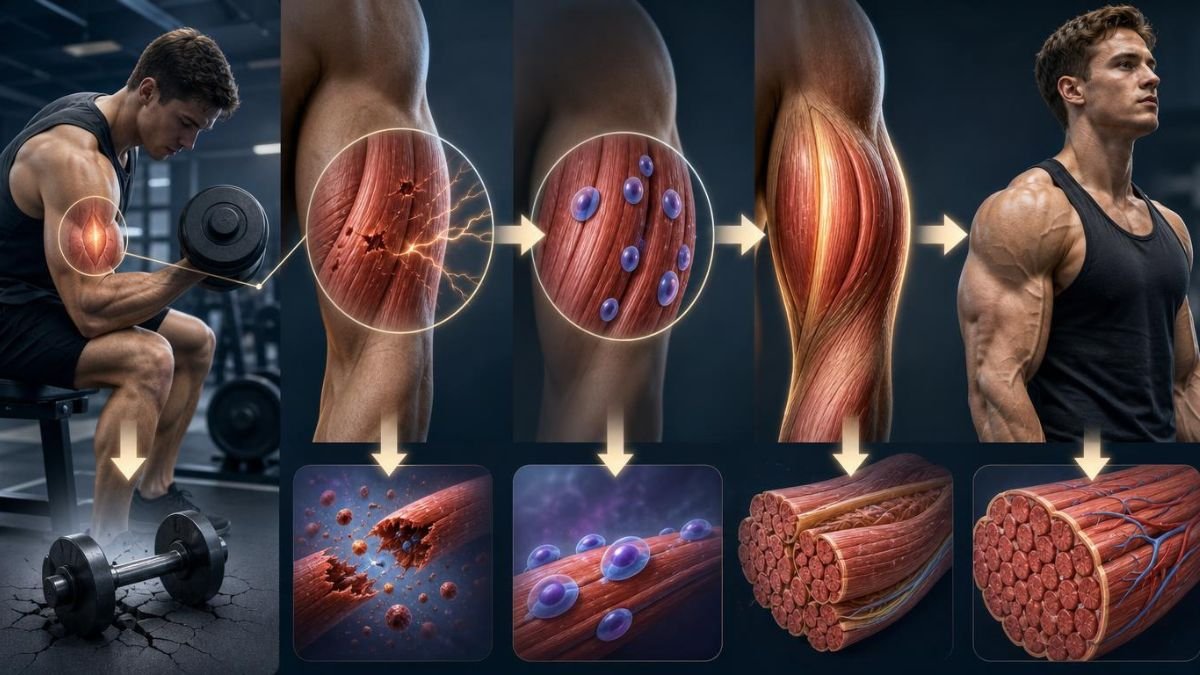
Soreness isn’t the signal. Lactic acid isn’t the culprit. What actually builds muscle is stranger and slower than you were told, and the English for it is worth having.

A poetic dive into 忍, the Japanese character for endurance, which draws a knife directly above a heart, and what a swordsmith’s clay can teach you about surviving the pressure.

A poetic dive into the Italian good-luck phrase in bocca al lupo — “into the mouth of the wolf” — the argument Italians are still having about the correct reply, and what predators actually do to a landscape.

A poetic dive into “dirge” — a word for the music of grief, which turns out to be the crumpled remains of a Latin word meaning guide me.

Medieval Europeans knew the Earth was round. Columbus knew. His critics knew, and they were right about the part that mattered. So where did the flat Earth story come from? A novelist, two Victorian polemicists, and our deep appetite for feeling smarter than the dead.