Surprise! Honeybees might be able to recognize your face. Discover the science behind this surprising ability and what it tells us about insect intelligence.
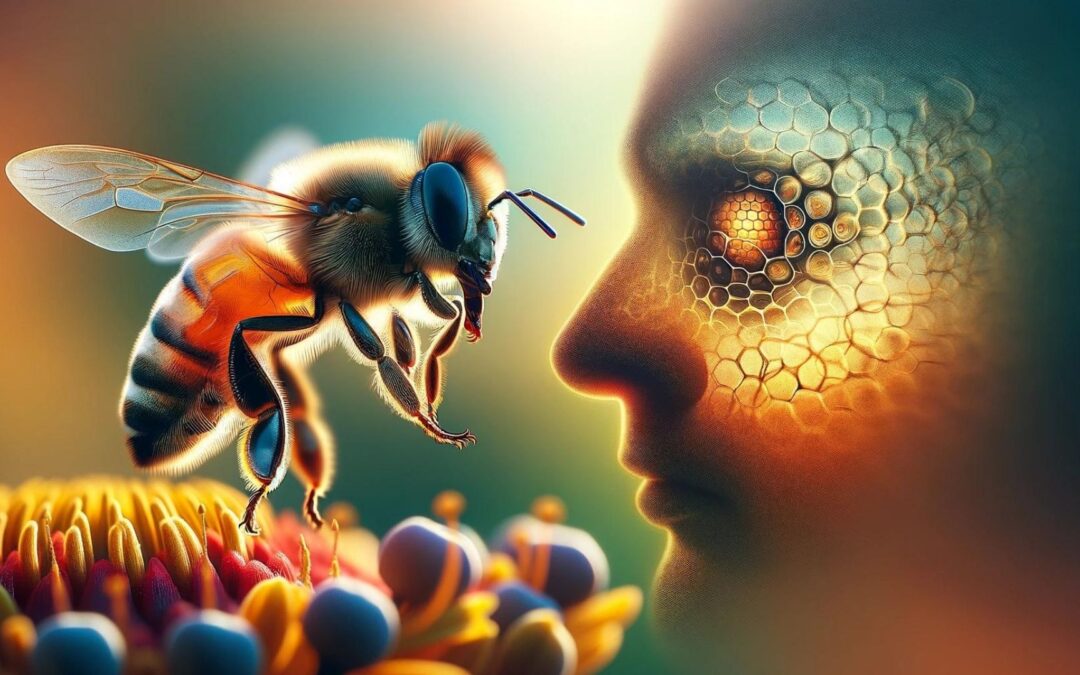

Surprise! Honeybees might be able to recognize your face. Discover the science behind this surprising ability and what it tells us about insect intelligence.

The human liver has an astonishing ability to regenerate itself. Learn what makes this possible, its medical implications, and the potential for future treatments.
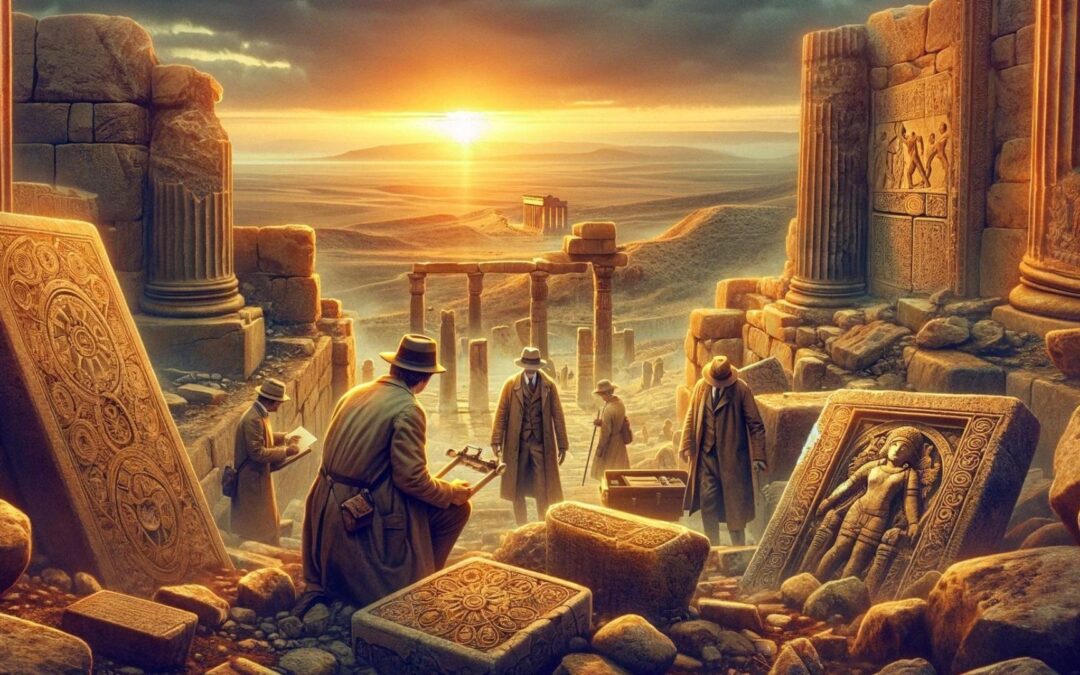
Explore the captivating story of Troy, the legendary city of the Trojan War. Learn how it transformed from myth to archaeological reality and how its discovery changed history.

Dive into the mysteries of the Challenger Deep, the deepest point on our planet. We’ll explore its incredible depth, the challenges of exploration, and the strange creatures that call it home.

Discover the fascinating connection between the word “spirit” and the simple act of breathing. Listen to the “Did You Know” podcast to learn more!

Discover whistled languages, a fascinating form of communication where melodies replace spoken words. Listen to the “Did You Know” podcast to learn more!

Discover the surprising journey of the number zero and its late arrival in Western thought. Listen to the “Did You Know” podcast for fun history facts!
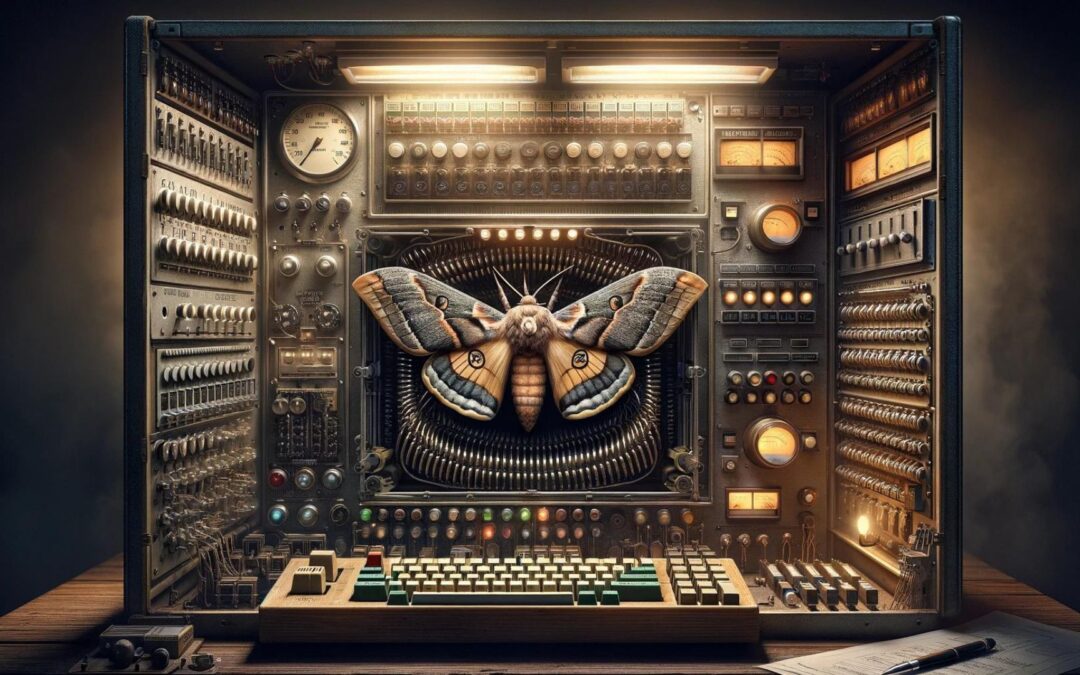
Discover the hilarious true story of the first-ever computer “bug” – a literal moth! Listen to the “Did You Know” podcast for tech history fun.

Is your brain playing tricks? Learn about the Baader-Meinhof Phenomenon, the weird feeling that something you just learned about is suddenly popping up all over the place.

Discover Point Nemo, the most remote spot in the ocean. It’s so far from land that the closest humans are often astronauts in space!
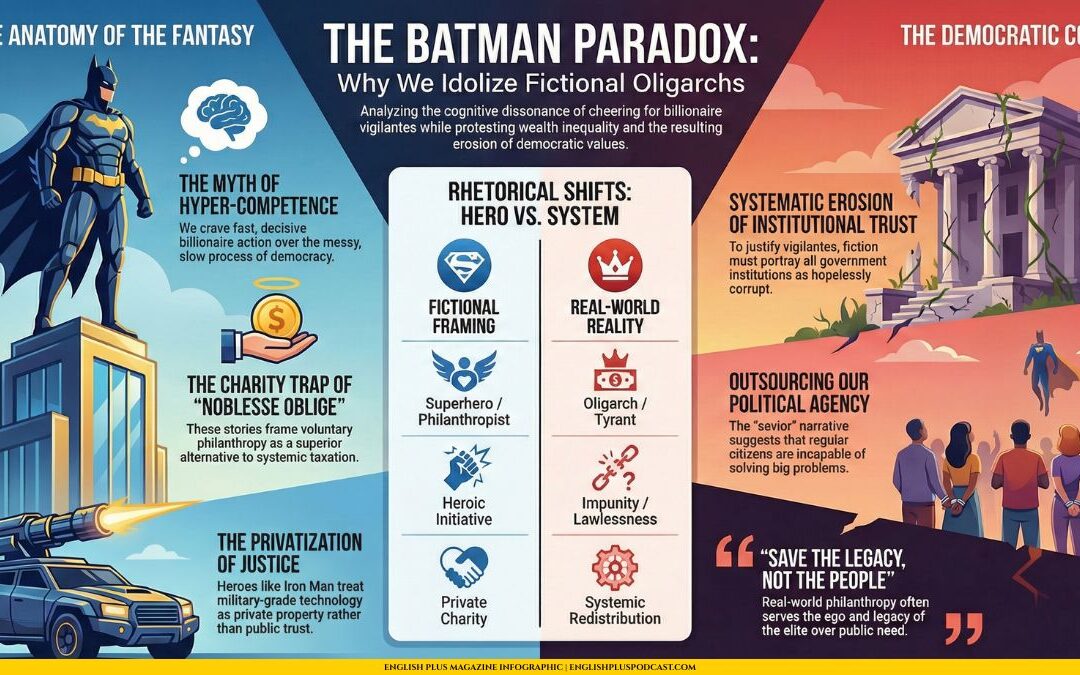
Why do we cheer for billionaire vigilantes in movies but protest them in real life? Explore the “Batman Paradox” and what it reveals about our views on democracy, justice, and power.
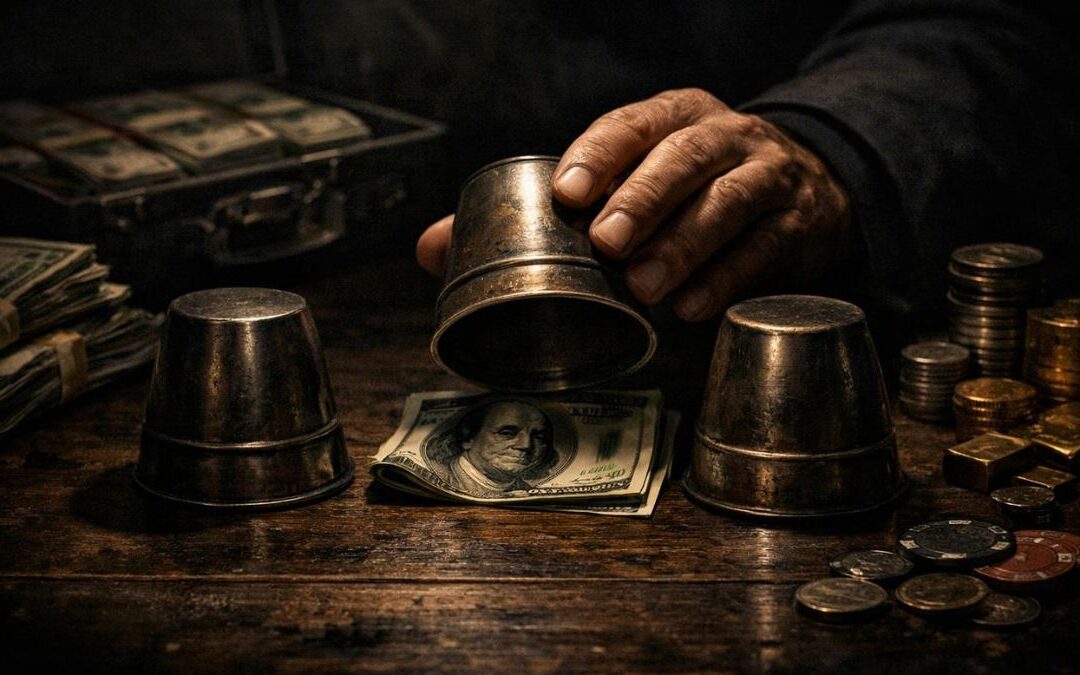
Uncover the secrets of the “Shell Game” in Episode 2 of Shadow Games. We explain how shell companies work, the truth about offshore tax havens, and how “Dark Money” influences politics without leaving a trace. A guide to financial opacity.
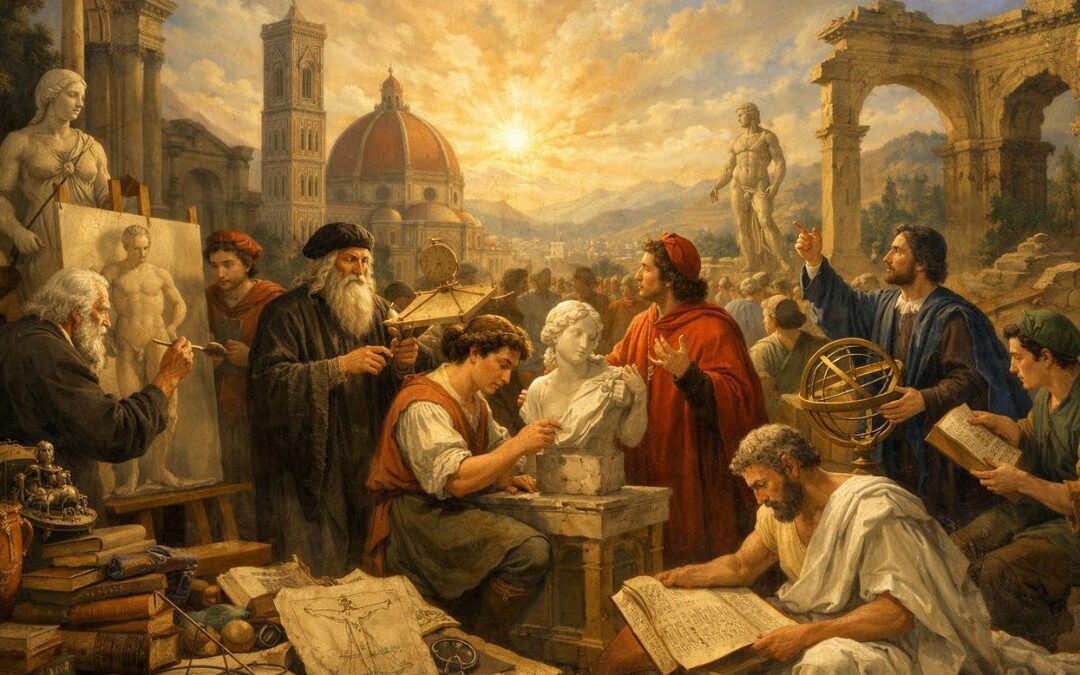
Dive into the Renaissance, the explosive era that bridged the medieval and modern worlds, transforming art, science, and the very essence of human potential.
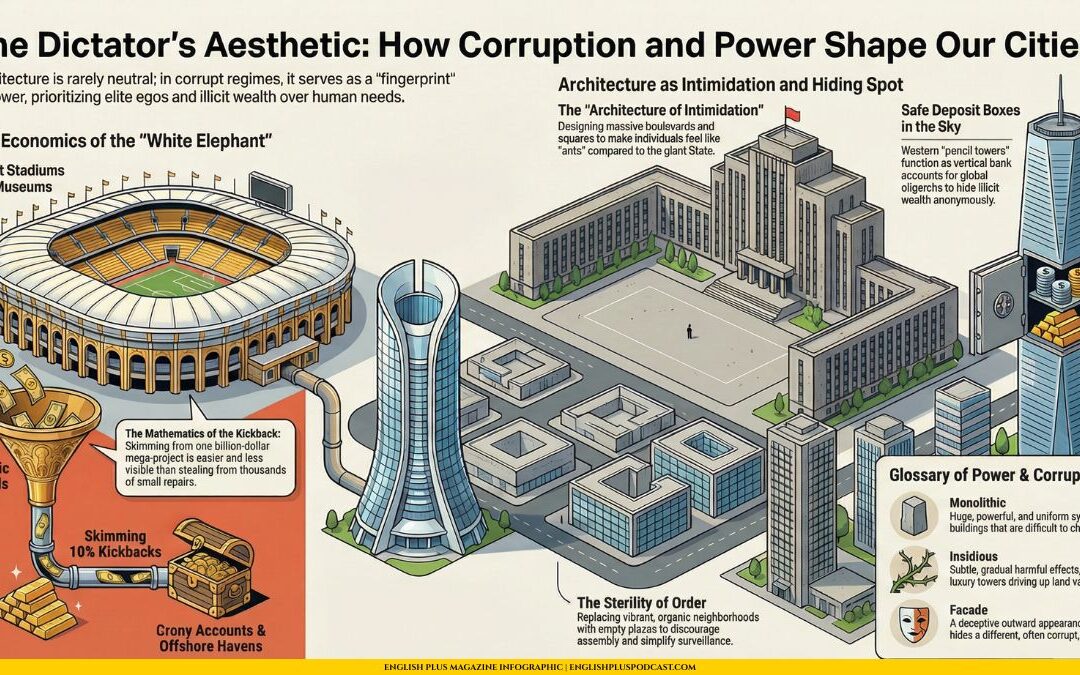
Explore the link between architecture and corruption. From ghost stadiums to pencil towers, discover how authoritarianism and money laundering shape our skylines in this deep-dive article.
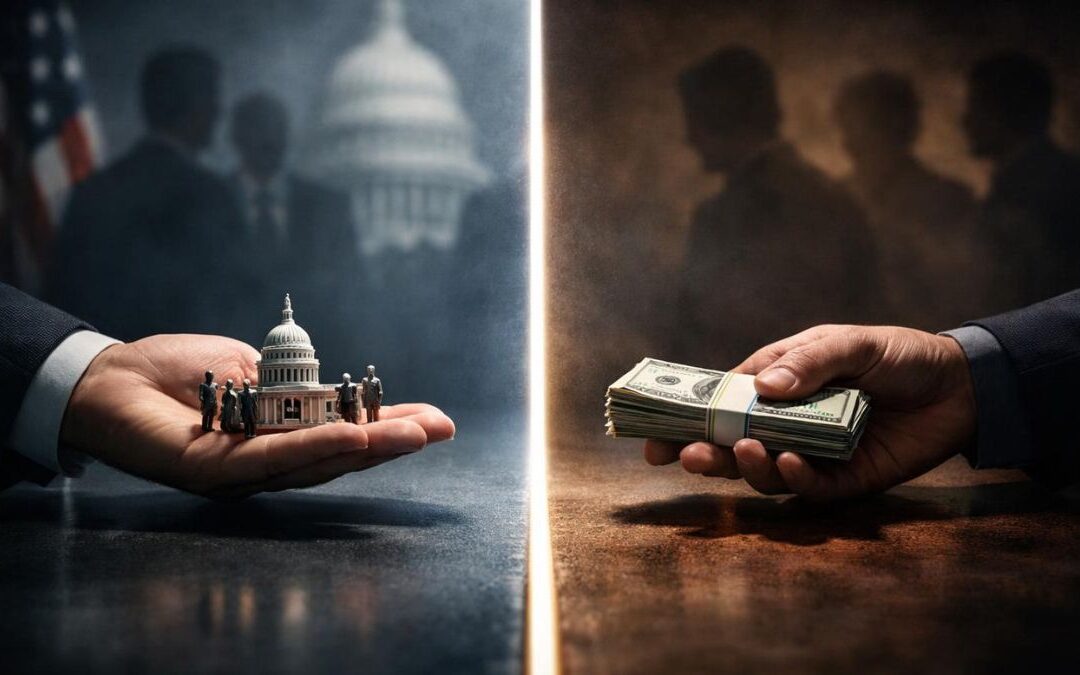
Explore the murky world of political influence in Shadow Games Ep 1. We breakdown the fine line between legal lobbying and bribery, the revolving door, and the pay-to-play reality of modern power. Essential reading for understanding how governments really work.
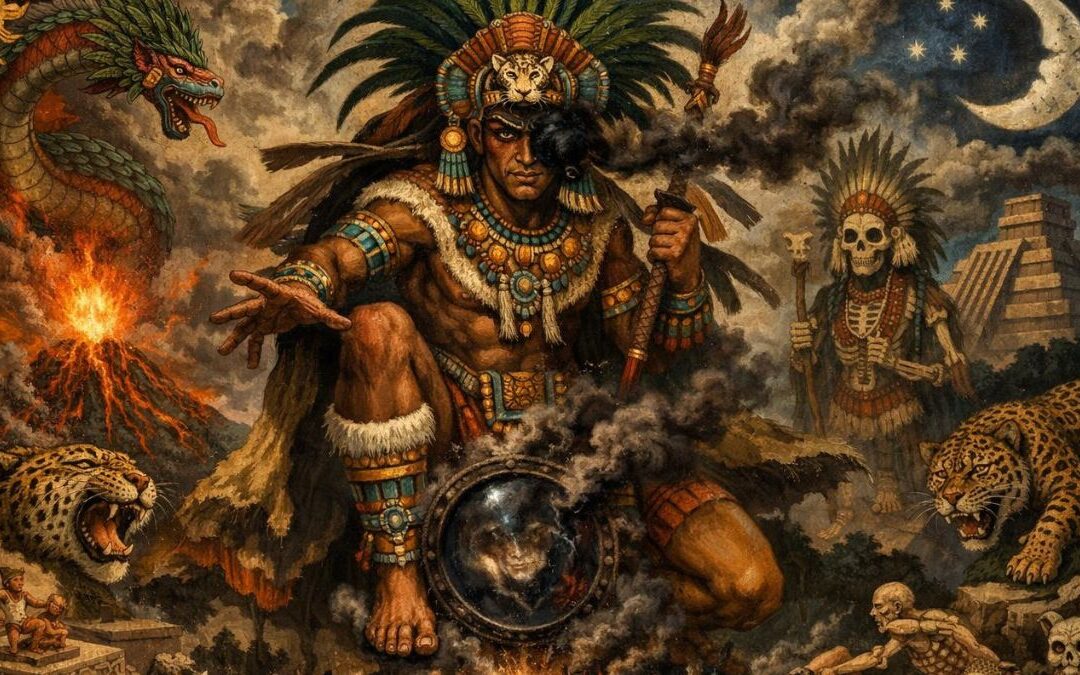
Discover the chaotic allure of Tezcatlipoca, the Aztec god of destiny and sorcery. We dive into the myths of the Smoking Mirror to uncover ancient wisdom about fate, duality, and the unpredictable nature of life.