A radically honest editorial exploring the systemic, everyday ways men disrespect, diminish, and burden women. It’s time for accountability. We should have known better.


A radically honest editorial exploring the systemic, everyday ways men disrespect, diminish, and burden women. It’s time for accountability. We should have known better.

We’ve engineered a world so convenient it’s quietly making us helpless. Danny explores the absurdity of smart fridges, dopamine loops, and a civilization that can’t survive a Tuesday afternoon power cut — with the dry wit and uncomfortable honesty the topic deserves.
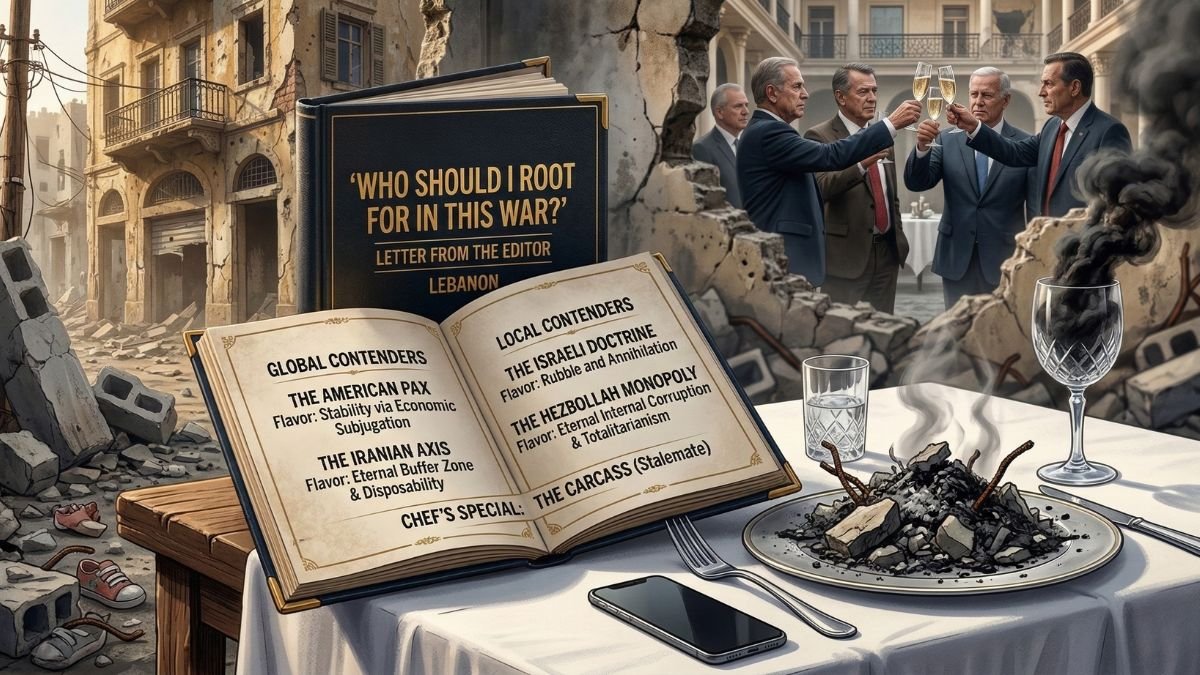
A deeply emotional and satirical editorial undressing the hypocrisy of the war in Lebanon. When global powers and local factions fight for their own gain, who should we really root for?

An emotional, stream-of-consciousness editorial exploring the human psyche behind the conflict in Lebanon. Walk in the shoes of all parties—soldiers, strategists, and civilians—to find the tragic irony, cognitive dissonance, and shared fear that drive the endless cycle of violence.

A philosophical inquiry into the nature of power. We explore the eternal conflict between Plato’s idealism and Machiavelli’s realism, asking if corruption is an inevitable flaw in the human soul or a necessary tool for survival.

A poetic journey into the heart of a corrupted city. We mourn the music that was never played, the art that was never painted, and the lonely soul of the King Midas who sits atop a throne of ash.
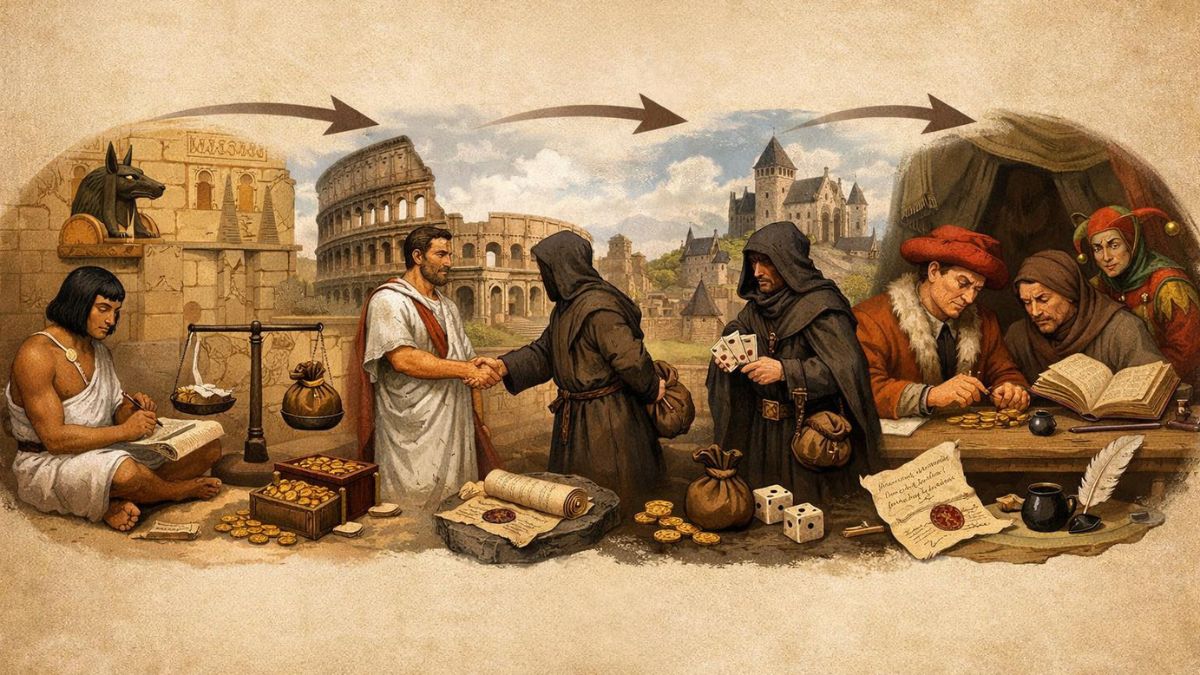
Why do we call it a “Ponzi” scheme? Is it “Gerrymandering” with a hard G? Join the Archivist for a hyper-focused history lesson on the specific words we use to describe fraud, from salamanders to international postal coupons.

Tired of democracy failing you? Try the premium option! A biting, satirical guide to navigating the congressional marketplace, buying influence, and ensuring your “speech” is heard louder than anyone else’s.

Are you suffering from “Ethical Fading”? Discover actionable strategies to navigate a compromised world and cutthroat office politics without losing your soul or your competitive edge.

After eight years of giving it all away, the internet has changed. To survive the noise of the AI era and build something truly lasting, English Plus must evolve from a public broadcast into an exclusive community.

A poetic dive into the Italian good-luck phrase in bocca al lupo — “into the mouth of the wolf” — the argument Italians are still having about the correct reply, and what predators actually do to a landscape.

A poetic dive into “dirge” — a word for the music of grief, which turns out to be the crumpled remains of a Latin word meaning guide me.

Medieval Europeans knew the Earth was round. Columbus knew. His critics knew, and they were right about the part that mattered. So where did the flat Earth story come from? A novelist, two Victorian polemicists, and our deep appetite for feeling smarter than the dead.

Washington Irving invented the flat Earth myth in 1828. Danny puts him on trial for the lie that made Columbus a hero and the Middle Ages a joke.

A poetic dive into the German idiom auf dem Zahnfleisch gehen — “to walk on the gums” — and what the suspended architecture of a single tooth reveals about the first thing exhaustion takes from you.

Learn the English of networking — question forms, the echo responses that keep a conversation alive, question tags, and the graceful exit nobody teaches. Plus why the people who help your career are rarely your closest friends.