Understand the meaning of “profundity” and how to use it effectively. Learn when to use this word to describe depth, wisdom, and insight.


Understand the meaning of “profundity” and how to use it effectively. Learn when to use this word to describe depth, wisdom, and insight.

Understand the concept of a fallacy – a flaw in reasoning. Learn to identify common types of fallacies and avoid them in your own arguments.

Explore the meaning of “opulent” and learn when to use this word to describe lavishness. Discover appropriate and less suitable contexts with examples.

Is something impervious to water, criticism, or change? Explore the meaning of “impervious,” how to use it correctly, and when to choose a different word.

Learn the meaning of the word “extol” and discover when to use it for powerful praise – and when it might be overkill. Get examples and alternatives!

What does “ascetic” mean? Learn about the philosophy of asceticism, its historical roots, modern applications, and how the word is used.

What does “aberration” mean? Learn the definition, when to use it correctly (and when not to), plus synonyms and real-life examples.

What does “quotidian” mean? Discover the nuances of this word and when to use it to describe the ordinary and the extraordinary.

Understand the meaning of “jingoism”, its historical roots, and the dangers of this extreme form of nationalism. Learn when it’s appropriate (and inappropriate) to use the term.
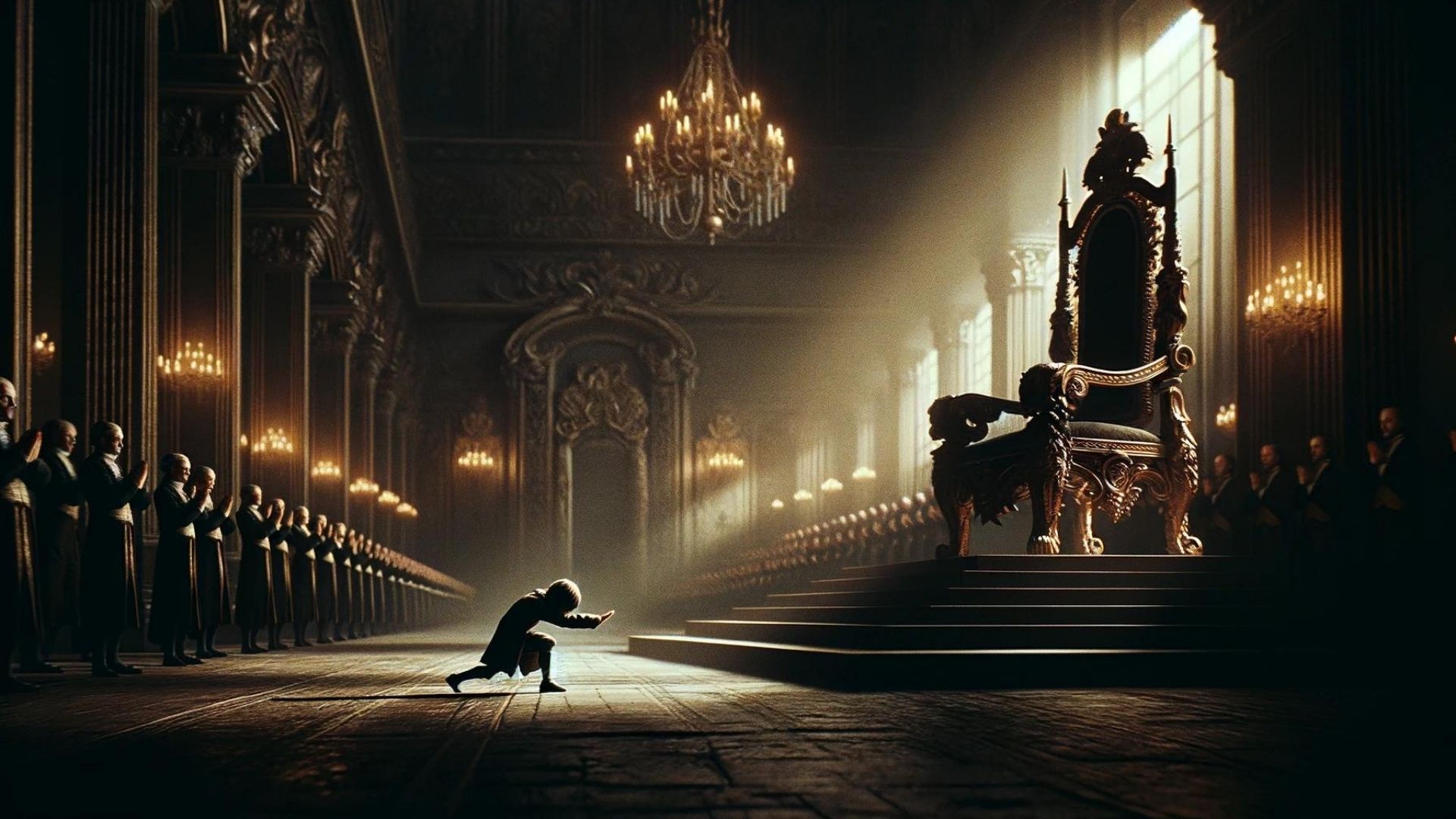
Learn the meaning of “obsequious,” why it’s often seen negatively, and how to spot this overly flattering behavior in everyday life.

A poetic dive into the French phrase l’esprit d’escalier — “staircase wit” — the brilliant reply that arrives only after you’ve left the room, and the surprising reason your mind waited.

For ten years, a widow has released letters into the sea. Tonight one is waiting for her. A short story, with commentary, craft notes, and learning extras.

Advanced English listening practice for IELTS, TOEFL, and SAT. Listen to an academic lecture on how habits form and answer 10 exam-style comprehension questions.

A poetic exploration of “clandestine” — a word built from concealment itself, and the difference between what’s private, what’s secret, and what’s hidden because it couldn’t survive being seen.

Novels were once considered dangerous. Cinema was a fairground trick. Now it’s games. What happens to a story when you can move inside it, and how to argue about it in precise English.

A poetic dive into the Arabic phrase kasr al-khatir — “the breaking of the khatir” — and why one language decided that wounding a person’s feelings is not an emotional event but a skeletal one.