Is your job just a paycheck or can it bring deep satisfaction? Explore the debate on work as a means to an end versus a potential source of personal fulfillment.


Is your job just a paycheck or can it bring deep satisfaction? Explore the debate on work as a means to an end versus a potential source of personal fulfillment.

Is happiness a choice, as Jim Rohn suggests? Explore his quote, discover when it applies (and when it doesn’t), and learn how to cultivate your own happiness mindset.

Explore the proverb “He who hesitates is lost.” Discover when decisive action is crucial and when careful consideration is wiser. Get real-world examples to guide your choices.
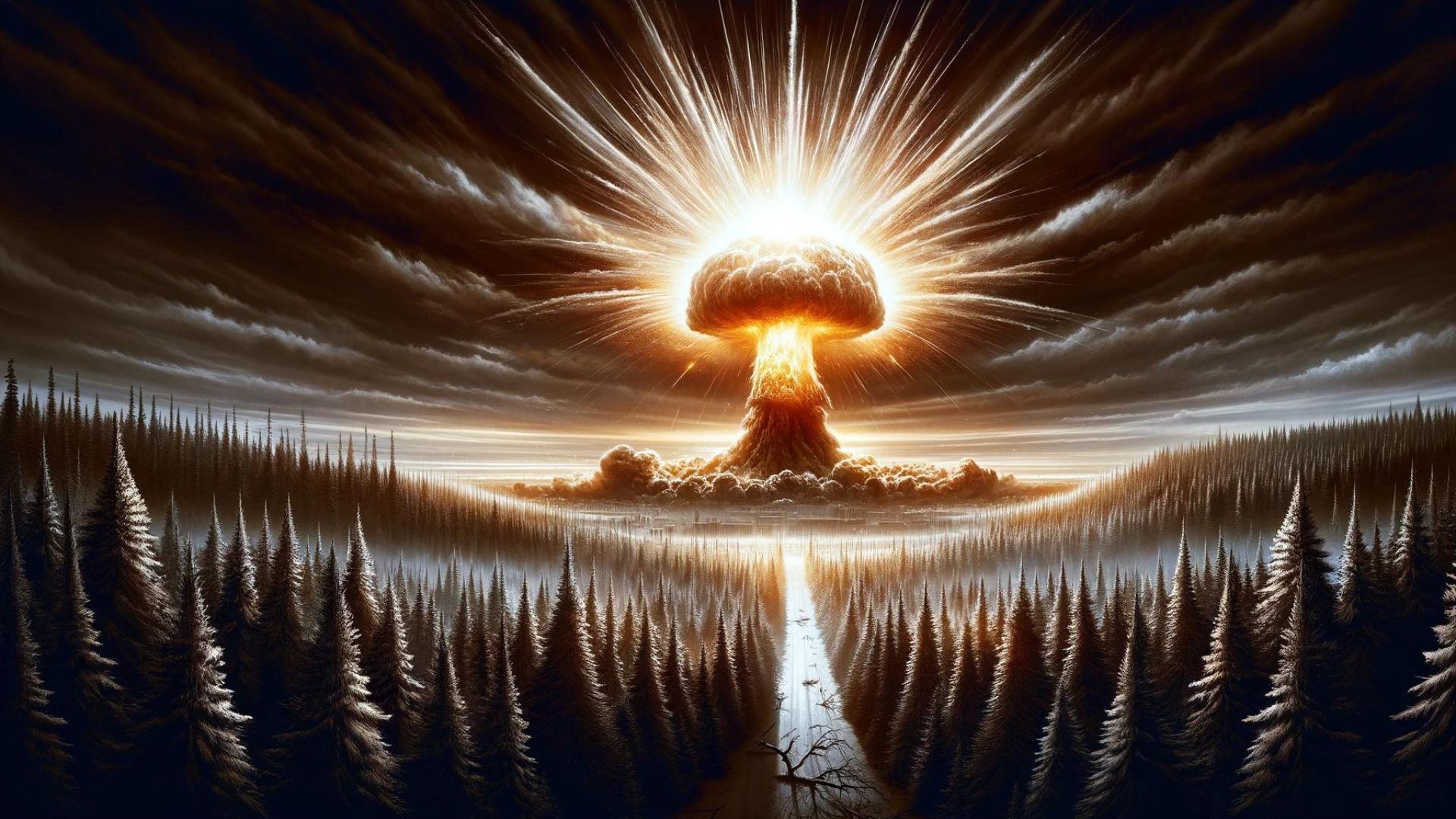
In 1908, a massive explosion devastated Siberia. Was it a meteorite, comet, or something more? Explore the enduring mystery of the Tunguska Event.

Understand the meaning of ethos, a key persuasive technique from ancient Greece. Learn how to use it effectively and spot when it’s misused in communication.

Learn about the bystander effect, the surprising psychological phenomenon that can make people less likely to help in an emergency when others are present.

Explore the meaning of “Great Minds Think Alike.” Discover when this proverb fits, when it doesn’t, and how it reflects on our thinking patterns.
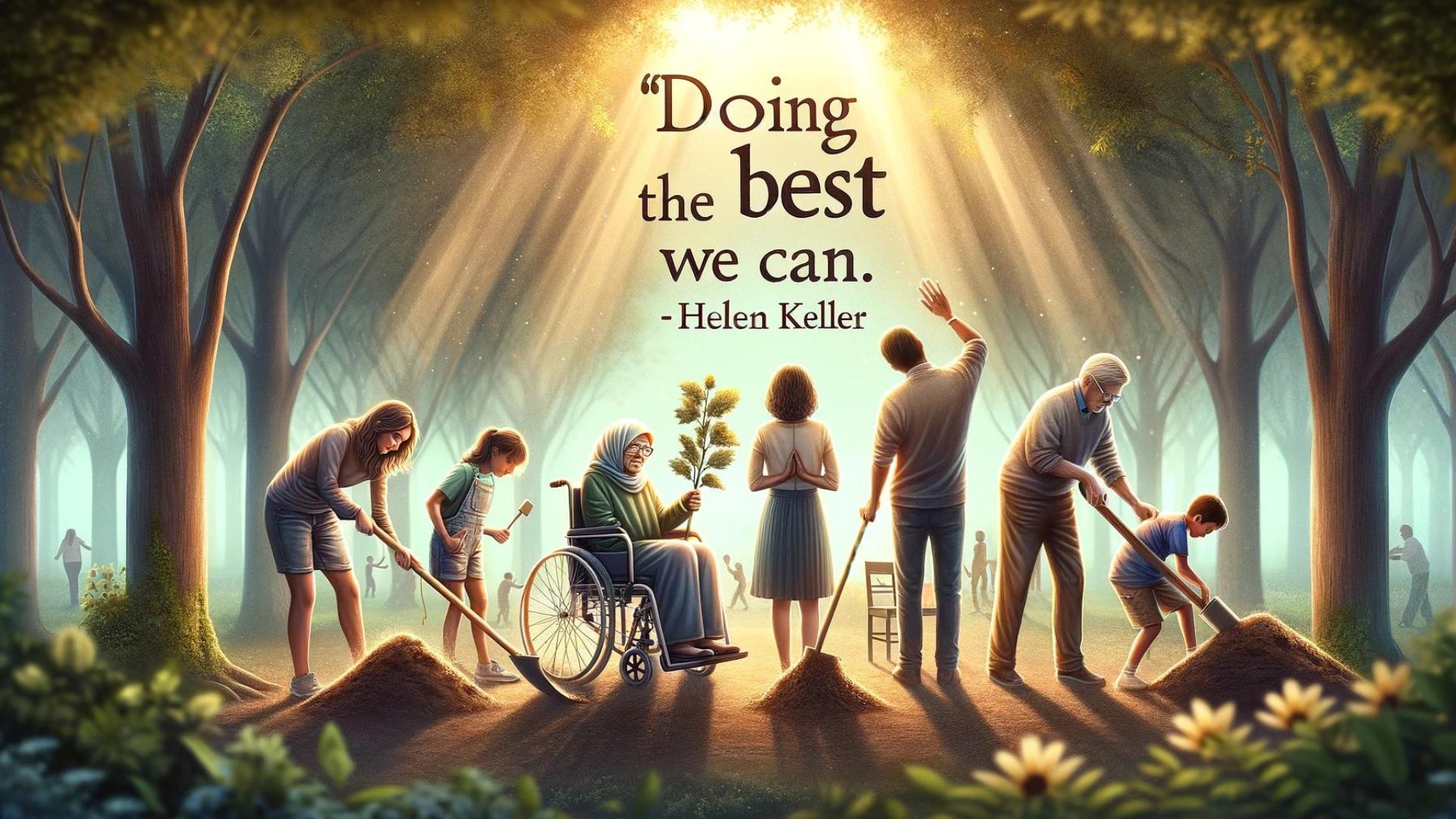
Discover the power of doing your best with Helen Keller’s quote, “When we do the best we can…” Learn when to use this inspiring message and how it can change lives.

Saturn’s rings are famous, but it’s not alone! Learn about the surprising planets that also boast these icy, dusty bands.

Dive into Michael Ende’s “The Neverending Story,” a timeless tale of imagination and the power of stories. Explore its themes, characters, and lasting legacy.

What is your most vivid childhood memory? The story of your first love? The moment you achieved a great success? What if I told you that memory might be wrong? This week, in our series finale, we tackle the most personal biases of all—the ones that live inside our own heads. We’ll discover how easily false memories can be planted, why we only remember the best and worst moments of a vacation, and how you might be accidentally stealing ideas. Prepare to question everything you think you know about your past.

The true goal of learning about cognitive biases isn’t to become a perfect robot. It’s to become a “Rational Empath.” This capstone article explores how understanding our own flawed thinking leads to greater compassion, forgiveness, and wisdom.

Cognitive biases rarely act alone. Discover how biases interact and compound each other in a “cognitive cascade.” Using the legendary “New Coke” failure as a case study, we deconstruct how a chain reaction of flawed thinking leads to disastrous outcomes.
Can you avoid common social pitfalls like Groupthink or the Bystander Effect? Take this scenario-based quiz to learn actionable strategies for smarter social interaction.

Ever dream of jumping over buildings or floating like an astronaut? Explore a world of reduced gravity, where everything from your morning coffee to the moon in the sky is transformed. A whimsical yet profound look at how a simple change could redefine life, the universe, and you.

Why do we instantly judge a stranger based on their clothes? Why do good people sometimes stand by and do nothing in a group? Human beings are social animals, but our social instincts can lead us down dangerous paths. This week, we enter the complex world of social psychology to explore the biases that govern our group behavior. We’ll tackle stereotypes, peer pressure, and why we often blame the victim. Get ready to rethink your social world.