Knowing what to say when someone is struggling is a true skill. Test your empathy with these real-world conversational scenarios and learn the most supportive and helpful ways to respond.


Knowing what to say when someone is struggling is a true skill. Test your empathy with these real-world conversational scenarios and learn the most supportive and helpful ways to respond.

Learn how to discuss brain health respectfully. This guide covers person-first language, key vocabulary, harmful idioms to avoid, and what to say when someone needs support.
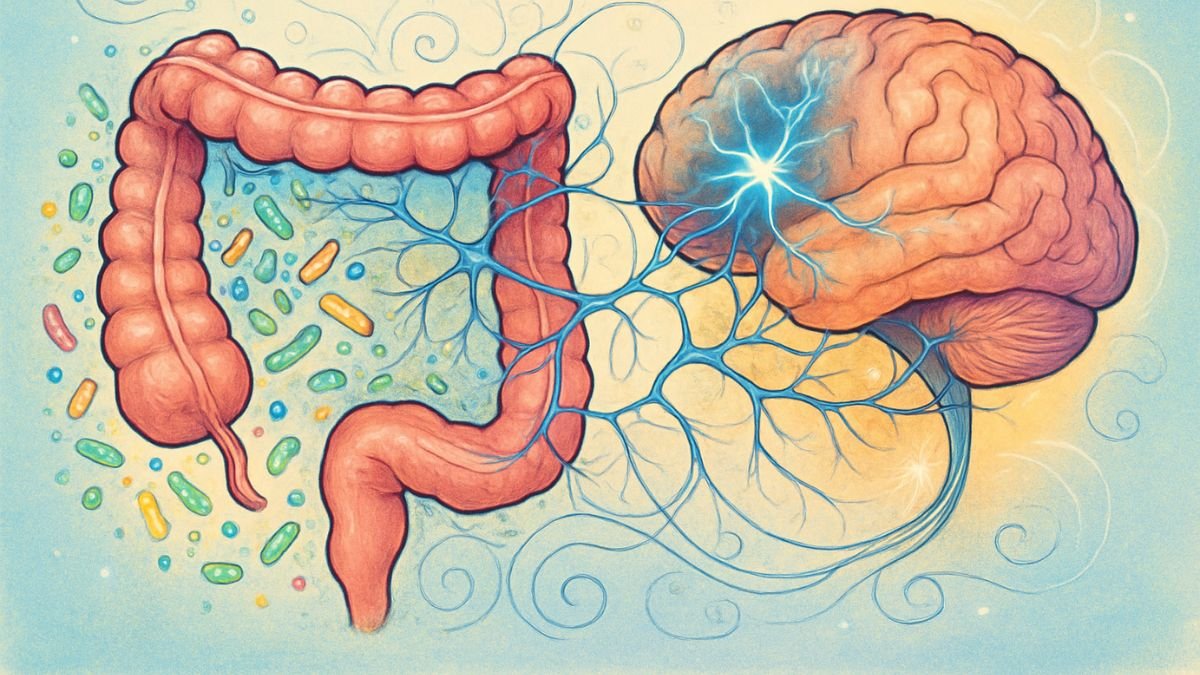
Explore the revolutionary science of the gut-brain axis. This article explains how your gut microbiome influences anxiety, mood, and brain health, and offers a simple guide on what to eat to foster a powerful, positive connection.

Take our science-backed quiz to see how your daily habits—from diet to sleep to exercise—are impacting your brain. Learn practical tips to boost your neurological well-being, starting today.

Words have power. This quiz challenges you to identify common English idioms and clichés that create stigma around brain health and to choose more respectful alternatives. Test your language, change your impact.
An accessible guide to major brain disorder categories. We explore the biology of mood disorders, anxiety, neurodevelopmental differences (ADHD/Autism), and more.

Travel through time to see how our understanding of the brain has evolved. From ancient spirits to modern fMRI scans, this quiz challenges your knowledge of the fascinating, and often turbulent, history of brain health.

Create a workplace where people thrive, not just survive. Our blueprint for managers and employees covers how to foster psychological safety, talk about mental health, spot burnout, and implement supportive policies like flex time and mental health days.

Words matter. Take our interactive quiz to practice using person-first language. Learn how this simple shift in how you speak can make a huge impact in breaking down stigma and showing respect.

This “Edustory” follows Sarah, a designer with depression and anxiety, as she navigates workplace stigma. A powerful look at invisible illness and courage.

Verbose is the kinder, more clinical cousin of prolix. In this episode, we explore the habit of over-explanation, why we do it, and what it costs us — and offer a small case for the radical act of stopping when you’ve said enough.

Are we obligated to sacrifice our present happiness for future generations? The Editor-in-Chief of English Plus explores the tension between just wanting a good life and the crushing weight of tomorrow.

We don’t always move in straight lines. Sometimes life takes us back — to a place, a feeling, a truth — and the return reveals something the departure couldn’t. ‘Coming full circle’ is one of the most quietly profound expressions in English, and this episode explores what happens when the journey bends back and finds its beginning.

Capitulate sounds like defeat. And sometimes it is. But in this episode, we look at the more interesting cases — when surrendering a position takes more strength than holding it, and when knowing when to capitulate is the most powerful move available.

It’s easy to be there for someone when things are good. The expression ‘through thick and thin’ is about something rarer and deeper — the kind of presence that doesn’t require favorable conditions. This episode is a quiet celebration of loyalty, constancy, and the relationships that actually hold.

Grandiloquent is one of English’s most perfectly self-aware words — a grandiose word for grandiose language. In this episode, we explore the gap between impressive-sounding speech and actual substance, and why the difference matters more than ever.