

The Beautiful Game Arrives: Pelé, Brazil, and the Art of Football
Between 1958 and 1970, Brazil won the World Cup three times and a seventeen-year-old from São Paulo became the most famous footballer in the world. Episode 3 is about genius — individual, collective, and architectural — and the era when football became an art form.
The Iron Years: Dictators, War, and the Game That Refused to Die
The World Cup’s second and third editions were held in the shadow of fascism, and its fourth was followed immediately by the most devastating upset in football history. Episode 2 covers the years 1934 to 1950 — a period in which football was forced to share the stage with some of the darkest forces of the twentieth century, and somehow survived.
The Dream Before the Whistle: How the World Cup Was Born
Before the billion-dollar broadcasts, before the superstar contracts, before the stadiums that could swallow entire cities — there was just a crazy idea: bring the whole world together to play football. Episode 1 explores the unlikely origins of the World Cup, the visionary and sometimes comically stubborn men who made it happen, and the remarkable first tournament in Uruguay in 1930 that nobody was quite sure would work.

Diversity & Inclusion: From Corporate Checkbox to Genuine Organizational Change
Diversity and inclusion have become the most repeated — and most misunderstood — terms in modern business. This article cuts through the buzzwords to explore what real D&I strategy looks like, why most programs fail, and what organizations that actually get it are doing differently.
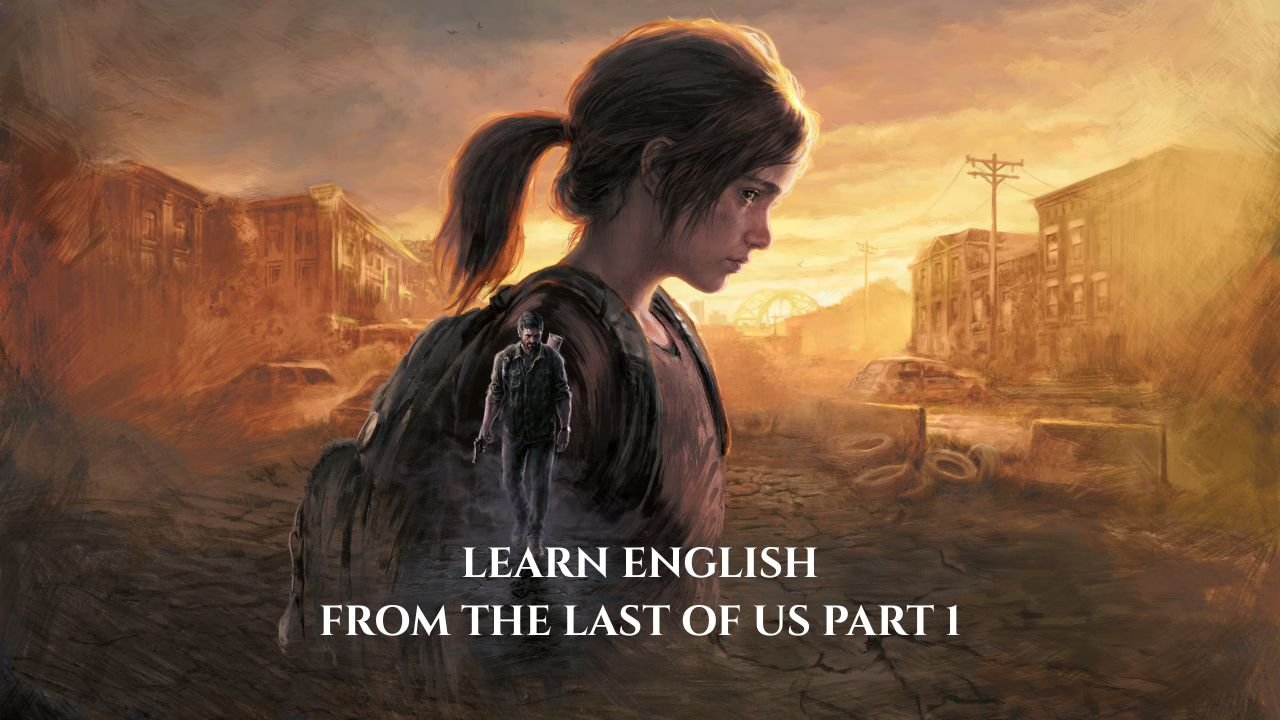
The Last of Us Part 1 | Final Exam and Capstone Projects
This is the final exam and the capstone projects for the series Learn from The Last of Us Part 1.
Hope at the End of the World: A Final Lesson
The final episode of The Last of Us English series brings everything together through the lens of hope — exploring advanced idioms, sophisticated expression, and the art of using language to hold both darkness and light at once.
Speaking Under Pressure: Dialogue That Matters
Episode 9 focuses on spoken English under pressure — debate, persuasion, difficult conversations, and the speaking strategies that help you communicate confidently when stakes are high.
Write Like the World Is Watching
Episode 8 turns The Last of Us’s cinematic storytelling into a writing masterclass — covering descriptive writing, narrative structure, point of view, and the techniques that make prose unforgettable.
Moral Vocabulary: How to Talk About What’s Right
Episode 7 builds an advanced ethical vocabulary by using The Last of Us’s brutal moral dilemmas as a springboard for C1-C2 English discussion, academic language, and the rhetorical tools for arguing about right and wrong.
Joel’s Silence: What We Don’t Say
Episode 6 explores the linguistics of silence and implication — how Joel communicates through what he withholds — as a gateway to English reading comprehension, inference skills, and the art of subtext.