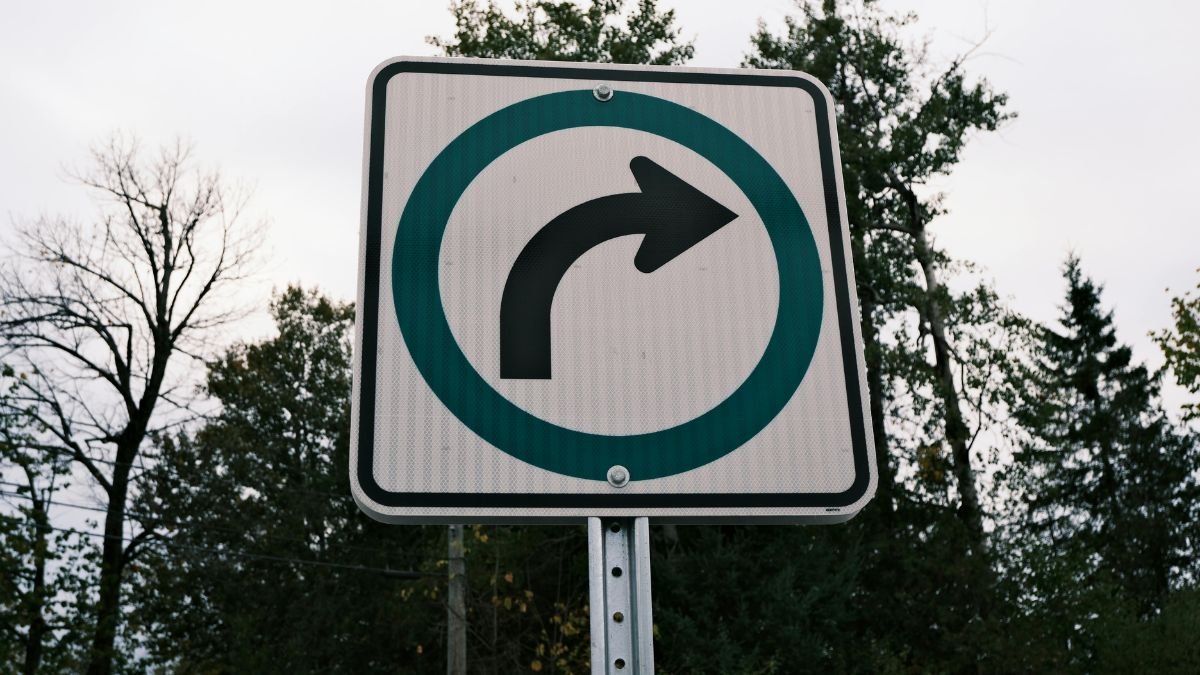
Did you know it, in the moment — the day everything in your life quietly changed direction?
Almost certainly not. And that's the strange, haunting thing about turning points: they rarely announce themselves. We use the phrase all the time — that was a turning point in my life — but notice that we only ever say it looking backward. In the moment, a turning point almost never feels like one. It feels like an ordinary day. A chance meeting. A small decision. A conversation you almost didn't have. It's only much later, looking back along the road you've traveled, that you can see it: right there, at that unremarkable-looking spot, your entire life quietly bent in a new direction. That was the hinge. And you had no idea at the time.
Sit with the image, because it's a good one. A turning point is exactly that — a point at which something turns. Picture your life as a path. For long stretches it runs more or less straight, in the direction it was already going. And then there's a point where it turns — where the whole trajectory changes, where everything after that point runs in a different direction from everything before it. The turning point itself might be tiny, a single spot on the path. But everything downstream of it is different because of it. That's its power. It's small, but everything after it is shaped by it.
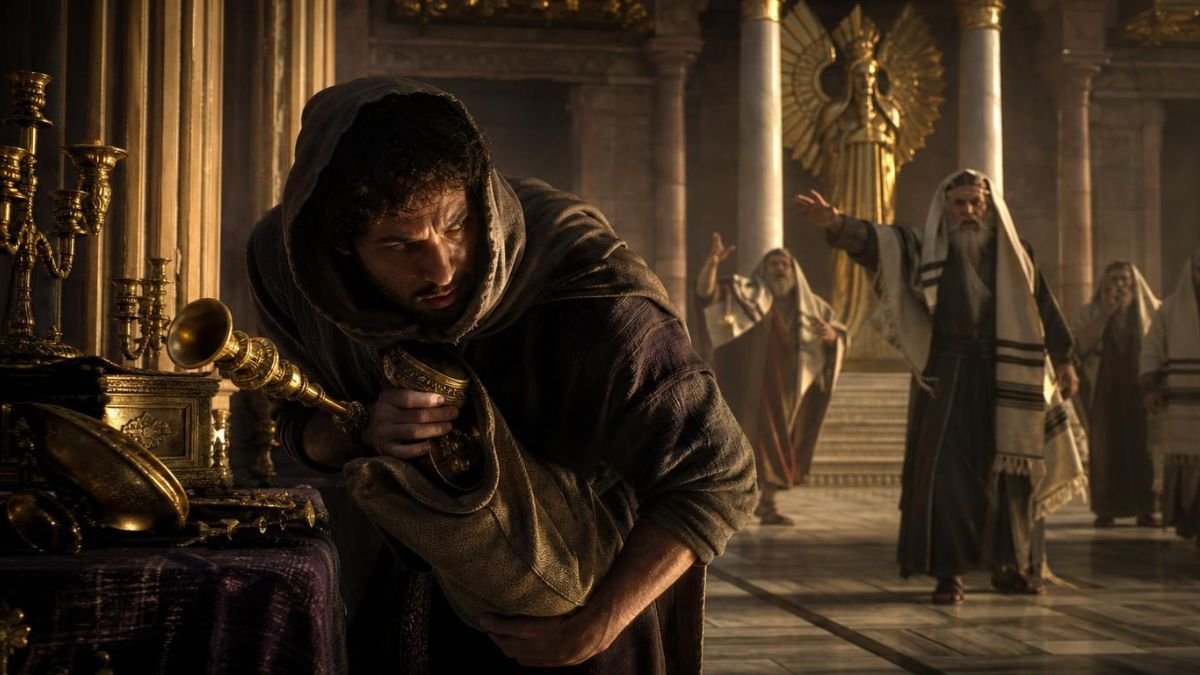
And here's what makes turning points so poignant: how ordinary they usually look from the inside. The day you happened to sit next to the person who would change your life. The job you almost didn't apply for. The book you picked up on a whim. The illness, the accident, the loss you didn't choose. The offhand decision to say yes, or no, that you made without knowing it was the most important decision of the decade. None of these came with a sign saying "attention: this is a turning point." They were disguised as regular Tuesdays. The hinge of your whole life was hidden inside a day that felt like any other.
Which means — and this should stop you for a second — you are almost certainly living through turning points right now that you cannot recognize as turning points. Something you're doing this week, some decision, some meeting, some small yes or no, may turn out, twenty years from now, to be the moment you point back to and say: that's when everything changed. But you can't know which one. That's not given to us. We don't get to see the hinges while we're standing on them. We only ever recognize them in the rearview mirror, once the road has already turned and we can finally see the bend.
There's something both humbling and freeing in that. Humbling, because it means you have far less certainty about which of your moments matter than you'd like. The thing you're treating as trivial might be enormous. The day you're barely paying attention to might be the one that determines everything. And freeing, because it means you can never fully know that an ordinary-seeming moment isn't secretly the most important one — which is a quiet argument for showing up, awake, to even your ordinary days. You never know which Tuesday is the hinge.
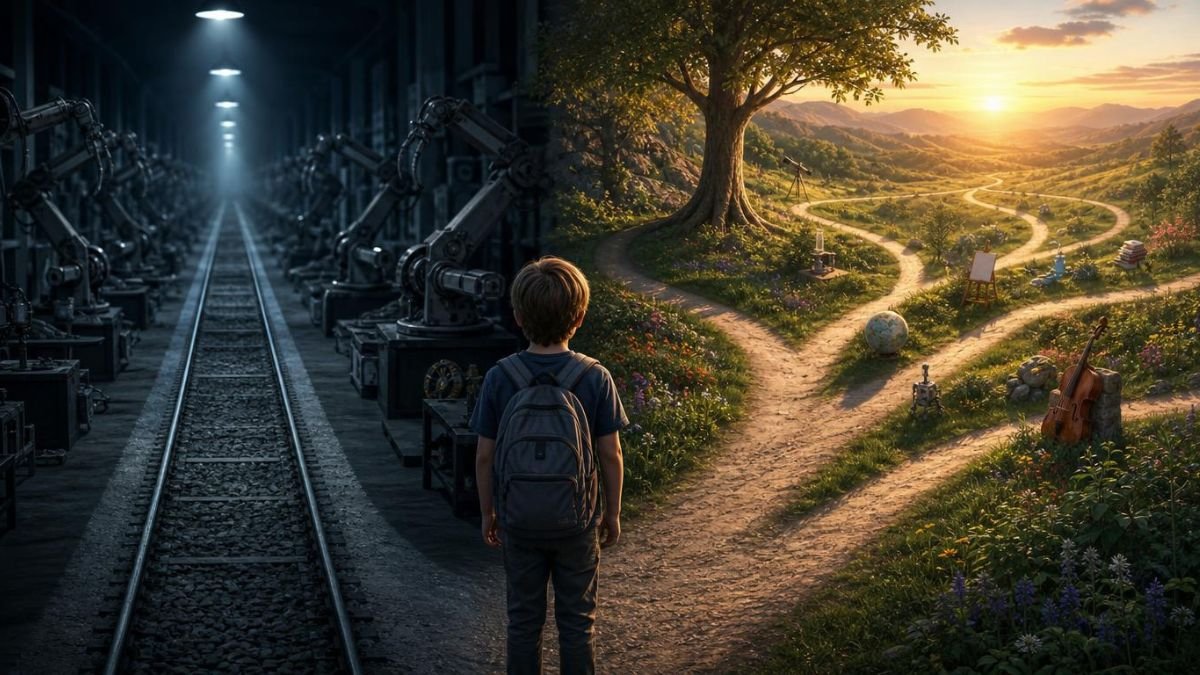
But I want to add something that complicates the phrase in a beautiful way, because turning points aren't only things that happen to you. Some of them, you make. There's the turning point you didn't choose — the accident, the diagnosis, the chance encounter. But there's also the turning point you decide. The day you finally said enough. The moment you chose to change, and meant it, and everything downstream bent because of that choice. Those turning points don't sneak up disguised as ordinary days — you feel those. You stand at the fork and you know, this time, that the direction of your life is in your hands. And you turn it, on purpose. Those are rarer, and harder, and they belong to you in a way the accidental ones never can.
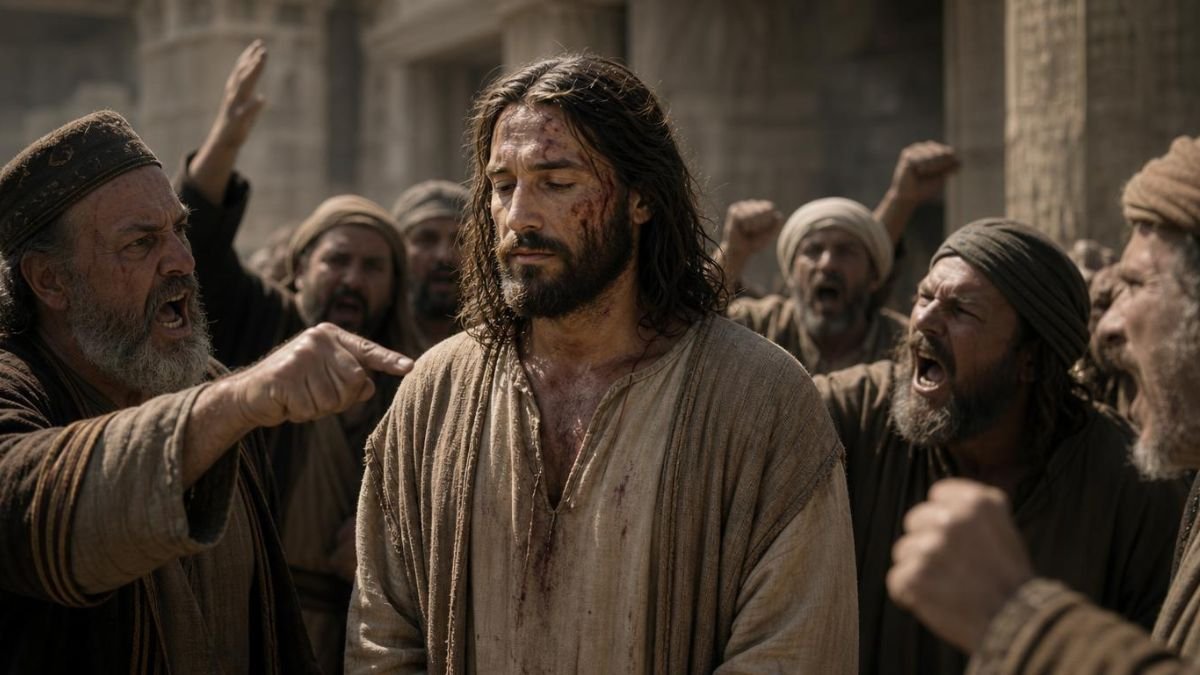
And here's a gentler thought for anyone standing at what feels like a low point right now. In stories, the turning point is the moment the trajectory changes — and very often, in a life as in a story, the turning point comes at the bottom. The moment things turn from worse to better is, by definition, a moment when things were bad. So if you're in a hard place, it's worth remembering that turning points are often invisible from inside the very darkness they're turning. The bottom of the valley doesn't feel like a hinge. It feels like the end. But sometimes the end of the descent and the beginning of the climb are the exact same point — and you only find out which it was much later, looking back.
There's a reason storytellers are obsessed with turning points, and it tells us something about our own lives. In every good story there's a moment the whole thing pivots on — the choice, the revelation, the encounter that sends everything spinning in a new direction. Take it out and the story falls apart. And I think part of why these moments move us so deeply in fiction is that we recognize them from life, even though in life we almost never get to see them clearly while they're happening. Stories give us the gift the real turning point denies us: the ability to see the hinge as a hinge, in the moment, lit up and unmistakable. Maybe that's part of what we go to stories for — to feel, just once, the shape of a life's turning while we're still inside it.
So maybe the wisdom of this phrase is a kind of reverence for the ordinary present. Since you can't know which moments are the turning points, you're left with only one reasonable response: to treat more of them as if they might be. To show up to the ordinary meeting, the small decision, the regular day, with a little more presence than it seems to deserve — because it might, without any warning, be the hinge your whole future turns on. You'll only know for sure much later. But by then, the turning will already have happened, with or without your attention.
Here's what I'll leave you turning over. If the most important moments of your life rarely announce themselves — if the hinges are hidden inside ordinary days — then how would you move through this ordinary week differently, if you truly believed one of these plain, unremarkable moments might be the turning point you'll spend the rest of your life pointing back to?



0 Comments