The Only Thing Necessary for the Triumph of Evil

by Danny Ballan | Jan 22, 2024 | Quotes

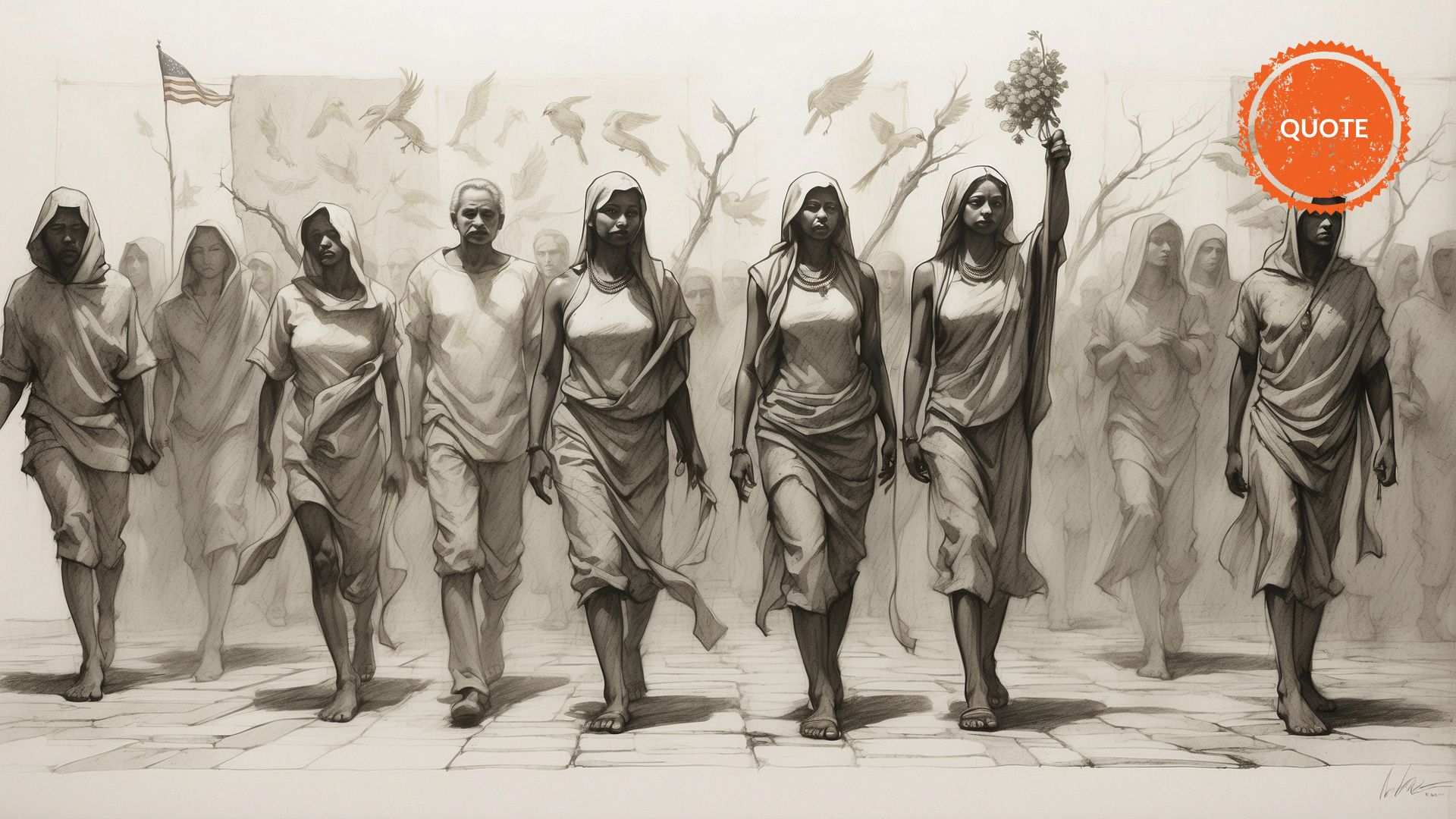
"The only thing necessary for the triumph of evil is for good men to do nothing."

Edmund Burke

Context

This quote is often attributed to Edmund Burke, an 18th-century Irish statesman, political theorist, and philosopher who served in the British House of Commons. However, it's important to note that this specific phrasing has not been found in his writings. The quote is more likely a paraphrase of Burke's sentiments, reflecting his advocacy for active participation in public life and his belief in the moral duty of individuals to oppose injustice and tyranny.

Burke, a proponent of conservative thought, believed in the necessity of social order and hierarchy but was also a critic of absolute power. His most notable works include his opposition to the French Revolution and his support for the American Revolution, highlighting his belief in balanced governance and the importance of moral action.

Analysis and Relevance to Everyday Life

The essence of this quote lies in the idea that inaction in the face of injustice or evil can lead to its proliferation. It serves as a call to action, emphasizing that passive compliance or indifference contributes to the perpetuation of wrongs in society. This concept is crucial in various aspects of everyday life:

  1. Social Justice: In movements for social change, this quote reminds individuals that staying silent or inactive in the face of discrimination, inequality, or injustice is complicit in maintaining these issues. Active participation, whether through advocacy, education, or direct action, is vital for progress.
  2. Personal Responsibility: On a personal level, the quote encourages people to intervene or speak out against wrongdoings in their daily interactions, such as bullying, unethical practices in the workplace, or unfair treatment of others.
  3. Democratic Participation: In the context of democracy, the quote underscores the importance of civic engagement. Voting, participating in public discourse, and holding elected officials accountable are ways individuals can prevent the erosion of democratic values.

Appropriate Usage with Examples

  • Example in Education: Teachers using this quote to inspire students to stand up against bullying in school.
  • Example in Environmental Activism: Activists quoting Burke to motivate public action against environmental degradation and climate change, where inaction leads to worsening conditions.
  • Example in Corporate Ethics: Employees citing this principle to advocate for ethical practices in their organizations, emphasizing that silence in the face of corporate misconduct can lead to broader societal harm.
Related Posts

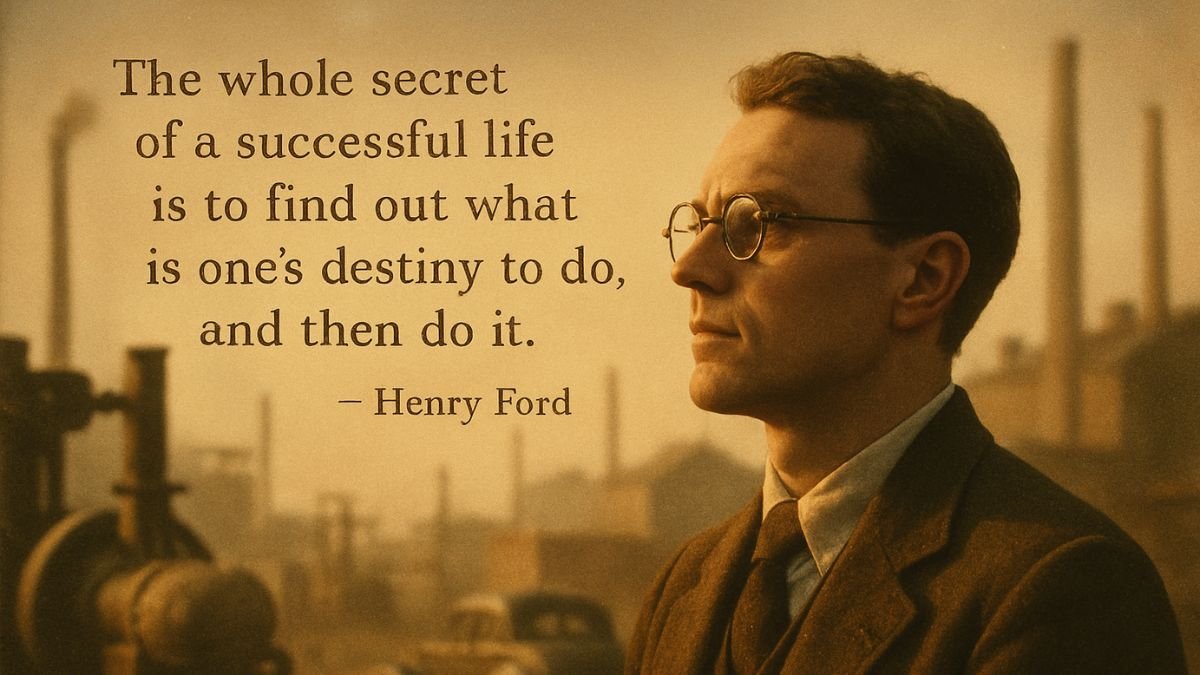
The whole secret of a successful life is to find out what is one’s destiny to do, and then do it

Henry Ford’s “Secret to Success”: Unlocking Your Destiny or Dangerously Outdated Advice?

A deep dive into Henry Ford’s famous quote: “The whole secret of a successful life is to find out what is one’s destiny to do, and then do it.” We deconstruct the meaning of purpose, destiny, and the hard work of “doing it” in the modern world. Is this the ultimate blueprint for a successful life? Read our in-depth analysis, vocabulary and grammar lessons, and more.

0 Comments

Submit a Comment

This site uses Akismet to reduce spam. Learn how your comment data is processed.

Recent Posts

A History of Sex as a Business

A History of Sex as a Business 09 | The Digital Turn: Platforms, Algorithms, and OnlyFans

This is part 9 of 10 in The Oldest Profession

The internet transformed commercial sex as radically as anything since the industrial revolution — enabling greater autonomy for some, creating new vectors for exploitation for others, and producing a legislative and ethical landscape that nobody has figured out how to navigate. This episode examines FOSTA-SESTA, OnlyFans, the trafficking-platform debate, and where we actually stand.

read more...
A History of Sex as a Business

A History of Sex as a Business 08 | The Business Model: How the Industry Actually Works

This is part 8 of 10 in The Oldest Profession

Beneath the historical narrative is an economic structure — one characterized by specific mechanisms of recruitment, control, and profit extraction that have remained remarkably consistent across centuries and continents. This episode examines the business of commercial sex as a business: how it actually operates, how exploitation is maintained, and where the money actually goes.

read more...
A History of Sex as a Business

A History of Sex as a Business 07 | The 20th Century: Wars, Migration, and the Criminalization Wave

This is part 7 of 10 in The Oldest Profession

The twentieth century saw two world wars that massively expanded military commercial sex economies, massive migration patterns that created new trafficking vulnerabilities, and a wave of criminalization campaigns that often made things worse for the people they claimed to help. This episode traces how the modern policy landscape was created.

read more...
A History of Sex as a Business

A History of Sex as a Business 06 | Victorian Shadows: The Underground Economy of the Empire

This is part 6 of 10 in The Oldest Profession

Victorian Britain preached sexual purity while building one of the most extensive commercial sex economies in European history. This episode examines the extraordinary contradiction between Victorian public morality and private practice, the Contagious Diseases Acts, the underground networks of London’s streets, and the investigative journalism that exposed child exploitation and changed the law.

read more...

Categories

Follow Us