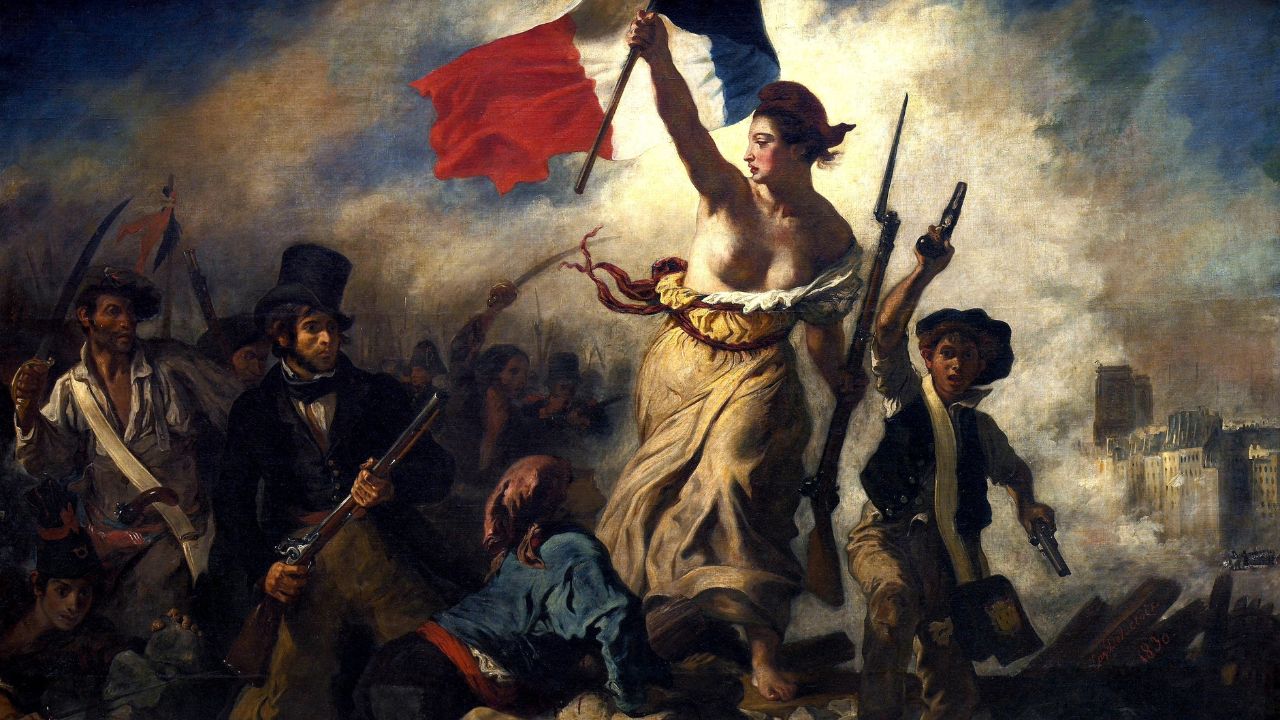
The French Revolution, a cataclysmic period that reverberated from 1789 to 1799, is an epochal pivot that irrevocably shaped the contours of modern society. It dismantled centuries-old institutions of monarchy and feudalism, replacing them with principles of liberty, equality, and fraternity—ideals that continue to underpin contemporary social, political, and cultural landscapes.
Foremost among the French Revolution's contributions is the concept of popular sovereignty. The Revolution decisively overturned the ancien régime, asserting that authority emanated from the people rather than a divinely-ordained monarch—a paradigm shift that catalyzed the spread of republicanism and democracy. The Declaration of the Rights of Man and of the Citizen, an emblematic product of the Revolution, crystallized this transformative doctrine, positing that citizens have the inherent right to determine their political destiny.
Furthermore, the Revolution engendered a profound reconfiguration of societal structures, challenging the entrenched inequities of the feudal system. It abolished serfdom, eliminated the nobility's privileges, and promoted civil equality. These reforms, albeit imperfect, laid the groundwork for modern egalitarian principles, heralding a societal shift towards meritocracy and social mobility.
Economically, the Revolution was instrumental in advancing the concepts of a free market and capitalism. The abolition of feudal dues and the deregulation of businesses spurred economic liberalization, encouraging entrepreneurship and competition. Simultaneously, the Revolution catalyzed the commodification of land, paving the way for agricultural modernization and the rise of a prosperous bourgeoisie class.
In the cultural sphere, the French Revolution fostered the spread of nationalism—a sentiment that emphasized shared cultural heritage, language, and history as the basis for societal cohesion. The Revolutionary government standardized the French language and implemented an array of symbols, ceremonies, and myths to cultivate a collective national identity. This galvanization of national sentiment was a template for other burgeoning nation-states, cementing nationalism as a dominant force in subsequent centuries.
Moreover, the Revolution precipitated a global cascade of revolutionary fervor. Its ideological reverberations inspired a wave of uprisings, notably the Haitian Revolution and the Latin American Wars of Independence, which sought to overthrow colonial or monarchical powers. In this sense, the French Revolution was a beacon of inspiration, igniting the quest for self-determination and liberty worldwide.
However, the legacy of the French Revolution also encompasses a more somber dimension—the unleashing of political violence in the name of revolutionary ideals. The Reign of Terror, a period of rampant executions under the Revolutionary government, stands as a grim reminder of how the pursuit of ideological purity can devolve into tyranny and bloodshed.
In conclusion, the French Revolution, with its tumultuous decade of upheaval and transformation, indelibly shaped the trajectory of modern society. Its echoes continue to resonate in our contemporary ethos of democratic governance, social equality, economic liberalism, and national identity. Simultaneously, it offers a cautionary tale about the perils of unchecked political zealotry. As such, the French Revolution serves not only as a cornerstone of modernity but also as a nuanced mirror reflecting the triumphs and tribulations of societal progress.
Crossword Puzzle in Context
All the words you need to fill in the crossword puzzle below can be found in the article above. Enjoy!









0 Comments