- Episode Preview
- From Everyday Life to an Unseen Terror
- The Birthplace of a Pandemic
- Three Faces of the Plague
- Labor, Feudalism, and Economic Upheaval
- Cultural and Religious Turmoil
- Intellectual Shifts and the Rise of Vernacular
- Demographic Recovery and Innovation
- Early Public Health Measures: The Birth of Quarantine
Episode Preview
To listen to the entire episode and to unlock full access to all our episodes, consider becoming a premium subscriber on Apple Podcasts or Patreon.
From Everyday Life to an Unseen Terror
Sometimes history feels like a dusty tome filled with distant names and dates—but there are moments that seize us by the collar, reminding us just how fragile and interconnected our world can be. Picture a quiet European village in 1347: farmers till fields, merchants haggle over wares, and daily life trudges forward amid medieval hardships. No one suspects that a microscopic foe will soon obliterate half the continent’s population, leaving society unrecognizable.
The Birthplace of a Pandemic
Our journey begins on the vast steppes of Central Asia, home to nomadic tribes, grazing herds—and fleas. These tiny creatures harbor Yersinia pestis in their guts, which they transmit when they bite rodents like black rats—rodents that thrive amid human settlements. As merchants traverse the Silk Road, these rats stow away in caravans, unwittingly carrying death across Asia, through China and India, and finally into the Middle East.
In 1347, the plague reached Europe via the Crimean port of Kaffa—legend has it that Mongol forces catapulted plague-ridden corpses over the city walls. Whether or not that siege was pivotal, it accelerated the bacterium’s arrival on Genoese trading ships bound for Messina, Pisa, Genoa, Venice, and Marseille. With each docking, rats—and their deadly passengers—disembarked, unleashing a horror unseen before.
Three Faces of the Plague
Victims of the Black Death experienced one of three horrifying manifestations:
- Bubonic Plague: Characterized by painful swellings (buboes) in the groin, armpits, or neck, transmitted by flea bites.
- Pneumonic Plague: Attacks the lungs, spreading person-to-person through respiratory droplets; nearly always fatal.
- Septicemic Plague: Invades the bloodstream, causing bleeding under the skin and the blackened discoloration that gave the plague its name; also almost invariably deadly.
Within months of its arrival, Italy was consumed. By 1348, France, Spain, and North Africa lay in ruin; England and Ireland fell by 1349; Scandinavia and Eastern Europe by 1350. In just a few years, an estimated 30–50% of Europe perished—some regions losing up to 75–80% of their inhabitants.
Labor, Feudalism, and Economic Upheaval
The sudden depopulation created a severe labor shortage: fields lay fallow, harvests rotted, and workshops stood empty. Under the old feudal system, serfs worked the land for lords in exchange for protection. With so many workers gone, survivors demanded—and received—higher wages, improved conditions, and even freedom from serfdom. This seismic shift weakened feudal bonds and set Europe on a path toward a more mobile, market-driven economy.
Cultural and Religious Turmoil
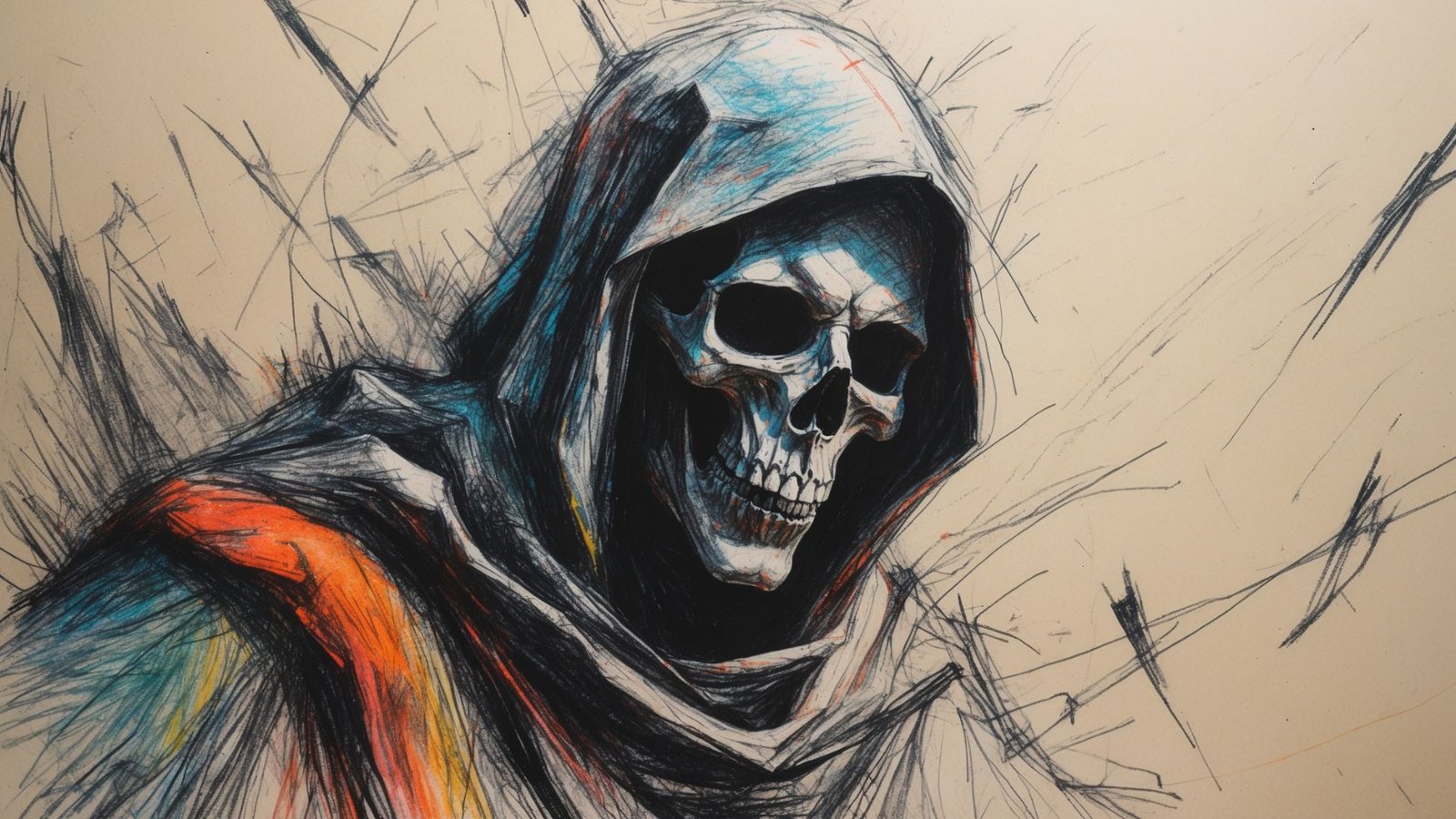
At the same time, faith and fear intertwined in extreme ways. Many saw the plague as divine punishment and turned to penance: flagellant movements scourged themselves in public, while persecutions—especially of Jewish communities—erupted amid baseless accusations of well-poisoning. Conversely, some adopted a carpe diem ethos, celebrating life in the face of constant death. Art reflected this morbid fascination: the “dance of death” motif—skeletons leading all social ranks to the grave—became ubiquitous, offering a window into collective anxieties.
Intellectual Shifts and the Rise of Vernacular
Universities and churches, pillars of medieval society, were not spared: countless scholars and clerics succumbed. Paradoxically, vacancies opened doors for fresh talent and viewpoints. Moreover, as Latin lost its monopoly, vernacular languages flourished—laying groundwork for national literatures and identities that would later underpin the Renaissance.
Demographic Recovery and Innovation
In the pandemic’s aftermath, survivors found themselves relatively wealthier: land was more plentiful, wages remained high, and per capita resources increased. Necessity spurred innovation—labor-saving agricultural and manufacturing techniques began to emerge as Europe rebuilt itself with fewer hands but sharper ingenuity.
Early Public Health Measures: The Birth of Quarantine
Finally, the Black Death forced medieval society to confront disease control. Lacking germ theory, observers nonetheless noted patterns of transmission. Cities like Venice pioneered quarantine: incoming ships and travelers were isolated for fixed periods to stem infection. Though primitive by modern standards, these measures marked a crucial step toward understanding—and eventually managing—epidemic disease.









0 Comments