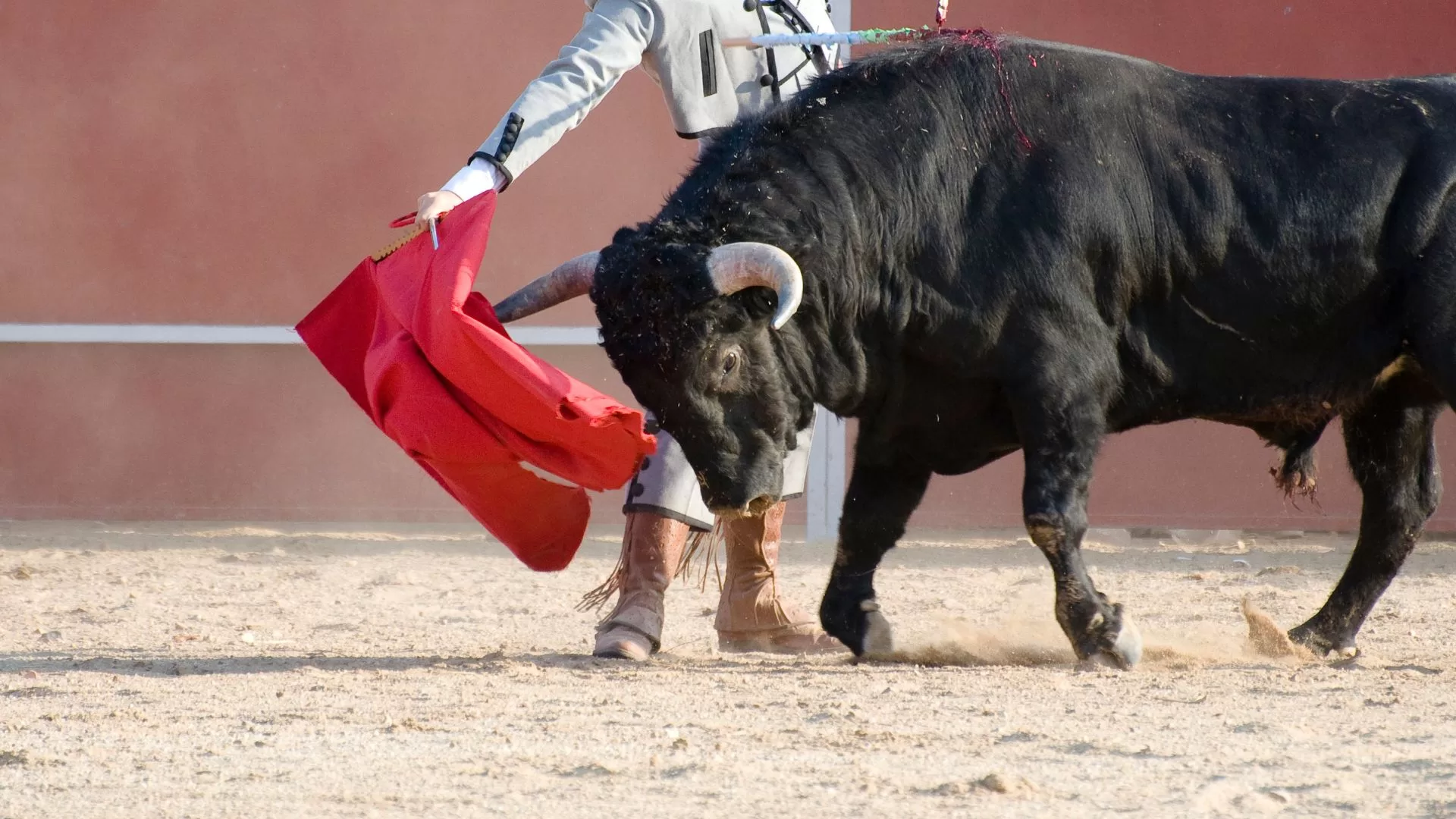
If you’ve ever watched a bullfight or even just caught a scene in a movie, there’s a good chance you’re familiar with the iconic image of a matador, clothed in an ornate costume, flaunting a bright red cape to provoke a bull into a frenzy. Now, hold on to that image, because we’re about to toss it aside and sprinkle a little truth on this well-aged myth that bulls hate the color red.
Here’s the real scoop: Bulls, like many other hoofed animals, are colorblind to red. That’s right, colorblind. If a bull were in an art class, it wouldn’t appreciate the nuanced differences between cherry red, ruby, and scarlet. To them, it's all the same. So that intensely red cape, known as a muleta, could be rainbow-colored for all the bull cares.
So where did this myth come from, and why has it stuck around like gum on a shoe? To answer that, we need to travel back in time to when bullfighting first became a thing. The matador's red cape has always been a staple in the dramatic spectacle of bullfighting. But it isn’t the color that gets the bull all worked up; it’s the movement of the cape.
That’s right, it’s all in the wrist, or rather, the flourish of the cape that gets the bull charging. Bulls, by nature, are attracted to movement. Wave a newspaper, a bed sheet, or even a giant pancake in front of a bull, and you’d likely get a similar reaction as with the red muleta. It’s not a hue-hate relationship but more of a dance between motion and animal instinct.
Now, the reason behind the red cape isn’t to agitate the bull but to mask the bloodstains. It's a bit morbid, but in the midst of the fight, as dramatic as it can be, the bright red color hides the bull's blood to keep the audience from seeing the gory details.
So, if you were planning on wearing green to a bull run thinking you’re safe, you might want to rethink that strategy. Bulls don’t discriminate when it comes to color. Move quickly, and congratulations, you’ve just volunteered as tribute and turned yourself into a target.
But let’s step away from the arena and focus on the bulls themselves. Contrary to the aggressive beasts often portrayed in cartoons and movies, bulls are quite peaceful creatures. They spend their days grazing, soaking up the sun, and just living the chill life. It’s only when they feel threatened or provoked that they turn into the charging machines we often associate them with.
It's important to understand that bullfighting is a performance, steeped in tradition and cultural significance in many parts of the world. The enraged bull, incited by a red cape, is more of a theatrical presentation rather than a factual depiction of bull behavior.
So the next time you’re watching a bullfight or a cartoon where the bull sees red (literally) and goes on a rampage, you can lean back, adjust your glasses, and say, “Well, actually, bulls are colorblind to red.” Watch as your friends gaze in awe at your intellect, your enemies cower at your wisdom, and the world realizes that you, dear reader, are a bearer of truth in a world swimming with myths.
In essence, our horned friends aren’t charging at the color; they're reacting to the movement. So, the matadors aren’t really painters showcasing different shades of red to an appreciative bovine audience. They’re more like conductors, guiding the bulls’ movements in a dangerous yet highly choreographed dance that’s as old as time.
There you have it – the truth unveiled, the myth busted, and another piece of misinformation bites the dust. Bulls don’t hate the color red, and they’re not the enraged beasts of popular lore. They’re creatures of instinct, responding to movement with the grace (and force) of nature’s powerful beings. The red cape? Well, it’s not a matador’s magic wand but more of a cover-up for the not-so-pleasant aspects of the bullfighting world. The more you know, the less you fall for these colorful myths. Happy myth-busting!








0 Comments