SparkCast Episode
The SparkCast episode is not just a reading of the article below; it's a lively discussion based on the topic of the article, so you don't want to miss it!
[ppp_patron_only level=5]
[/ppp_patron_only]
Do You Really See What I See?
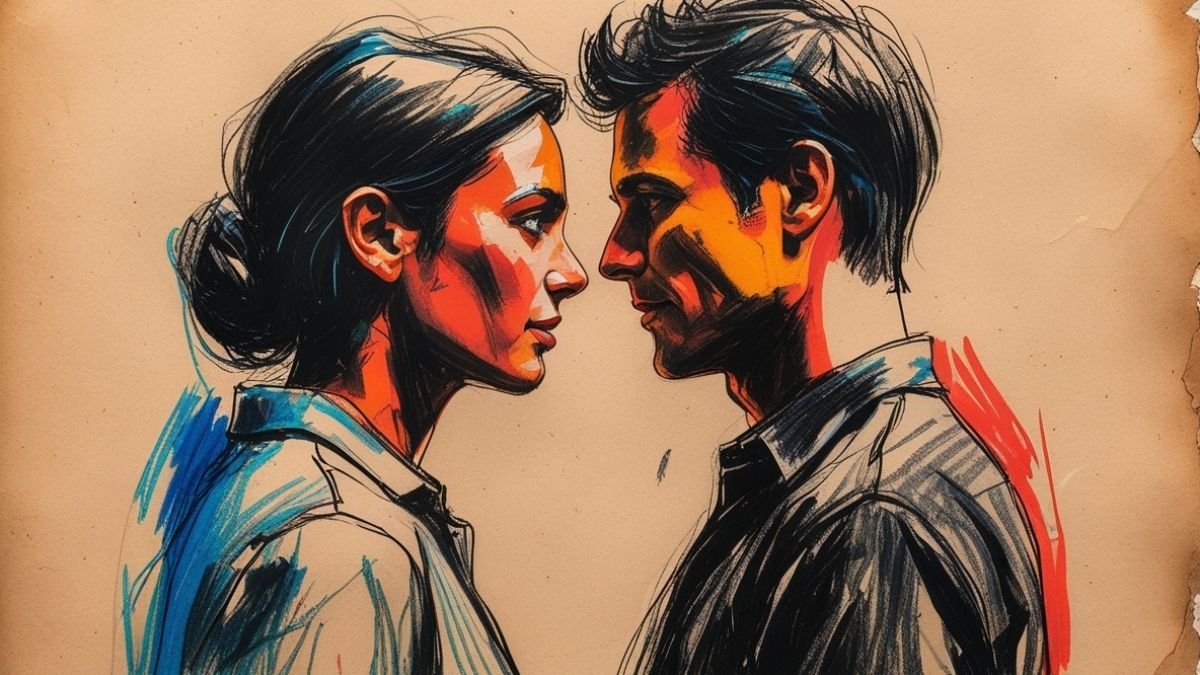
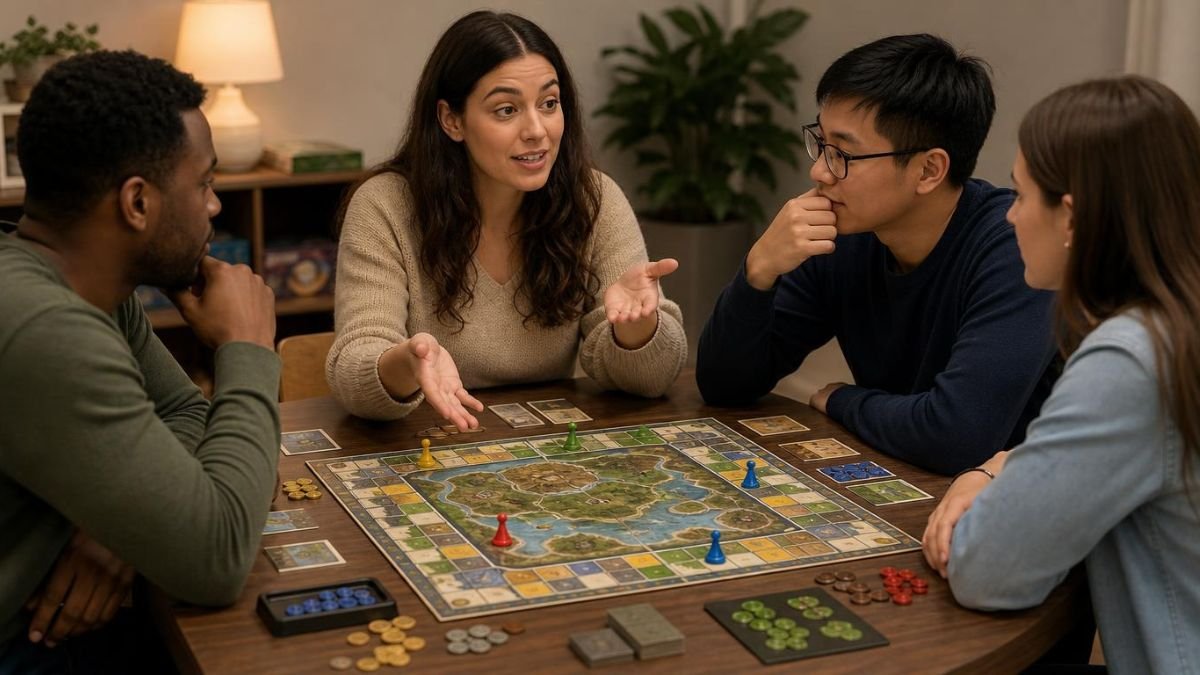
Have you ever had a conversation where you’re using the same words as the other person, but you might as well be speaking different languages? You lay out your point perfectly, every detail in its right place, and they just… don't get it. It’s in those moments we realize the immense challenge and profound beauty of what it means to truly see eye to eye. It’s an expression we toss around casually, but when you stop and think about it, it describes one of the most magical and sometimes elusive human experiences: true, unadulterated understanding.
A Glimpse into the Meaning
On the surface, "to see eye to eye" simply means to agree on something. You and your best friend see eye to eye on pineapple belonging on pizza (the correct opinion, obviously). Your team at work sees eye to eye on the new project's direction. It's about consensus, a shared viewpoint. Simple, right? But let's get a little more poetic. Imagine you're both standing on a hill, looking at the same sunset. To see eye to eye means you're not just both looking at the sky; you’re both feeling that same sense of awe, that same pang of beautiful finality as the sun dips below the horizon. It’s about sharing a perspective, literally seeing the world from the same vantage point, even if just for a moment.
Beyond Agreement: The Power of Perspective
This is where the real power of the phrase kicks in. Seeing eye to eye is not just about shared opinions; it’s about shared understanding. You can disagree with someone on a fundamental level but still, in a strange way, see eye to eye with them. How? By understanding why they see the world the way they do. It’s about respecting their perspective, acknowledging the validity of their feelings and experiences, even if they lead to a different conclusion than yours. It’s looking them in the eye and saying, "Okay, I get it. I see where you’re coming from. I understand the path you took to get to this belief." That is a connection far deeper than simple agreement.
Why Is It So Hard to Achieve?
Let's be honest, truly seeing eye to eye can feel rare. We’re all walking around with our own unique set of experiences, beliefs, and emotional baggage. It’s like we each have a custom-made pair of glasses that color everything we see. My "blue" might be your "periwinkle." My "common sense" might be your "crazy talk." The friction of modern life, the political divides, the sheer noise of it all, encourages us to stand our ground, to defend our own view rather than trying on someone else's glasses for a second. It takes vulnerability. It takes a willingness to be wrong. It takes quieting your own inner monologue long enough to truly hear another's. And that’s hard work.
The Beauty of Trying
But here’s the optimistic spin: the effort is what counts. Every time you actively try to understand where someone is coming from, you build a bridge. You might not end up standing on the same side, but you’re no longer shouting across a canyon. You’re meeting in the middle. The beauty of language is that it gives us a tool, like this phrase, to describe that goal. It reminds us that connection is possible. It’s an invitation to go beyond the surface level of "I'm right, you're wrong" and to explore the rich, nuanced, and deeply human world of perspective. Igniting your love for words and expressions like this one helps you navigate life with a little more grace and a lot more understanding.
So, I’ll ask you this: When was the last time you truly felt you saw eye to eye with someone, and what did that feel like? Share your stories in the comments below!
Deep Discussion Questions:
- Think about a person you often disagree with. What is one step you could take to better understand their perspective, even if you never agree with them?
- Is it more important for a team (at work, in a family, etc.) to always agree or to be good at understanding each other's differing viewpoints? Why?
- How has the internet and social media made it easier or harder for us to see eye to eye with one another?
Speaking Challenge:
Tell a short, one-minute story about a time you and a friend or family member did not see eye to eye on something. Describe the situation and what the disagreement was about. Then, explain how you handled it.
Hint for English Learners: Use transition words! Start with, "Let me tell you about a time..." Use words like "however," "on the other hand," and "in the end" to structure your story clearly. Practice recording yourself to check your timing and flow.



0 Comments