To view this content, you must be a member of Danny's Patreon at $5 or more
 Unlock with Patreon
Already a qualifying Patreon member? Refresh to access this content.


Five thousand years of history bring us to the hardest questions: what policies actually protect people, what evidence says about different approaches, and what it would mean to organize our response to commercial sex around the genuine interests of the most vulnerable people involved.
The internet transformed commercial sex as radically as anything since the industrial revolution — enabling greater autonomy for some, creating new vectors for exploitation for others, and producing a legislative and ethical landscape that nobody has figured out how to navigate. This episode examines FOSTA-SESTA, OnlyFans, the trafficking-platform debate, and where we actually stand.
Beneath the historical narrative is an economic structure — one characterized by specific mechanisms of recruitment, control, and profit extraction that have remained remarkably consistent across centuries and continents. This episode examines the business of commercial sex as a business: how it actually operates, how exploitation is maintained, and where the money actually goes.
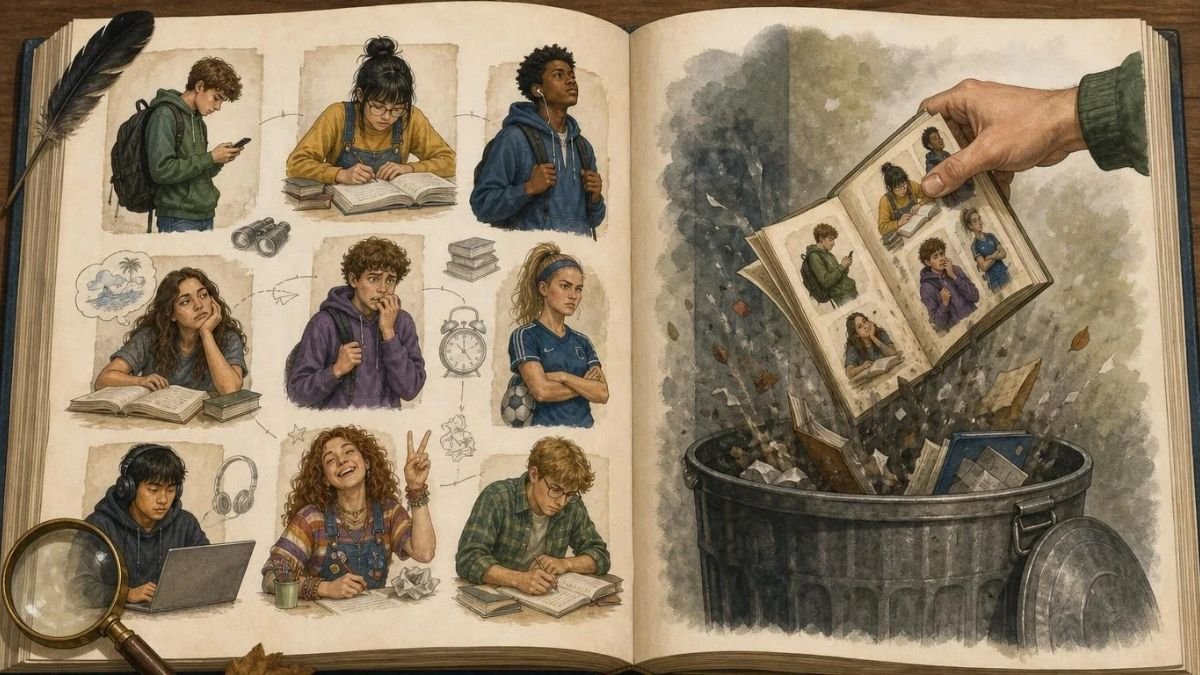
From the Stationery Enthusiast to the Negotiator, a funny field guide to back-to-school students, and how teachers and parents can keep motivation alive all year.

A poetic dive into the Spanish expression dar a luz, to give to light, and the surprising truth about what a child actually sees on the way out of the dark.

A poetic exploration of “a hard pill to swallow” — a phrase where the difficult thing is also the medicine, and everything depends on a few inches of throat.

Everyone tells you to find your authentic voice, as if it were buried somewhere waiting. It isn’t. Voice is assembled from imitation, refusal, and repetition, and the people who have the strongest ones are usually the people who copied the most. Here’s how it actually works.

A poetic dive into the Russian expression опустить руки, to lower the arms, and what neuroscience discovered when it went back and checked its most famous experiment.

Our schools reward narrow expertise and treat broad curiosity as a lack of focus. But the evidence suggests the opposite: children who sample widely, connect ideas across fields, and resist premature specialization are the ones best equipped for a world that keeps rewriting the job description. Here is the case for range, the honest counterargument, and what to actually do about it.
0 Comments