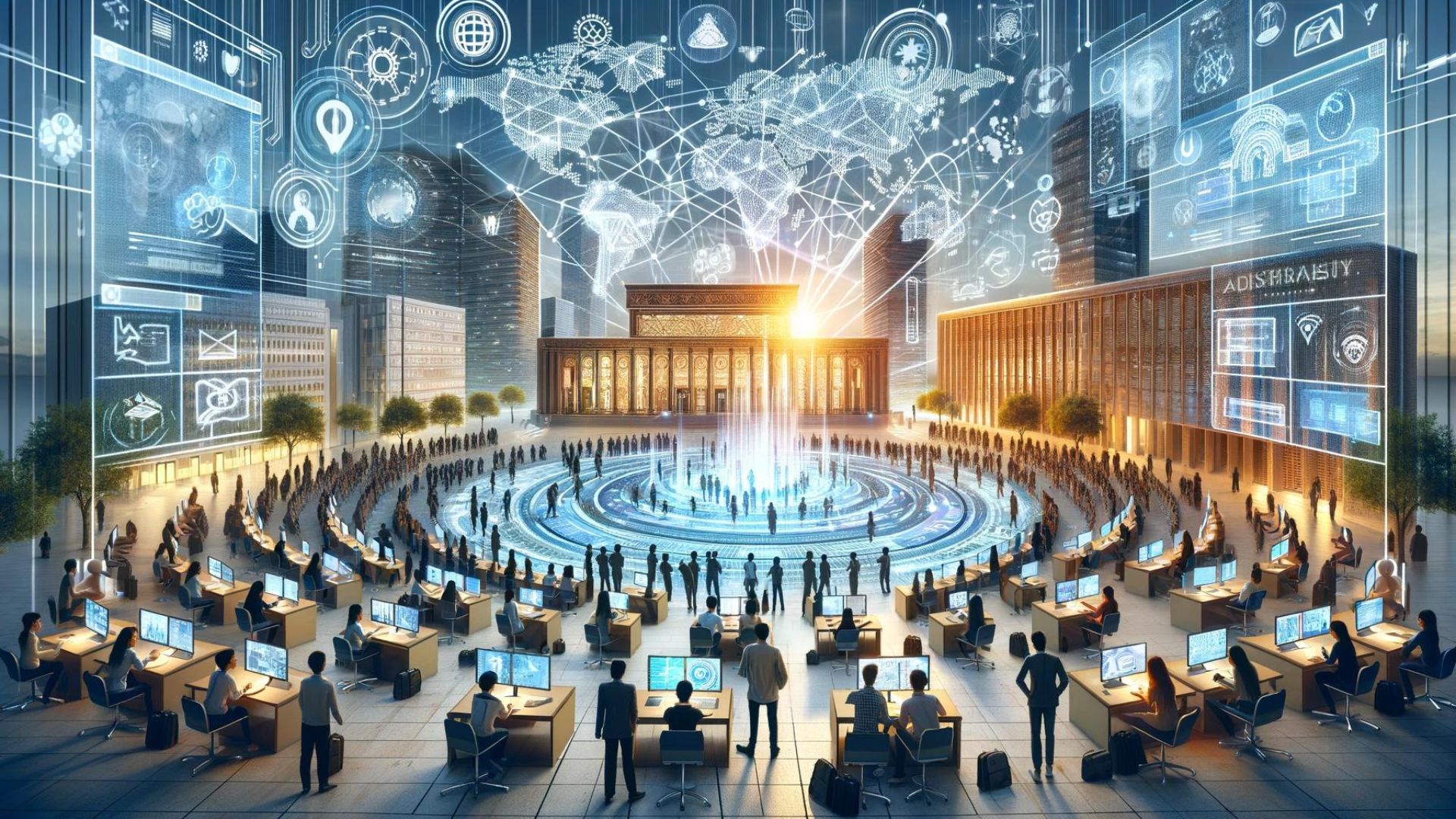
Higher Education: The Impact of Globalization on Higher Education
Imagine a college campus bustling with students from every corner of the globe, professors collaborating with peers thousands of miles away, and degrees designed to prepare you for a borderless job market. This isn't the future; it's the modern university caught in the currents of globalization.
Globalization—the increasing interconnectedness of the world through trade, technology, and the flow of people and ideas—isn't just transforming businesses; it's revolutionizing education. Let's break it down:
- Students on the Move: College campuses are becoming melting pots. Students travel abroad for more affordable programs, unique specializations, or simply the adventure of studying in a new culture.
- Brain Power Without Borders: Universities compete to attract star researchers across nationalities. Online collaboration tools make it easier for teams in different countries to co-author studies and push the boundaries of knowledge.
- Whose Curriculum Is It Anyway? Universities adapt their programs to a globalized world. Think business courses focused on emerging markets or medical classes designed to tackle health challenges in developing nations.
- The Money Question: Universities, especially those strapped for funding, look abroad for revenue – foreign student tuition, partnerships with overseas institutions, or offering online courses worldwide.
The Good, the Bad, and the Complex
Like most big changes, globalization brings both promise and challenges for higher education:
- The Upside
- Diverse Perspectives: Global classrooms create rich learning environments where viewpoints collide and innovation happens.
- Preparing Global Citizens: Today's grads need cross-cultural skills and a nuanced world understanding to thrive professionally.
- The Challenges
- Brain Drain: Talented students and researchers leaving their home countries for better opportunities abroad can harm developing nations.
- Equity Gaps: Can everyone access global education, or does it benefit the already privileged? Do online programs bridge gaps, or make them worse?
- Culture Clash: Balancing the need to prepare globally competitive graduates with preserving local culture and educational traditions.
What Does This Mean for You?
Whether you're a student, parent, or just someone who cares about the future, globalization's impact on higher education matters:
- If you're selecting a college: Consider programs with international exposure: study abroad, faculty exchange, or courses designed with a global perspective.
- Already on the job? Don't stop learning! Online courses or programs with international partnerships could boost your cross-cultural skills.
- A citizen of the world: Support universities that foster ethical global partnerships, address educational inequities, and produce graduates equipped to tackle the world's big problems.
Action Time!
Globalization in education is here to stay. Let's make it a force for good:
- Seek out diversity: Engage with people from different backgrounds on campus or through online communities. You'll be amazed at what you learn.
- Research with a critical eye: When hearing about a university's global initiatives, ask: who benefits? Is it truly collaborative, or just one-sided?
Understanding how globalization reshapes universities equips us to advocate for a kind of education that makes the world a more connected, knowledgeable, and ultimately, a better place for everyone.
Why Should You Care?
- Universities shape the future: How colleges adapt to globalization influences the kind of leaders, innovators, and problem-solvers they produce.
- It's a job market issue: Understanding globalized education trends helps you (or students in your life) prepare for a workforce that has no borders.
- Globalization isn't always fair: Being aware of the potential downsides fosters critical thinking and drives a push for education that benefits everyone, not just a select few.
Key Takeaways
- A globalized campus: Higher education is increasingly characterized by international student bodies and faculty collaborations across borders.
- Curriculum shifts: Programs are adapting to reflect a globally interconnected world, emphasizing cross-cultural understanding and international issues.
- Opportunity AND inequality: Globalization creates opportunities for students and universities but also raises concerns about equity and potential 'brain drain' from developing countries.
- You have a stake: Globalization's impact on higher education matters whether you're a student, an employer, or simply someone who values quality education.
Keywords
- Globalization: The increasing interconnectedness and interdependence of countries worldwide, driven by trade, technology, and movement of people.
- Higher Education: Education beyond high school, including colleges, universities, and vocational programs.
- Student mobility: The trend of students choosing to pursue their education outside of their home country.
- Brain drain: The loss of a country's brightest students and skilled professionals to opportunities abroad.
- Cross-cultural skills: Abilities to communicate, understand, and work effectively with people from diverse backgrounds.
- Global citizen: Someone aware of the wider world, respects and values diversity, and takes action on issues of global significance.
- Equity: Fairness in access and opportunity, in the context of globalization, addressing concerns that its benefits may not reach everyone equally.
- Online programs: Courses or entire degree programs offered primarily through the internet and digital learning platforms.
- Global partnerships: Collaborations between universities or institutions across national borders for research, student exchange, or resource sharing.
- Ethical globalization: The concept of promoting globalization in a way that benefits all countries fairly, respects local cultures, and avoids exploitation.
Frequently Asked Questions
- Will online education eliminate the need for physical campuses? Unlikely. While online learning expands choices, the in-person university experience remains valuable for social development and some fields of study.
- Can globalization reduce educational costs? Potentially, but only if online programs truly make quality education more accessible, and if universities collaborate rather than compete purely on price.
- Do international students 'take spots' from local students? Complex. Universities accepting international students may expand capacity. However, public universities receiving less government funding may prioritize higher-paying foreign students.
Myth Buster
- Myth: Globalization only benefits wealthy countries. Reality: Developing nations can gain from sending students abroad to gain skills and universities partnering for better resources. However, preventing brain drain is crucial.
Let's Talk
- Do you believe globalization has been mostly positive or negative for higher education? Why?
- What can be done to ensure that less wealthy countries benefit from educational globalization?
- How can universities strike the right balance between adopting a global focus and serving the needs of their local communities?
Let's keep the conversation flowing! Share your opinions in the comments below.








0 Comments