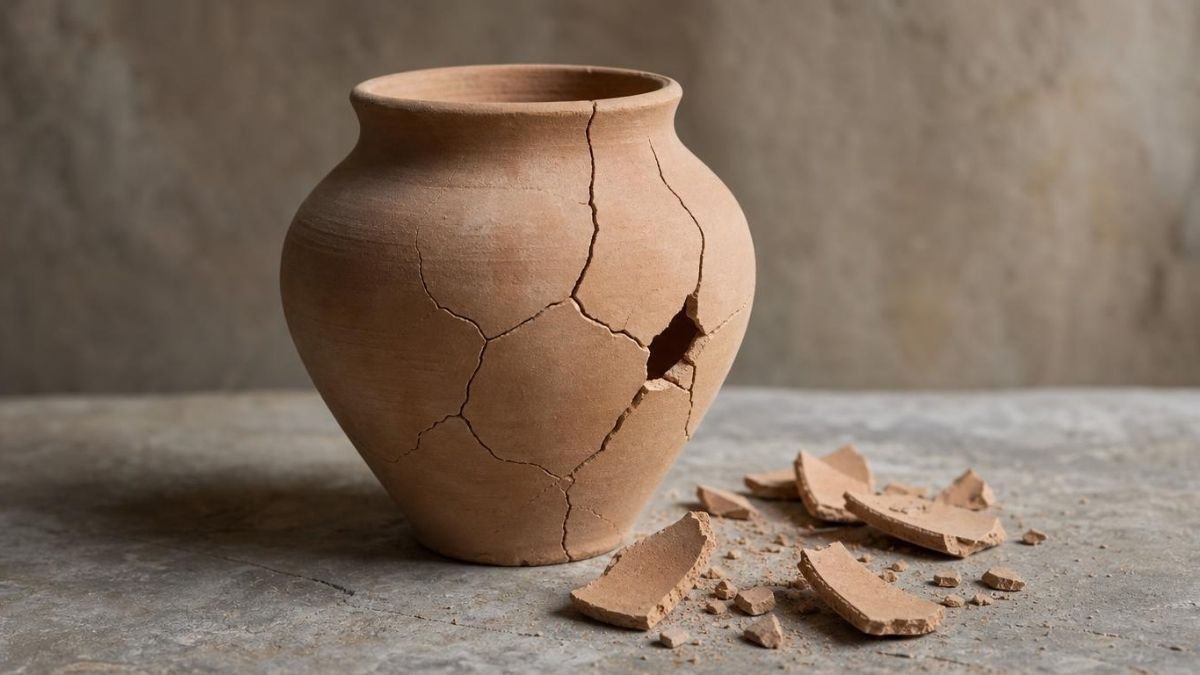
Is being fallible something you did, or something you are?
Because that distinction is the whole word, and I think most of us have been reading it the wrong way for our entire lives.
Fallible comes from Latin fallere — to deceive, to trip up, to cause to fall. And it carries that little suffix -ible, which appears all over English and always means the same thing: able to be, or capable of. Visible: able to be seen. Edible: able to be eaten. Fallible: able to fall.
So it isn't a verdict. It's a specification. It describes a capacity, not an event. Saying a person is fallible is like saying a glass is breakable — you're not reporting a break. You're describing the kind of thing it is.
And that's a considerable relief, if you let it land. Because the way we usually use the word, it's an admission with shame in it. I'm only fallible. Said apologetically, like a confession. But the word makes no claim about your conduct at all. It says: you are the sort of creature that can fall. Which every human being is, without exception, permanently, from birth, regardless of how careful they are.
Now, let's take the falling seriously, because fallere is a physical word before it's a moral one.
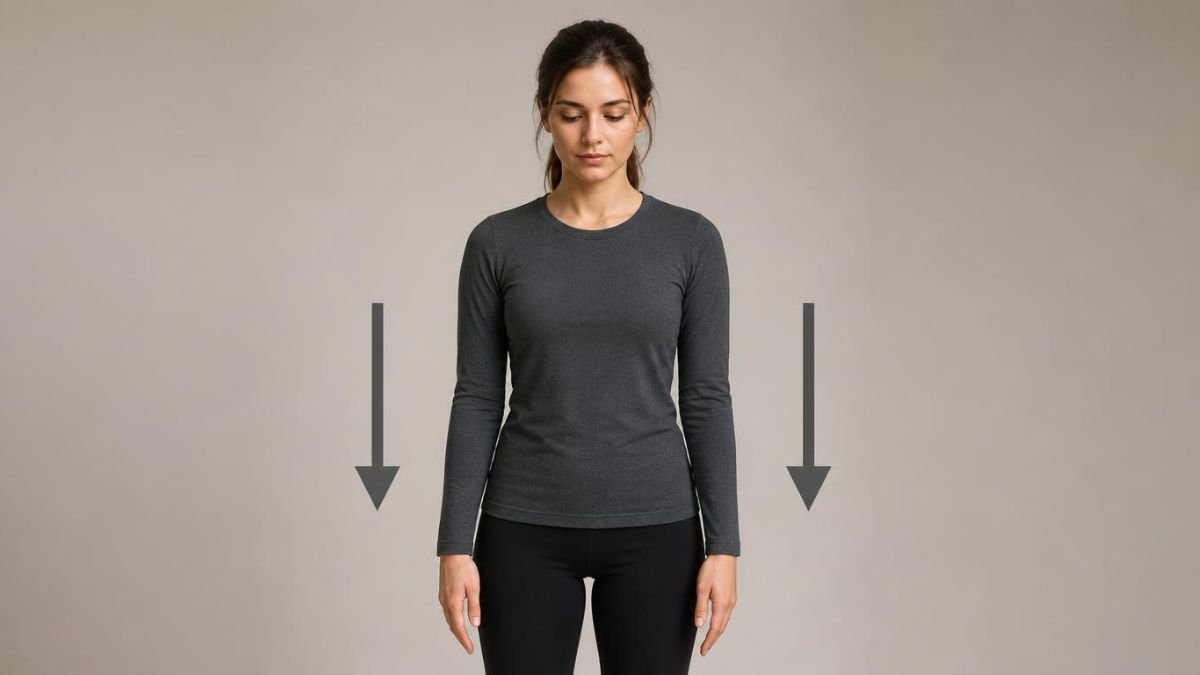
Who falls? Things that move. A stone lying on the ground cannot fall — it's already down, it has nowhere to go. Falling requires elevation, and elevation requires having climbed, and climbing requires motion. A creature that walks upright on two legs — which is a genuinely precarious arrangement, a tall column balanced on a small base, correcting itself continuously — is a creature that will fall. That's the trade. We got height and reach and speed, and the price is instability.
So fallibility isn't a flaw in the design. It's the cost of the design's advantages. You cannot build something that walks upright and also cannot fall. The two are the same fact seen from different sides.
And that maps onto thinking exactly. The human mind is fast, associative, pattern-hungry, capable of leaping to a conclusion from almost no evidence — which is why we can catch a meaning from half a sentence, recognize a face in a crowd, guess right about a stranger. And the identical machinery produces prejudice, false certainty, superstition, and the confident wrong answer. It's not two systems. It's one system, and its brilliance and its errors come out of the same slot.
Which means a mind that couldn't be wrong would also be a mind that couldn't leap. You'd be safe and stationary. You'd be a stone.
But here's where I want to press, because the word carries an obligation, and it's easy to miss.
If fallible is a specification, then it's information you're supposed to design around. And that's the difference between two very different people who both admit they're fallible.
The first says it as an excuse — after the fact, to close the conversation. Look, I'm only human. Which sounds like humility and functions as a wall. It uses the word to prevent examination rather than to invite it.
The second treats it as engineering data. If I'm the sort of thing that falls, then I should build my life the way you'd build for something that falls: handrails, second opinions, checklists, people permitted to tell me I'm wrong, systems that catch errors rather than a personality that promises not to make them. That's what fallibility actually asks of you. Not apology. Architecture.
And this is exactly why every serious field eventually stopped relying on excellent individuals and started building for error. Aviation. Surgery. Science itself, whose entire method is a machine for catching the mistakes of very intelligent people, on the assumption that they'll make them. Not because the practitioners are careless — because they're human, which is a synonym for fallible, which is the specification.
And there's a social version of this that matters more, I think, than the technical one.
If you're fallible, then everyone around you is too. Which means every judgment you hold about another person was produced by a fallible instrument reading incomplete data. That should introduce a permanent, healthy tremble into your certainty about other people — not paralysis, just the standing awareness that your read on someone is a reading, made by an apparatus with known error rates.
Almost every fracture I've watched between decent people had this at its core: two fallible readings, each held as fact.
And the last thing, which is where the word turns tender.
There's a strange intimacy in fallibility. It's the property that makes us recognizable to each other. Think about who you actually trust. It's almost never the person who appears never to have erred — those people are unnerving, and you're never quite sure what they'd do with your own failure. Trust attaches to people who have visibly fallen and told you about it. Because a person who has admitted a fall is a person who has a category for yours.
That's the practical mercy in this word. Perfection is isolating. It has nothing to offer anyone struggling except an unreachable standard. Fallibility is what makes company possible.
So the next time you hear that word and feel the small flinch of apology, notice what it's actually saying. Not you failed. It says: you are the kind of creature that stands upright, moves through unmapped territory, guesses from partial evidence, and can therefore go down. That's not the description of something broken. That's the description of something alive and in motion.
So here's what I'll leave you with. If falling is not a flaw in you but a specification of what you are, then the question was never how to stop. So think about it honestly: where in your life are you still relying on being careful enough not to fall — and what would you build instead if you finally accepted the specification and designed for it?





0 Comments