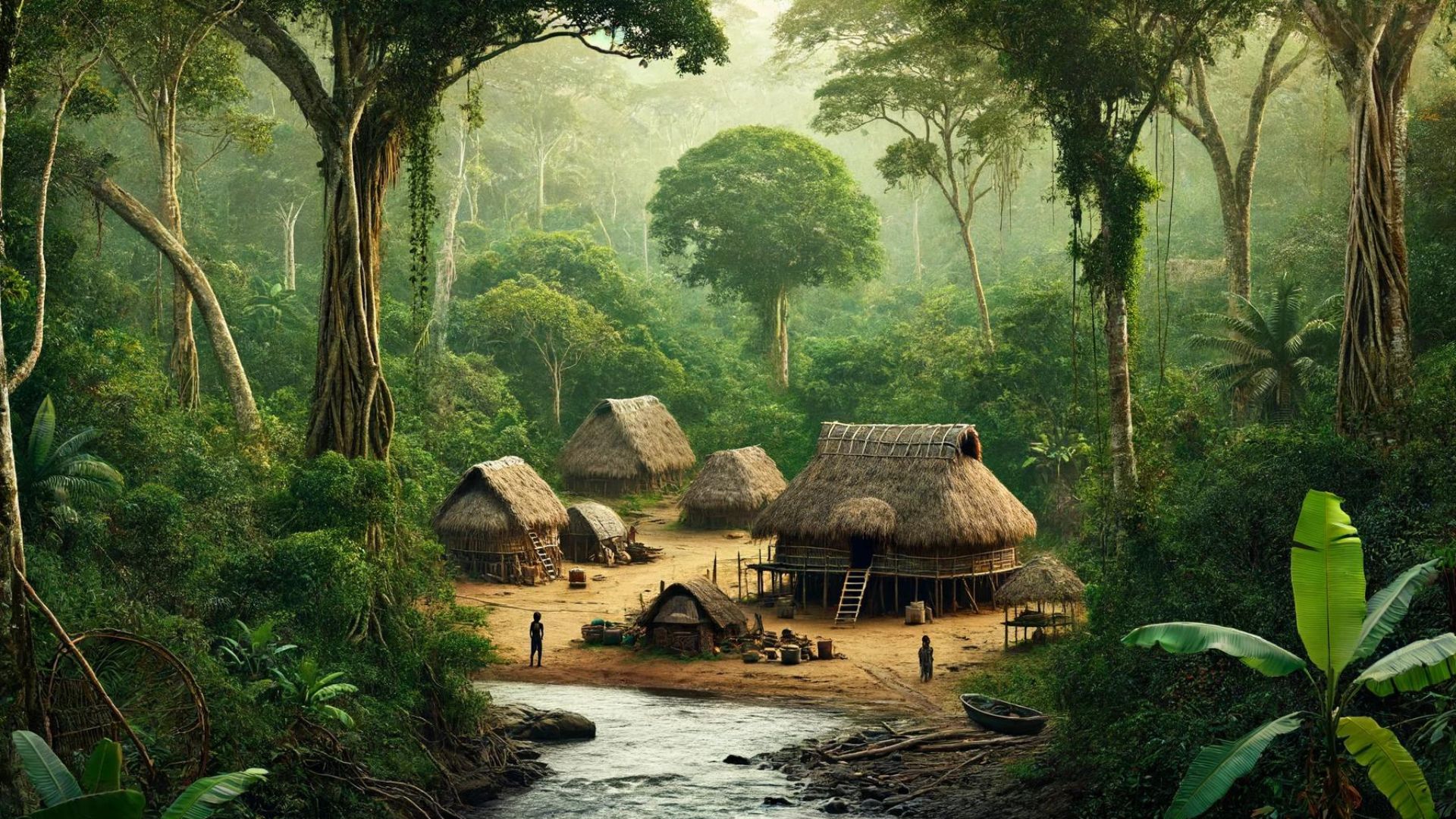
The Amazon Rainforest is one of the most biodiverse places on Earth, teeming with a wide variety of plant and animal life. Among its many secrets are the uncontacted tribes—groups of indigenous people who have no known contact with the outside world. These tribes are an intriguing subject of study in the field of ethnology, offering a unique glimpse into human culture and society untouched by modern civilization.
Who Are the Uncontacted Tribes?
Uncontacted tribes are indigenous peoples who live in isolation from global society. They maintain their traditional way of life, relying on the forest for their food, shelter, and medicine. It is estimated that there are about 100 uncontacted tribes worldwide, with many residing in the remote regions of the Amazon Rainforest, primarily in Brazil and Peru.
Why Do They Remain Isolated?
Several factors contribute to the isolation of these tribes:
- Geographical Barriers: The dense and vast expanse of the Amazon Rainforest makes it difficult for outsiders to reach these tribes. The terrain is challenging, with thick forests, rivers, and mountains acting as natural barriers.
- Cultural Preservation: Many tribes choose to remain isolated to preserve their cultural heritage and way of life. Contact with the outside world often brings diseases, exploitation, and disruption to their traditional practices.
- Historical Trauma: Previous encounters with outsiders have often led to violence, disease, and displacement. These negative experiences have made many tribes wary of contact with the outside world.
The Importance of Protecting Uncontacted Tribes
From an ethnological perspective, uncontacted tribes are invaluable. They offer insights into human diversity, cultural evolution, and the adaptation of societies to their environments. Protecting these tribes is crucial for several reasons:
- Cultural Heritage: Uncontacted tribes represent living cultures that have survived for thousands of years. Their languages, traditions, and knowledge systems are irreplaceable treasures of human heritage.
- Biodiversity: These tribes are often the best stewards of their environments, possessing intricate knowledge of the rainforest's ecosystem. Their sustainable practices help maintain the biodiversity of the Amazon.
- Human Rights: Uncontacted tribes have the right to live freely and peacefully in their ancestral lands without interference. Ensuring their protection is a matter of respecting their autonomy and human rights.
Challenges Faced by Uncontacted Tribes
Despite their isolation, uncontacted tribes face numerous threats:
- Deforestation: Illegal logging and agricultural expansion encroach on their territories, destroying the forest they depend on for survival.
- Disease: Contact with outsiders can introduce diseases to which these tribes have no immunity, leading to devastating outbreaks.
- Exploitation: There are instances of illegal mining, drug trafficking, and other exploitative activities that pose a danger to these tribes.
- Government Policies: While some governments have established protections for uncontacted tribes, enforcement can be lax, and policies may change with political shifts.
Ethnological Significance
Studying uncontacted tribes provides a rare opportunity to understand human societies in their most primal forms. Ethnologists study their languages, social structures, rituals, and interactions with the environment to gain insights into human history and cultural diversity. These studies can also inform modern sustainable practices and contribute to the broader understanding of humanity's place within nature.
Uncontacted tribes in the Amazon Rainforest are a testament to human resilience and cultural diversity. Protecting these tribes is essential not only for their survival but also for the preservation of human heritage and the biodiversity of the Amazon. Through the lens of ethnology, we can appreciate the profound significance of these isolated communities and advocate for their right to remain undisturbed in their ancestral homelands.
By understanding and respecting the isolation of these tribes, we contribute to the broader effort of preserving the rich tapestry of human culture and the natural world that sustains us all.









0 Comments