
In the realm of natural phenomena, few spectacles are as awe-inspiring and fearsome as a bolt of lightning cleaving the sky. It's a sight that instills a sense of raw, primal fear, and yet, is undeniably mesmerizing. A myriad of myths and misconceptions are intertwined with these transient, electrifying wonders. Among these tales, the belief that lightning never strikes the same place twice stands as a universal truism. Yet, like many such aphorisms, this one unravels under scientific scrutiny.
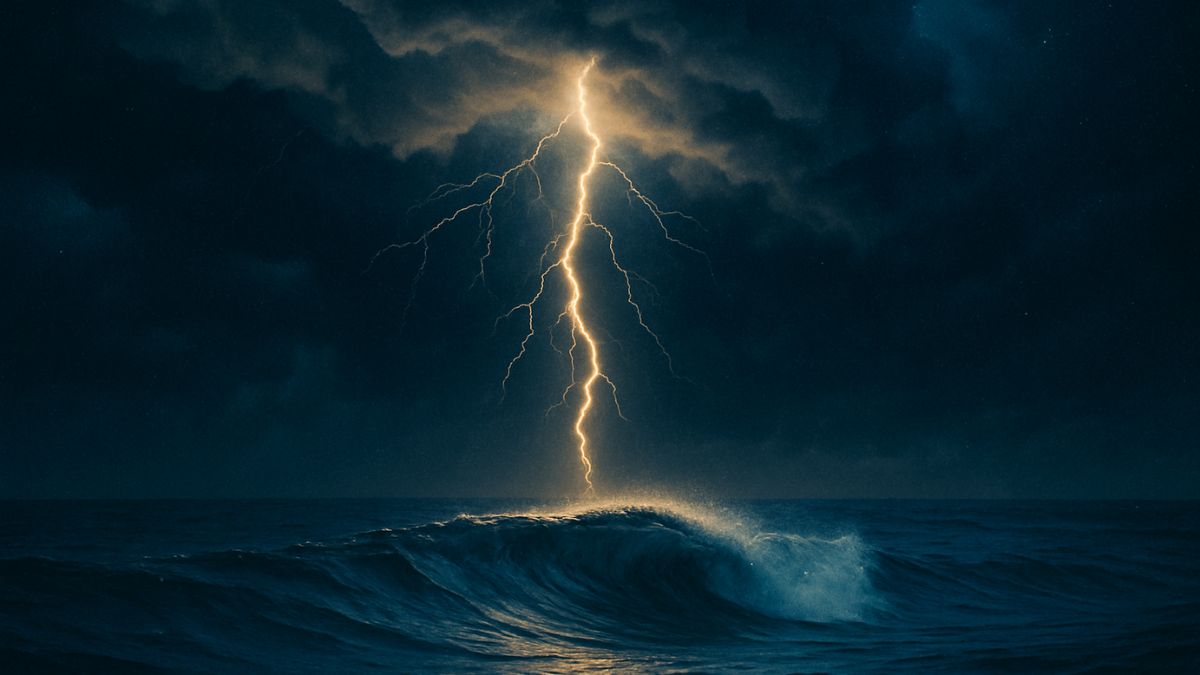
The tale begins amidst the tempest. A storm roils overhead, the sky an arena for the Gods' wrath, the canvas for their capricious power. Lightning slashes across the firmament, a brilliant dagger illuminating the world for a fleeting instant before plunging it back into darkness. And in that instant, the belief is born. The lightning has made its mark; it has claimed a victim, leaving behind a charred testament of its visitation. But would it ever return to that same spot? Common wisdom suggested it wouldn't.
This pervasive belief is more than a mere adage; it's an emblem of the human propensity for pattern recognition, for finding solace in predictability. It's the application of our innate need for order to the seemingly chaotic dance of nature. In the unpredictable world of lightning, where each strike appears random and unrepeatable, the notion that a location once struck is henceforth spared became a beacon of reassurance.
But lightning, like many natural phenomena, cares little for human comfort or predictability. The reality, stark and irrefutable, is that lightning can, and frequently does, strike the same place more than once. In fact, some places seem to draw lightning to them with a potent, electrifying allure.
The best-known example of such a location is the Empire State Building in New York City. Standing tall at 1,454 feet, including its antenna, this iconic skyscraper annually endures an average of 25 lightning strikes. Yet, each stormy assault leaves it unscathed, ready to face the next tempest. Its lofty height and metallic structure make it an ideal lightning rod, attracting electrical discharges with a frequency that shatters the adage into a thousand shards of misbelief.
Nature too offers its own retort to the myth. The Venezuelan lake of Catatumbo, known as the 'everlasting storm', witnesses an almost continuous light show with up to 280 lightning strikes per hour. This astonishing electrical spectacle, which occurs for up to 160 nights a year, regularly revisits the same locations around the lake.
The underlying science reveals why lightning is far from a one-time visitor. Lightning is an electrical discharge caused by imbalances between storm clouds and the ground, or within the clouds themselves. When these imbalances become too great, a giant spark occurs, equalizing the charged regions. These sparks can find their path through the path of least resistance, which often means following the same route as previous discharges. Therefore, objects or locations with certain characteristics, such as being tall, isolated, or highly conductive, are more likely to be struck by lightning not just once, but multiple times.
The myth's persistence in the face of scientific evidence could be attributed to a cognitive bias known as the "Gambler's Fallacy," the belief that past events can influence future probabilities in random sequences. Thus, the odds of lightning striking the same spot are perceived as less likely following an initial strike, much as a gambler believes a run of bad luck must eventually turn good. This, however, is a misunderstanding of the nature of independent events in probability theory.
In dispelling the myth of lightning never striking the same place twice, we also illuminate a more profound truth - nature, in all its wild, chaotic beauty, doesn't bow to our desire for predictability. It follows its laws, the intricate dance of physics, chemistry, and mathematics, unconcerned with human apprehensions or assumptions.
The truth about lightning reminds us to approach the world with a sense of humble curiosity, to question our assumptions, and to seek out evidence. It is a lesson in the importance of scientific literacy and critical thinking, of recognizing the patterns that exist, and discarding the ones that don't.
The belief that lightning never strikes the same place twice is a myth, a fascinating tale born from the womb of our pattern-seeking nature. But the truth of the matter, as is often the case, is far more electrifying. It's a testament to the sublime power of nature, to the intricate dance of electrical charges in our atmosphere, and to the enduring allure of scientific inquiry. In the end, perhaps there's a new saying in order: lightning, like the truth, can strike the same place more than once, always ready to enlighten those willing to see.








0 Comments