Explore the debate: Should we read a book on its own, or does an author’s biography add profound meaning? Discover how the lives of Tolkien, Woolf, and Baldwin shaped their timeless works.
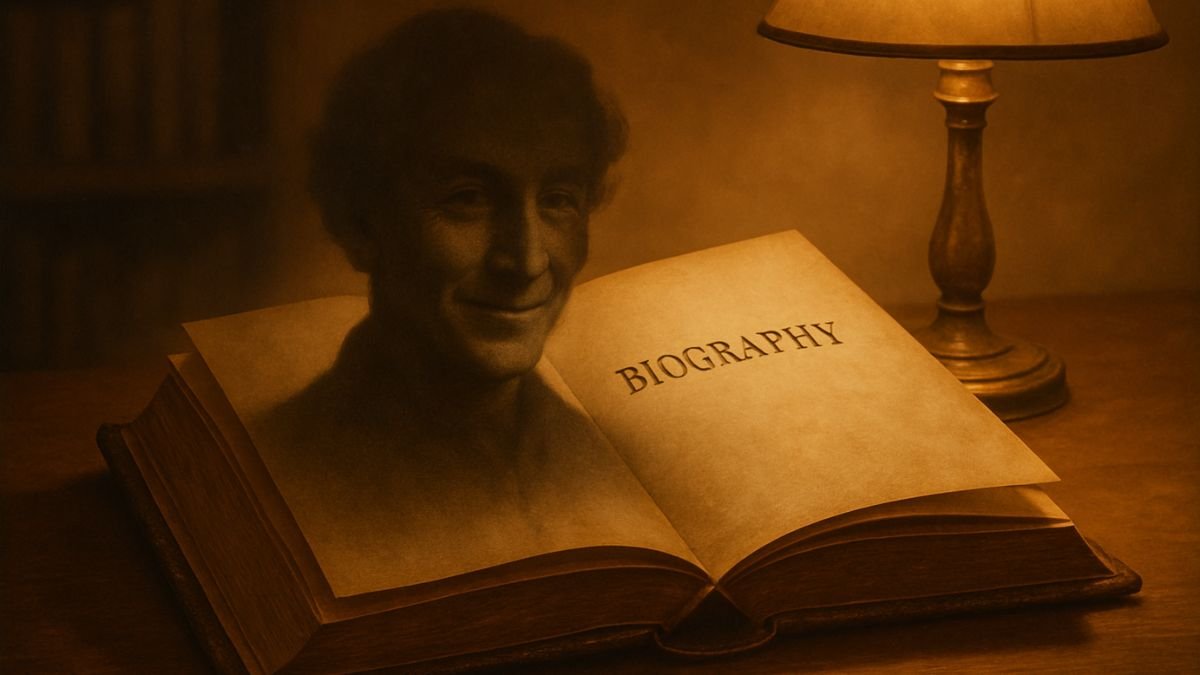
Explore the debate: Should we read a book on its own, or does an author’s biography add profound meaning? Discover how the lives of Tolkien, Woolf, and Baldwin shaped their timeless works.
A deep dive into the intersection of AI and literature. We explore if AI can be truly creative, the philosophical questions of authorship, and how AI might augment—not replace—human writers.
Challenge the traditional definition of literature. Explore the literary merits of graphic novels like Maus, prestige TV like The Sopranos, and cinematic video games like The Last of Us.
Discover the hidden science of reading. Learn how literary fiction enhances brain connectivity, boosts empathy (Theory of Mind), and sharpens your problem-solving skills. Get tips for a better brain.
Explore how literature acts as a powerful catalyst for social and political change. Discover case studies like “Uncle Tom’s Cabin” and “The Gulag Archipelago” that prove a single story can change the world.
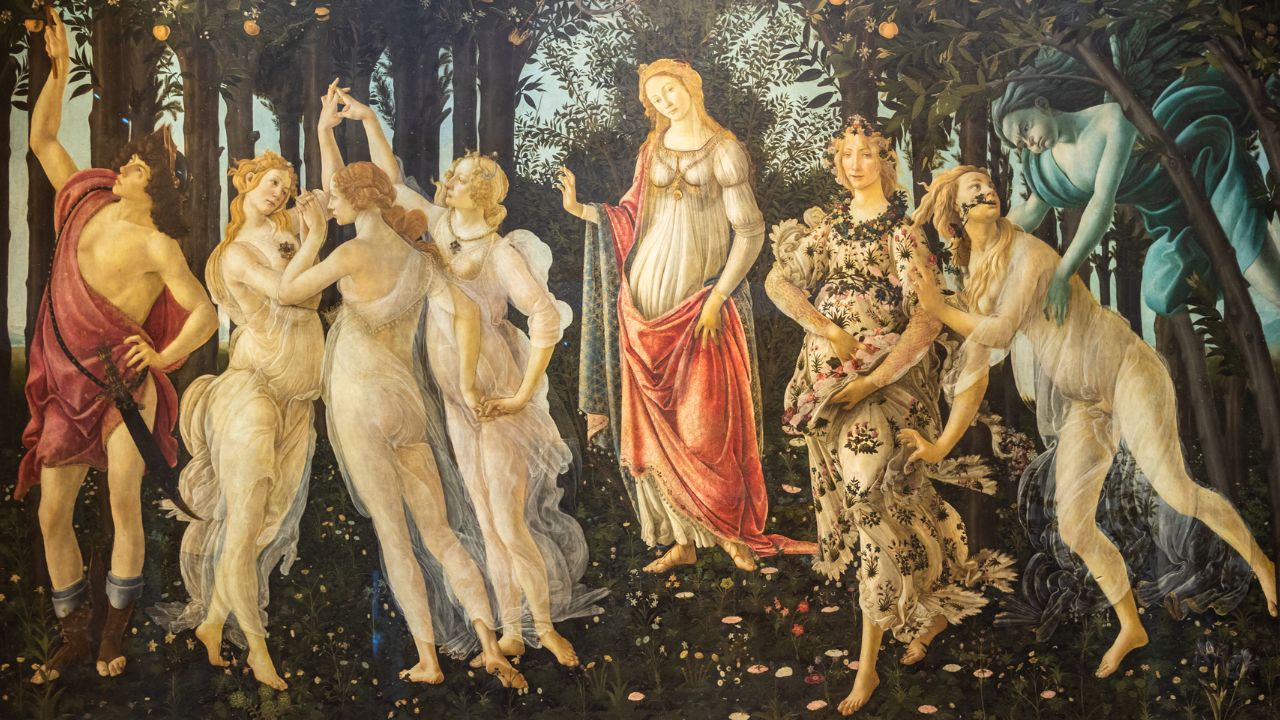
Dive into the transformative period of the Renaissance, a revolution that ushered in a new era in art, shifting from theocratic confines to a world enriched by human intellect, creativity, and emotion. Discover the profound impact and lasting legacy of this remarkable period.

Explore the power of unforgettable opening lines in literature, from promising adventure to portraying character complexity. Discover how these lines engage readers, set the tone, and leave a lasting impact.

Explore the profound impact of ancient epics such as Gilgamesh and The Iliad on the evolution of literature, uncovering their narrative structures, character development, and timeless themes that continue to resonate with modern readers.

Explore the life and achievements of Leonardo da Vinci, the great Renaissance artist, engineer, and inventor. Discover his legacy and impact on art, science, and technology.

Explore the life and work of Michelangelo, one of the greatest artists of the Renaissance. Discover his masterpieces, including the Pieta, David, and Sistine Chapel ceiling, and learn about his artistic vision, techniques, and legacy.
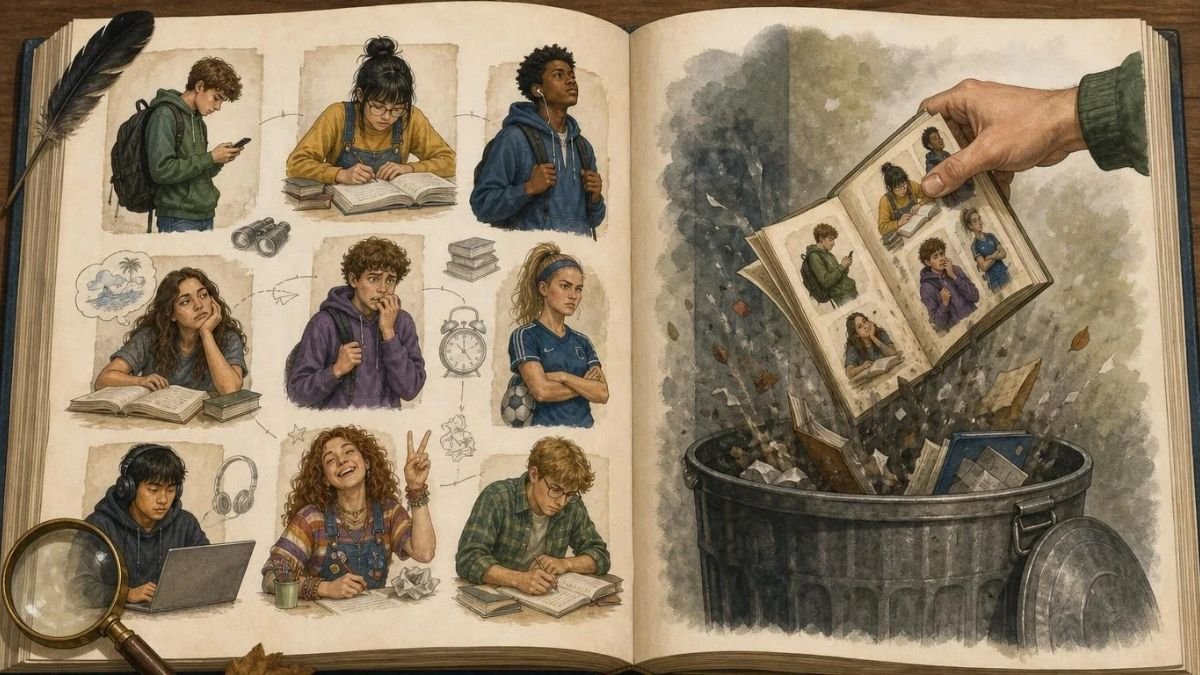
From the Stationery Enthusiast to the Negotiator, a funny field guide to back-to-school students, and how teachers and parents can keep motivation alive all year.
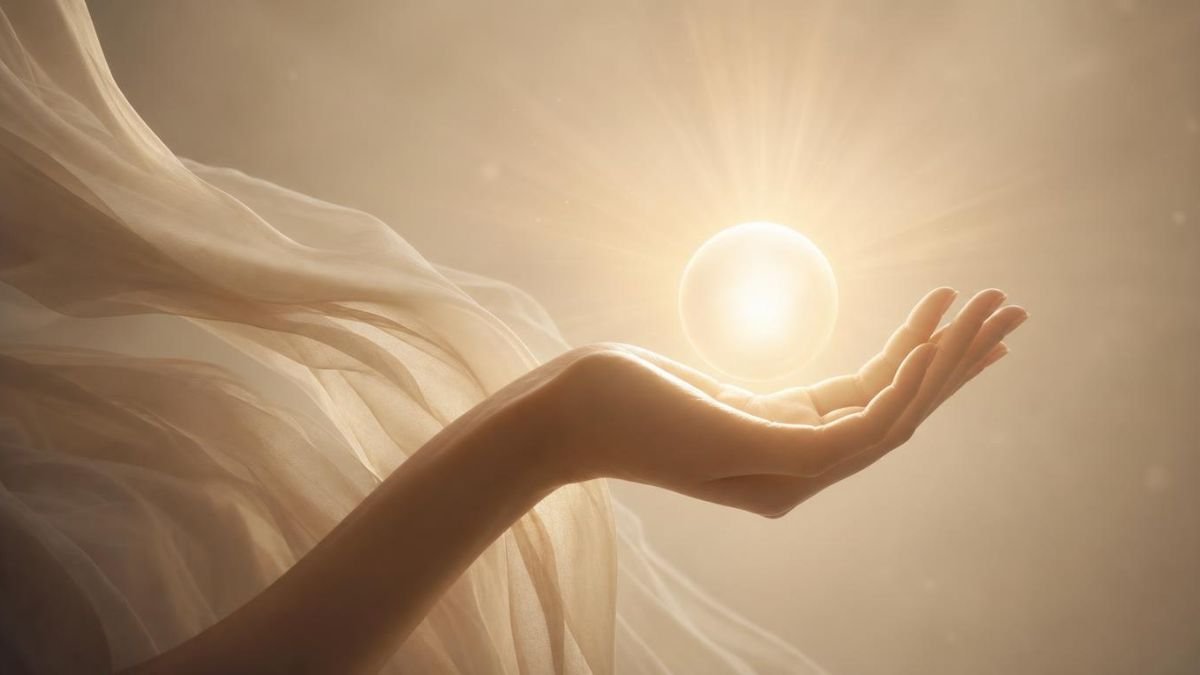
A poetic dive into the Spanish expression dar a luz, to give to light, and the surprising truth about what a child actually sees on the way out of the dark.

A poetic exploration of “a hard pill to swallow” — a phrase where the difficult thing is also the medicine, and everything depends on a few inches of throat.
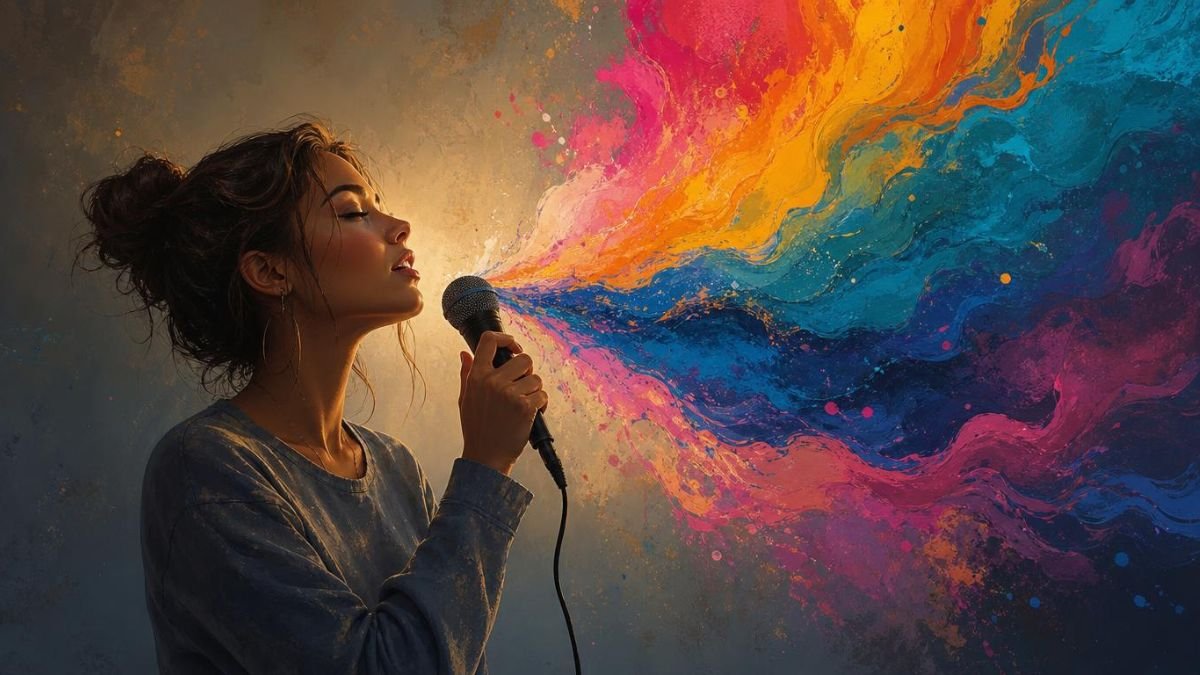
Everyone tells you to find your authentic voice, as if it were buried somewhere waiting. It isn’t. Voice is assembled from imitation, refusal, and repetition, and the people who have the strongest ones are usually the people who copied the most. Here’s how it actually works.
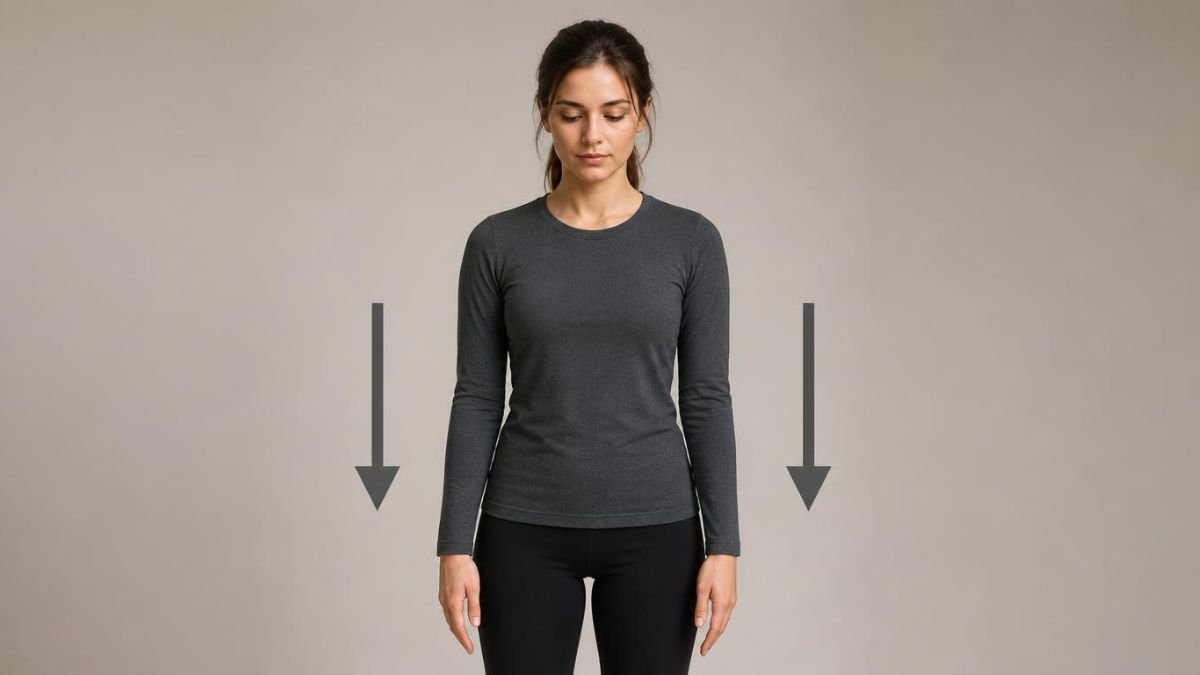
A poetic dive into the Russian expression опустить руки, to lower the arms, and what neuroscience discovered when it went back and checked its most famous experiment.
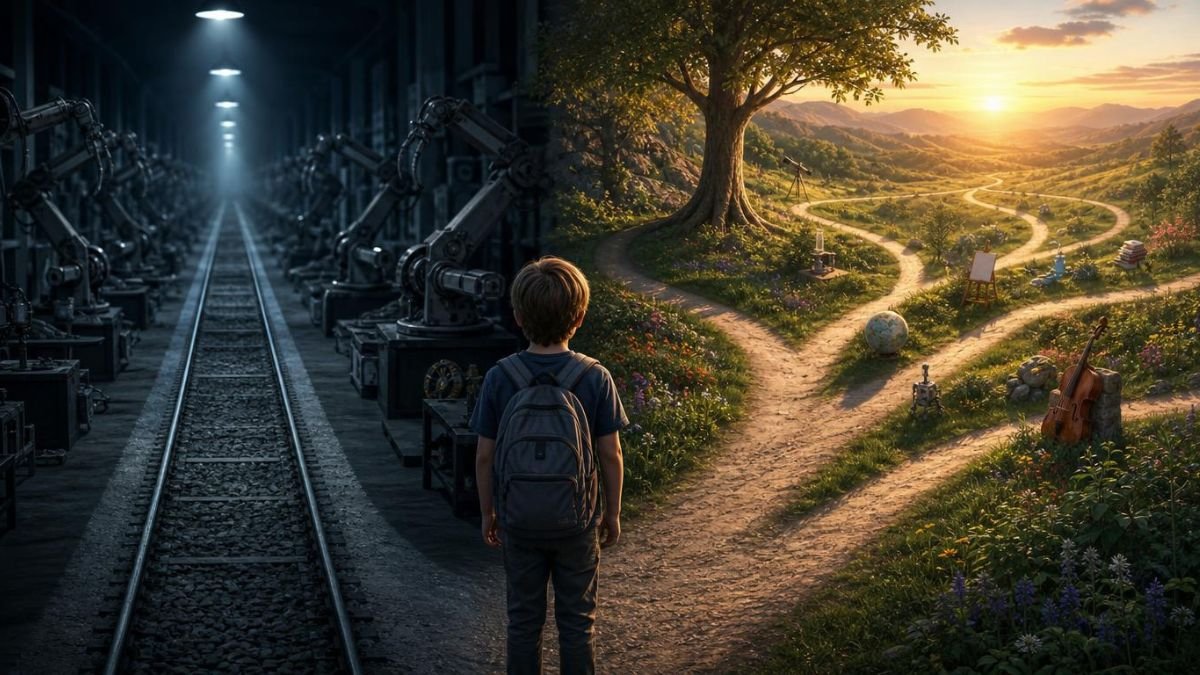
Our schools reward narrow expertise and treat broad curiosity as a lack of focus. But the evidence suggests the opposite: children who sample widely, connect ideas across fields, and resist premature specialization are the ones best equipped for a world that keeps rewriting the job description. Here is the case for range, the honest counterargument, and what to actually do about it.