Explore the timeless pattern of the Hero’s Journey in literature, from its origins to its relevance in contemporary storytelling. Understand the significance of this narrative structure, debunk myths, and test your knowledge with a quiz.


Explore the timeless pattern of the Hero’s Journey in literature, from its origins to its relevance in contemporary storytelling. Understand the significance of this narrative structure, debunk myths, and test your knowledge with a quiz.

Explore the captivating myth of Prometheus, the Titan who dared to steal fire from the gods and gifted it to humanity. Discover the profound impact of this act on civilization, the punishment inflicted by Zeus, and the enduring symbolism of Prometheus as a symbol of rebellion, knowledge, and human progress.
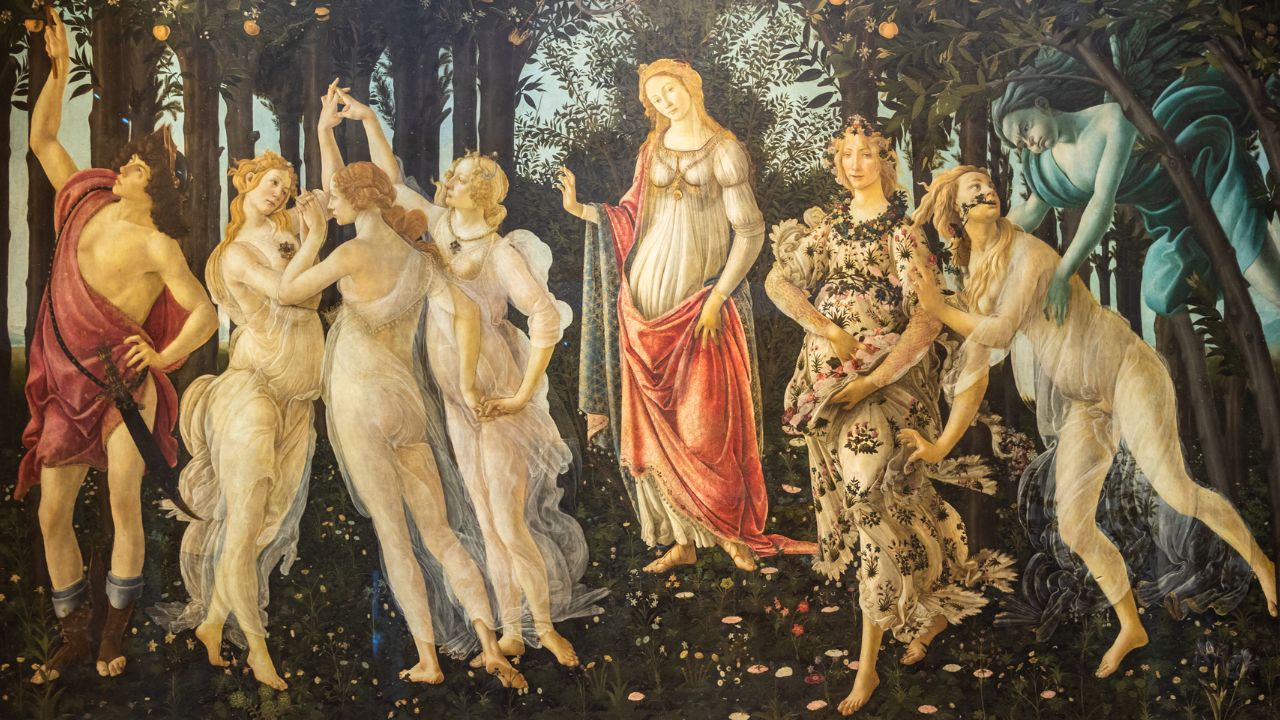
Dive into the transformative period of the Renaissance, a revolution that ushered in a new era in art, shifting from theocratic confines to a world enriched by human intellect, creativity, and emotion. Discover the profound impact and lasting legacy of this remarkable period.

Have you ever considered the question, How Does Literature Help Us Make Sense of the World?” Join D. H. Phoenix as he shares interesting insights on this question in this column.

Explore the power of descriptive language and storytelling techniques to captivate readers and create an immersive experience in your writing. Learn how to show, not tell, by engaging the senses, revealing inner thoughts, utilizing subtext, and incorporating symbolism and metaphor. Master the art of storytelling and engage readers on a deeper level.

Discover the brilliance of Ernest Hemingway’s writing style and explore the profound impact of his influential works. Uncover the secrets of his minimalist prose, the power of his dialogue, and the embodiment of the Hemingway Code Hero. From “The Old Man and the Sea” to “For Whom the Bell Tolls,” delve into the timeless themes and universal appeal that make Hemingway an immortal figure in the literary world.
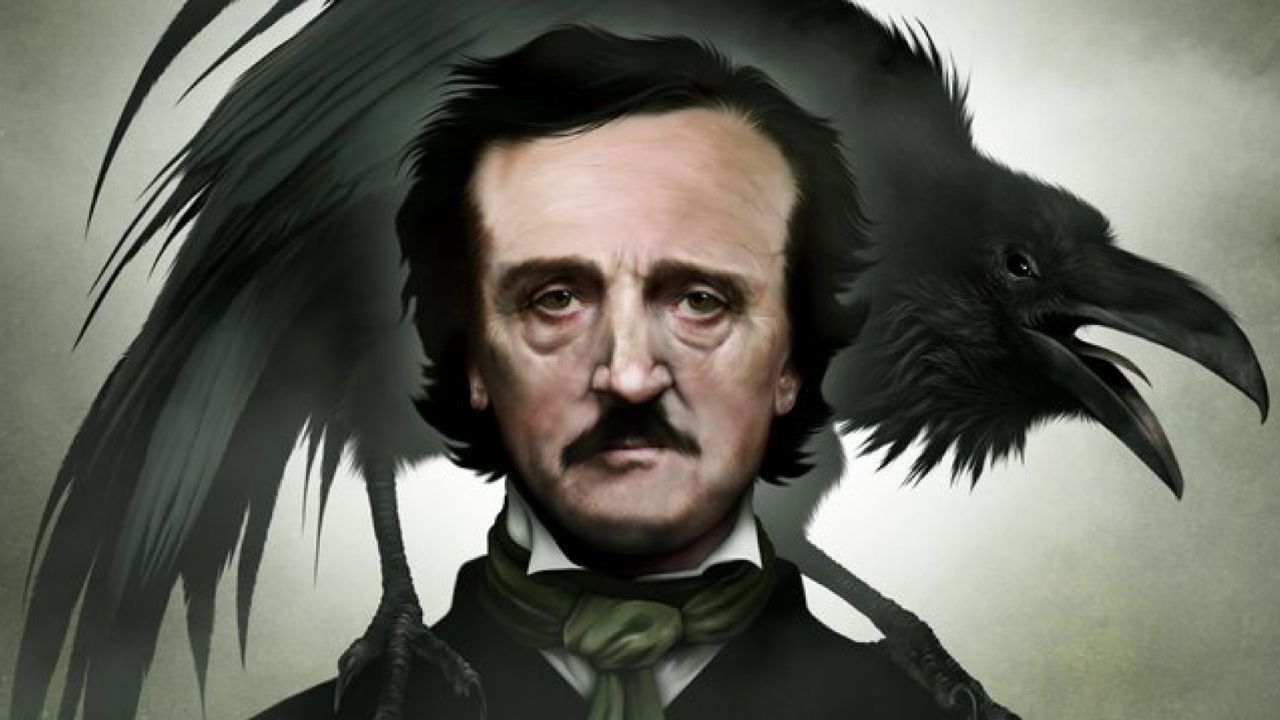
Explore the depths of the human psyche in Edgar Allan Poe’s timeless masterpiece, “The Tell-Tale Heart.” Uncover the haunting secrets behind this psychological thriller as we delve into Poe’s obsession, guilt, and the blurred line between sanity and insanity. Discover the enduring legacy of this dark tale and its influence on the genre of psychological thrillers.

Explore the diverse world of poetry through sonnets, haikus, free verse, epic poetry, and more. Learn about the unique characteristics, structures, and themes of each poetic form, and discover the transformative power of words.

Explore the power of unforgettable opening lines in literature, from promising adventure to portraying character complexity. Discover how these lines engage readers, set the tone, and leave a lasting impact.

Discover the profound and pervasive influence of Ancient Greek drama on Western literature. Explore its impact on structure, themes, characterization, and literary devices, shaping the narrative fabric of countless works throughout history.

Some people look at a life spent learning, writing, and thinking and see something to pity. Here’s a warm, honest defense of the quiet, curious life — and a look at why the pity says more about the person giving it than the one receiving it.

Contemporary means sharing the same time. But it carries something more interesting than a date stamp. In this episode, we explore what it means to be a person of your moment — and what you owe to the time you’re living in.

We carry things we don’t always name. Worry, responsibility, guilt, unresolved situations — they accumulate on the shoulders the way nothing visible accumulates anywhere. The moment that weight lifts is one of the most visceral experiences in human life. This episode explores the beautiful, embodied truth of one of English’s most honest expressions.

Imitation might be the sincerest form of flattery, but emulation is something deeper — it’s not just copying, it’s aspiring. In this episode, we explore the difference and ask: who are you emulating, and what does that say about who you want to become?

No one asks for a wake-up call. They come uninvited — a crisis, a diagnosis, a loss, a failure — and they deliver a message you weren’t ready to receive. But ‘a wake-up call’ is, in the end, an act of grace. This episode explores one of the most significant expressions in English, and why being woken up — however harshly — is almost always better than staying asleep.

Audacity is the word for the move that shouldn’t work but might — for the pitch that’s too big, the ask that’s too much, the step that everyone around you says is a step too far. In this episode, we celebrate the beautiful nerve of the audacious.