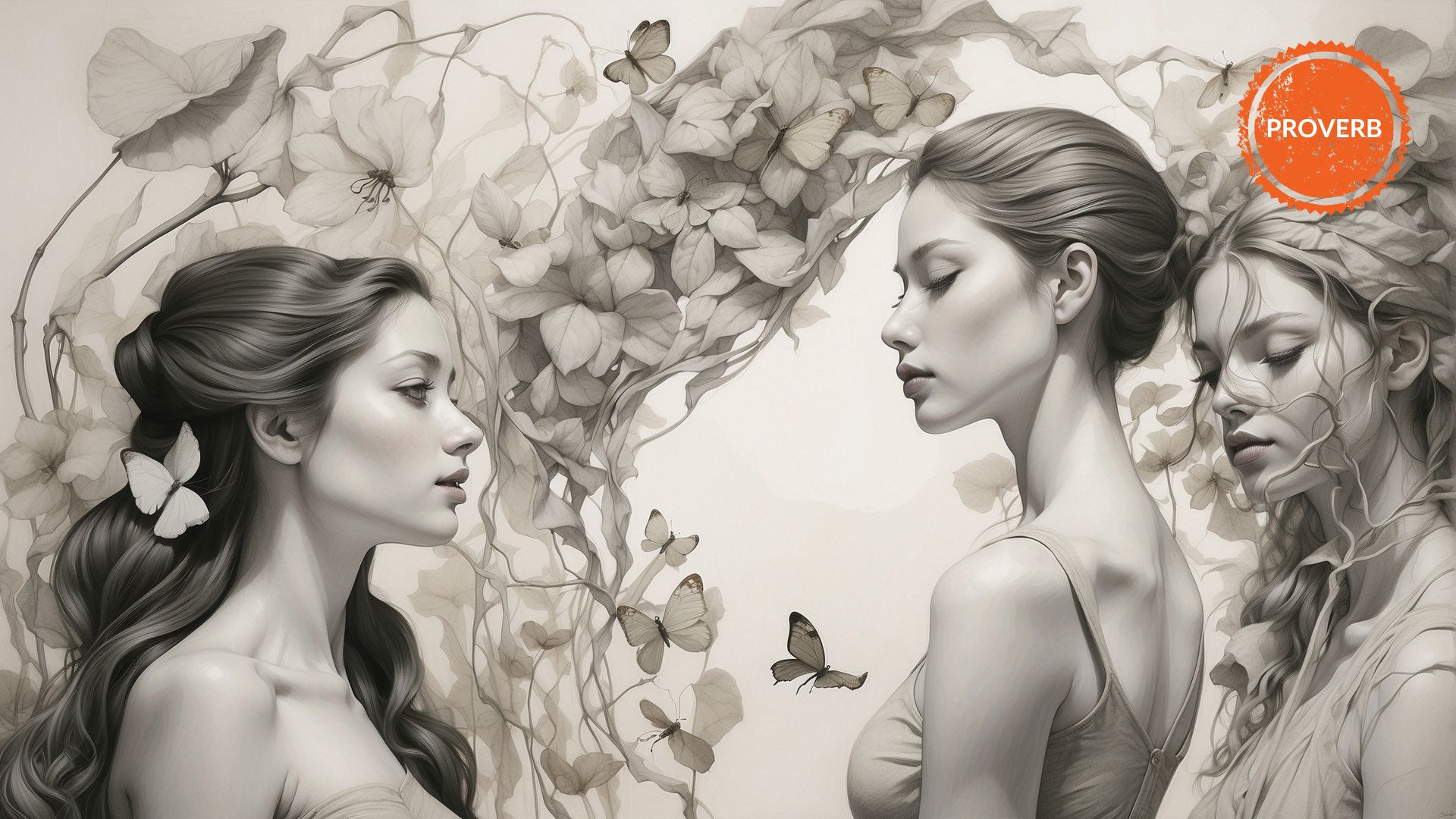
"Beauty is in the eye of the beholder."
Proverb
The Essence of the Proverb
"Beauty is in the eye of the beholder" is a proverb that speaks to the subjective nature of beauty. It suggests that what is considered beautiful varies from person to person, and what one individual finds attractive may not appeal to another. This saying underscores the idea that beauty is not an objective or universal concept but is influenced by individual perceptions and personal preferences.
Importance and Relevance in Everyday Life
This proverb holds significant relevance in our daily interactions and perceptions. It encourages an appreciation for diversity in tastes and preferences, reminding us to respect and acknowledge differing opinions on what is beautiful. In a broader sense, it advocates for tolerance and open-mindedness in matters of personal taste, whether it be in art, fashion, architecture, or nature.
Appropriate Contexts and Examples
- Art and Design: People often have varied opinions on what constitutes a beautiful piece of art or a well-designed building.
- Fashion and Style: Personal fashion choices that are attractive to some may not be to others, reflecting individual tastes.
- Cultural Perceptions: Different cultures have their own standards of beauty, which can vary dramatically from one to another.
Origin of the Proverb
The phrase "Beauty is in the eye of the beholder" is often attributed to Margaret Wolfe Hungerford, who used it in her 1878 book 'Molly Bawn.' However, the concept dates back much further. Philosophers like Plato and Socrates discussed the subjectivity of beauty, suggesting that beauty is a matter of perception and is shaped by personal and cultural viewpoints.









0 Comments